






Now Reading: Bank unions call four-day strike from September 11
-
01
Bank unions call four-day strike from September 11


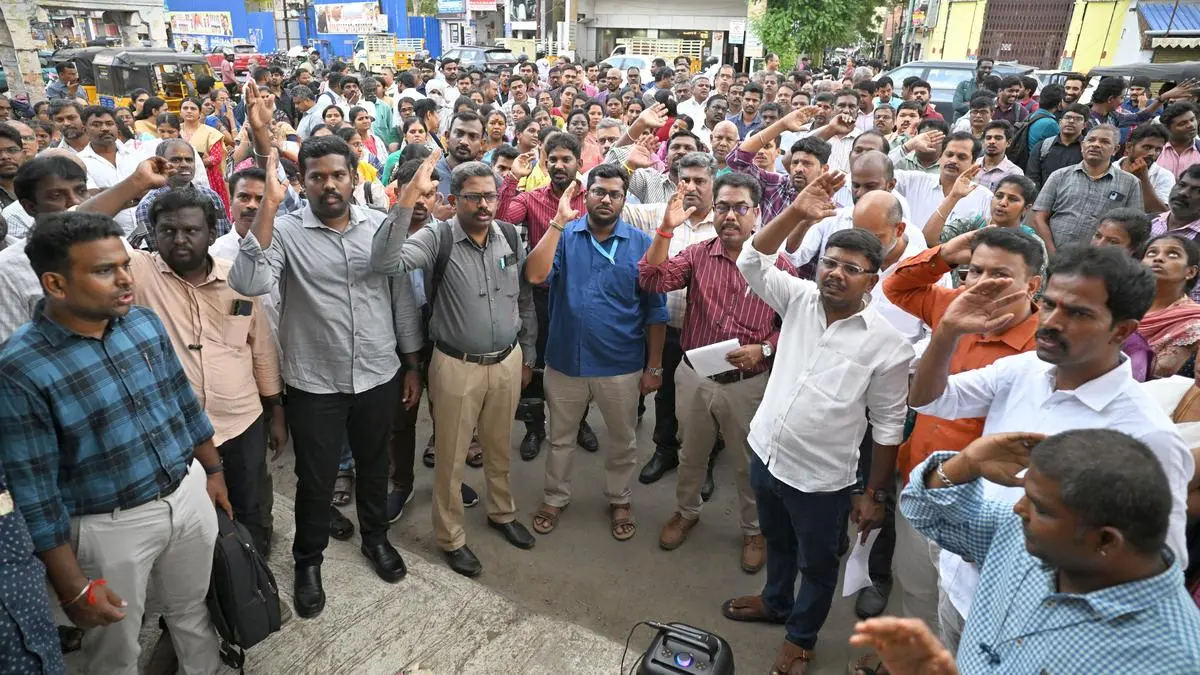
The United Forum of Bank Unions (UFBU) has called a nationwide strike on September 11, followed by a three-day strike from September 28, demanding a five-day banking week and withdrawal of the government's performance-linked incentive (PLI) scheme. The UFBU has also warned of an indefinite strike from October 26 if its demands are not met. The Hindu reports the government has had a 'negative attitude' towards key demands, including the five-day week proposal pending for over two years.
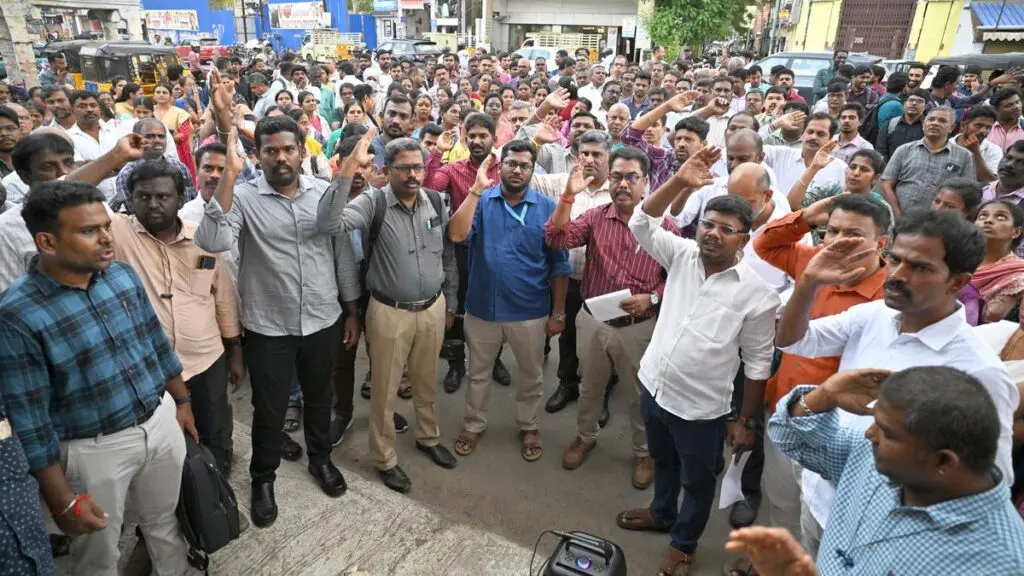
The PLI scheme is at the centre of the dispute. The UFBU argues it is discriminatory: officers in Scale IV and above can receive PLI of up to 365 days' basic pay based on individual performance, while workmen employees and officers up to Scale III get a maximum of 15 days' basic pay plus dearness allowance. The issue is under conciliation before the Chief Labour Commissioner and pending before the Delhi High Court.
The first strike on September 11 (Friday) will affect services from September 11 to 13, as the following two days are bank holidays. The three-day strike from September 28 will coincide with half-yearly closure, potentially disrupting operations for five consecutive days. ATM and digital banking may continue to function during the strike period.
Indian Opinion Analysis
The strike announcement gets near-identical coverage from both outlets, but the framing of the PLI dispute differs. The Hindu leads with the government's 'negative attitude', foregrounds the alleged violation of conciliation status quo, and reports the unions' claim that Scale IV officers could receive up to 365 days' basic pay while juniors get just 15 days. Economic Times takes the dispute as a matter of operational impact, citing the PLI simply as 'discriminatory' without detailing the pay disparity or the government's role. The Hindu's account implies a sharper political edge to the conflict, ET's is a logistics story. The material difference is whether the reader sees a rights struggle or a service disruption.
Coverage: 2 sources, 1 government-critical, 1 neutral
Sources (2): thehindu.com (government critical), hr.economictimes.indiatimes.com (neutral report)
This story was synthesised by AI from the 2 sources linked above. Methodology and corrections.
Updated: this story now draws on 2 sources.