












Now Reading: Bayer’s DirectAcres rice programme crosses 2 lakh acres in India
-
01
Bayer’s DirectAcres rice programme crosses 2 lakh acres in India


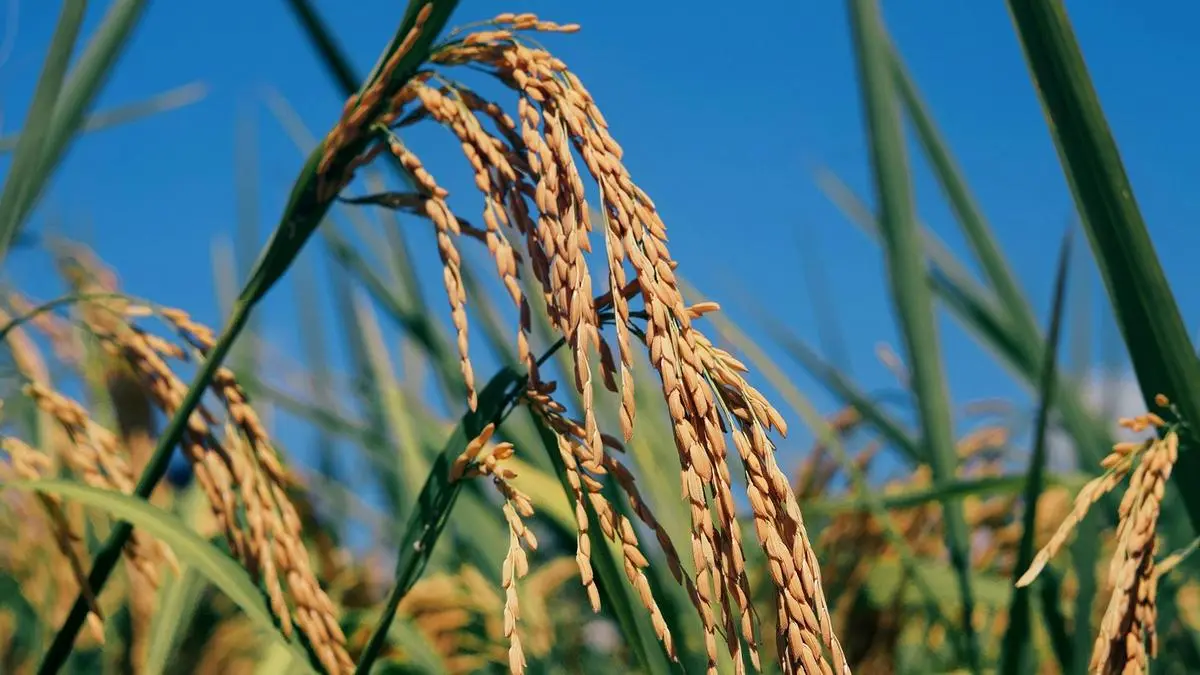
Bayer has expanded its DirectAcres direct seeded rice initiative to over 81,000 hectares (more than 2 lakh acres) in 2026, the company announced on Tuesday, 13 October. The programme, piloted in 2021, has grown from 3,500 hectares in 2023 to 46,000 hectares in 2025 and now 81,000 hectares across nine states including Punjab, Haryana, Uttar Pradesh and Madhya Pradesh.
Direct Seeded Rice (DSR) sows seeds directly into the field without transplanting. Bayer claims DSR can cut water use by 30 to 40%, greenhouse gas emissions by 45% and manual labour by 50% compared with conventional transplanting, though actual outcomes vary. The model connects farmers with mechanisation partners, digital advisory and public- and private-sector stakeholders to build the ecosystem needed for wider adoption. Simon Wiebusch, Bayer's Country Divisional Head for the Crop Science Division in India, said the milestone shows DSR can scale across diverse geographies. Bayer says it will continue expanding partnerships to scale the programme further.
Indian Opinion Analysis
Both outlets carry the same Bayer press release verbatim, producing uniform straight-reporting coverage that expresses no editorial stance. The story leads with the 81,000-hectare milestone and then presents Bayer's claims about DSR's water, emissions and labour savings. A reader trying to evaluate the initiative is given only the company's own figures and projections. No independent verification, farmer testimony, agronomist comment or cost-benefit data from a non-Bayer source appears. The uniform coverage means the two outlets differ on nothing, leaving the reader with a single corporate account. Bayer says it will continue expanding its partnerships to scale the programme.
Coverage: 2 sources, 2 neutral
Sources (2): thehindubusinessline.com (neutral report), economictimes.indiatimes.com (neutral report)
This brief was synthesised by AI from the 2 sources linked above, so one read covers every framing they carry. Methodology and corrections.