


















Now Reading: Illegal GM cotton covers up to 30% of India’s acreage: study
-
01
Illegal GM cotton covers up to 30% of India’s acreage: study


The Story in Brief
Illegal herbicide-tolerant Bt (HTBt) cotton covered 65 to 72 lakh acres during the 2025-26 Kharif season, or 24 to 30% of India's total cotton area, according to a field study by the South Asia Biotechnology Centre (SABC) with support from seed industry bodies FSII and NSAI. The study, covering 16 districts across Maharashtra, Telangana, Andhra Pradesh and Rajasthan, found 98.2% of field samples carried at least one unapproved GM trait and that an informal seed market worth an estimated Rs 1,500 crore now supplies 1.25 crore seed packets.
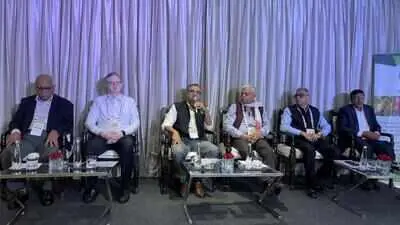
High manual weeding costs of Rs 12,000 to 15,000 per acre, compared to Rs 750 to 850 using glyphosate, and labour shortages are driving the shift. Glyphosate use rose 26% year-on-year to 35,642 kilolitres in 2025-26. On 7 October, FSII and NSAI demanded the government fast-track approval for commercial cultivation. FSII Chairman Ajai Rana said Mahyco applied for approval in 2024, adding that regulatory delay has created the black market. India's cotton production stands at around 29 million bales.
Update, 9 October 2026: Hindustan Times now also reports the study and the seed body demands, confirming the 24 to 30% acreage figure, the Rs 820 to 880 crore informal seed market estimate, and the 22.3% decline in legal Bollgard-II seed sales. It adds government data showing cotton output fell from 35.2 million bales in 2020-21 to 29.1 million bales in 2025-26 and a Rs 5,659-crore Mission for Cotton Productivity approved to address the decline.
Indian Opinion Analysis
All five sources report the same study by the South Asia Biotechnology Centre (SABC) and the same demands by seed industry bodies FSII and NSAI, creating uniform coverage with no substantive framing differences. Each outlet leads with the study finding that illegal HTBt cotton covers 24 to 30% of India’s cotton area, and each quotes FSII Chairman Ajai Rana arguing farmers are driven by labour shortages and regulatory delay. The Indian Express and newindianexpress.com provide greater technical detail on the unapproved genes (cp4-epsps and Vip3A) and their presence in field samples, while Hindustan Times adds government data on falling cotton output and the Rs 5,659-crore Mission for Cotton Productivity. Business Standard and Times of India stick closely to the seed bodies’ press conference. None offers a critical framing: the study’s warnings about resistance risk are carried but not foregrounded.
Coverage: 5 sources, 5 neutral
Sources (5): newindianexpress.com (neutral report), business-standard.com (neutral report), timesofindia.indiatimes.com (neutral report), indianexpress.com (neutral report), hindustantimes.com (neutral report)
This brief was synthesised by AI from the 5 sources linked above, so one read covers every framing they carry. Methodology and corrections.