










Now Reading: Bengal doctors treat thalassaemia, brain cancer with advanced therapies
-
01
Bengal doctors treat thalassaemia, brain cancer with advanced therapies

Bengal doctors treat thalassaemia, brain cancer with advanced therapies

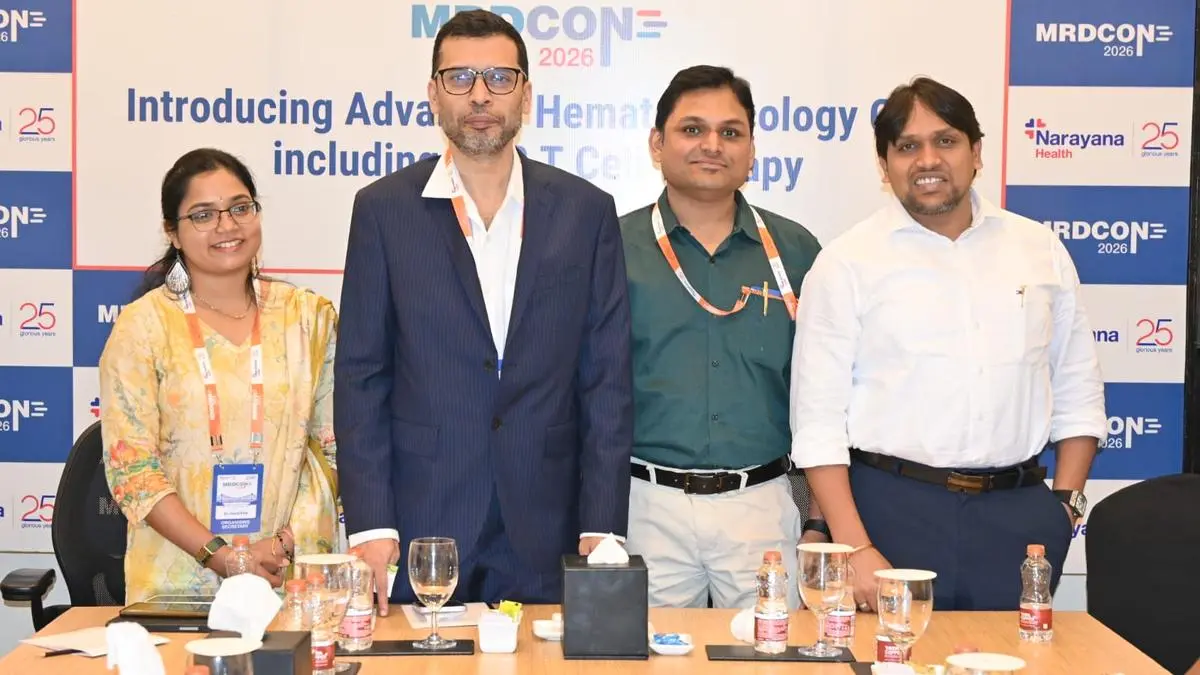
Doctors at Narayana Health in West Bengal have treated a seven-year-old boy with HbE Beta thalassemia using a haplo-cord transplant, making him transfusion-free. The child’s parents underwent IVF and genetic testing under the ‘Save the Sibling’ programme to produce a matched thalassemia-free sibling whose cord blood was used, along with stem cells from the father. The child developed complications during transplant but recovered fully.

In a separate case, a 62-year-old man from Myanmar with primary CNS lymphoma, a rare brain cancer, was successfully treated with CAR T-cell therapy after high-dose chemotherapy failed. He received a dual CAR targeting CD19 and CD22. Both patients are now recovering well, according to senior consultant Joydeep Chakrabartty, who called the outcomes landmark achievements.
Prasanta Chowdhury, laboratory director at Cord Life Sciences, noted that cord blood banking involves complex medical and ethical debates, but both cases were handled with clarity and compassion.
Indian Opinion Analysis
Thalassemia is a genetic blood disorder requiring lifelong transfusions in severe cases. The haplo-cord technique, combining a half-matched donor with cord blood, is a relatively new approach that reduces graft rejection risk when a fully matched donor is unavailable. CAR T-cell therapy, while approved for blood cancers, is rarely used for primary CNS lymphoma. The success in these cases could encourage wider adoption in India, where both therapies remain costly and limited to select centres. Narayana Health is among the few Indian hospitals offering both procedures. The next milestone will be long-term follow-up data on relapse-free survival for these patients.
Source: thehindu.com
This story was synthesised by AI from the source linked above. Methodology and corrections.