














Now Reading: Valve-sparing aortic root surgery yields 86% 10-year survival: study
-
01
Valve-sparing aortic root surgery yields 86% 10-year survival: study

Valve-sparing aortic root surgery yields 86% 10-year survival: study

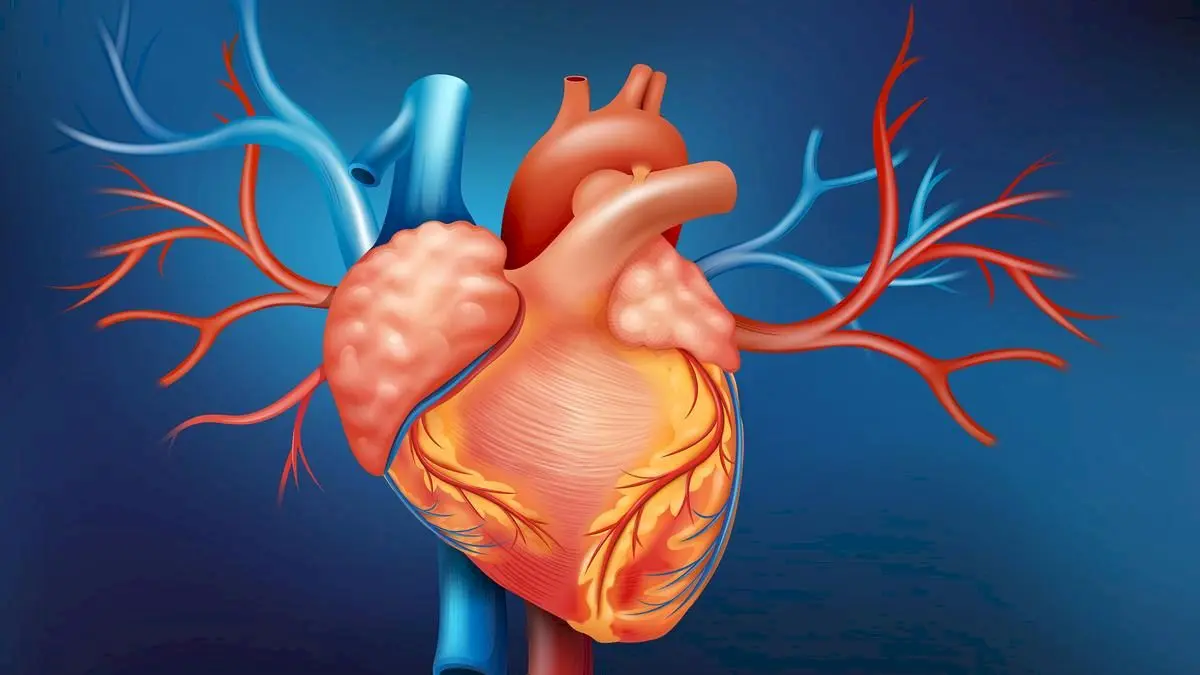
A study of 91 patients at Narayana Health, Bengaluru, found that valve-sparing root replacement (VSRR) for an enlarged aorta achieved an 86% survival rate at ten years. The procedure avoids artificial valves,…
The Story in Brief
A study of 91 patients at Narayana Health, Bengaluru, found that valve-sparing root replacement (VSRR) for an enlarged aorta achieved an 86% survival rate at ten years. The procedure avoids artificial valves, sparing patients lifelong blood-thinning drugs. Published in the Indian Journal of Thoracic and Cardiovascular Surgery, the study included patients with an average age of 38.5 years. Over 90% had an aortic aneurysm, and one-fourth had connective tissue disorders like Marfan syndrome. Thirty-day mortality was 3.2%, and at five years 77% had no significant valve leakage. Lead author Varun Shetty said the technique is especially beneficial for younger patients and women planning pregnancy, as it avoids warfarin. However, the surgery is technically demanding and requires experienced centres. The authors called for larger studies and more training to expand access in India.
The Indian Opinion
The study is being celebrated as proof that Indian surgeons can match global benchmarks, but a single-centre review of 91 patients is too small to rewrite surgical protocols. The narrative that valve-sparing surgery should now be offered to every patient overlooks its technical demands and the lack of trained teams outside a few cities. The real test will come when more centres across India report comparable outcomes.
Source: thehindu.com
This story was synthesised by AI from the source linked above.