





Now Reading: Bengaluru hospital deploys Karnataka’s first MR-guided radiation system
-
01
Bengaluru hospital deploys Karnataka’s first MR-guided radiation system

Bengaluru hospital deploys Karnataka’s first MR-guided radiation system

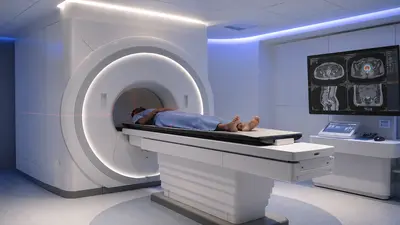
Bengaluru's HealthCare Global Enterprises (HCG) has started treating patients with Karnataka's first Elekta Unity MR-Linac, a machine that combines a 1.5-tesla MRI scanner with a linear accelerator. The system lets doctors image the tumour and nearby organs during treatment and, when needed, reshape the radiation plan to match the day's anatomy. HCG announced the installation on August 18, 2026.
The first patient treated was a 74-year-old man with high-risk, localised prostate cancer. He completed a five-week course of hypofractionated radiotherapy without interruption, with the care team using MR guidance to adapt the plan. The technology is supported by peer-reviewed research including a 2025 systematic review that found lower urinary and gastrointestinal toxicities in MR-guided prostate radiotherapy compared with CT-guided treatment.
MR-Linac is not suitable for every cancer case. Eligibility depends on the tumour site, anatomy, and clinical judgement. The machine is particularly useful for moving targets such as the prostate, where bladder and rectum positions can shift between sessions.
Indian Opinion Analysis
The Elekta Unity belongs to a generation of hybrid machines that marry real-time imaging with radiation delivery, a field sometimes called theranostics. Until now, such systems were concentrated in a few private super-specialty hospitals in Mumbai and Delhi, this is the first in Karnataka. The technology's chief advantage is for sites like the prostate, pancreas, and liver, where organ motion is high. India's radiotherapy density remains low, roughly one machine per 10 lakh people against the WHO norm of one per six lakh, so the HCG installation is not a national rollout. The real metric to watch is how many cases HCG treats on it per month and whether reimbursement from insurance and Ayushman Bharat follows, which decides if such machines become scalable beyond the top five cities.
Source: timesofindia.indiatimes.com
This story was synthesised by AI from the source linked above. Methodology and corrections.