



















Now Reading: Indian scientists develop smart cancer drug RK-251 that targets only tumour cells
-
01
Indian scientists develop smart cancer drug RK-251 that targets only tumour cells

Indian scientists develop smart cancer drug RK-251 that targets only tumour cells

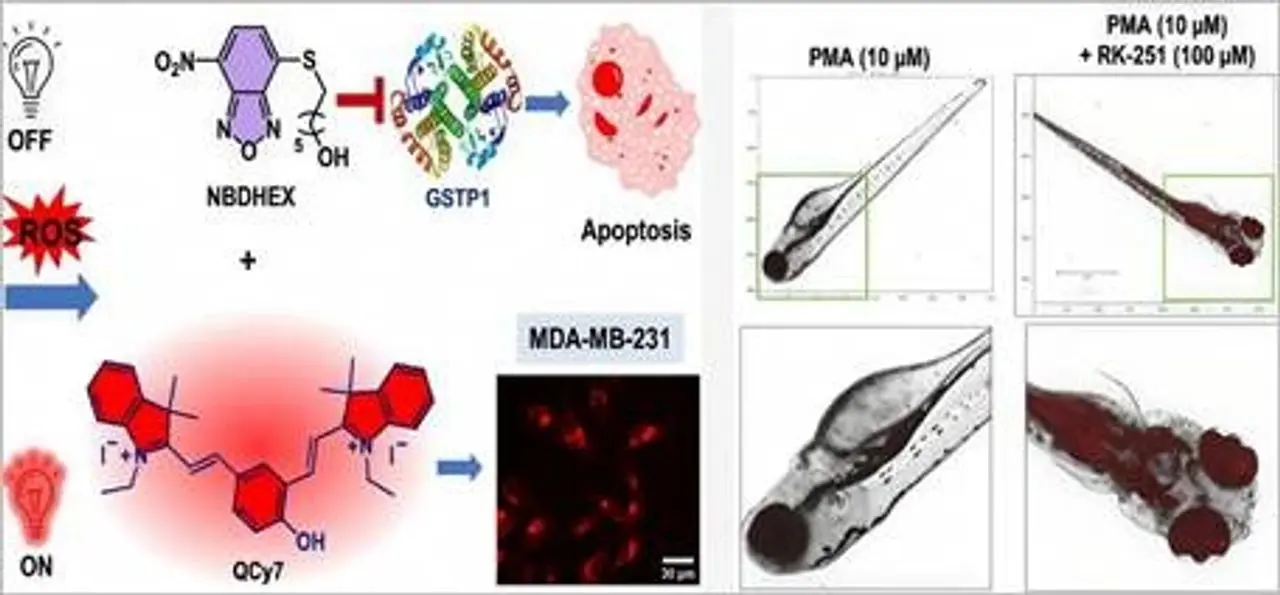
Indian researchers have developed an experimental cancer drug, RK-251, that activates only inside cancer cells, potentially replacing traditional chemotherapy that harms healthy cells. The drug is designed to remain inactive in normal tissues and release its anticancer compound, NBDHEX, when it encounters high levels of reactive oxygen species (ROS) commonly found in tumour cells.
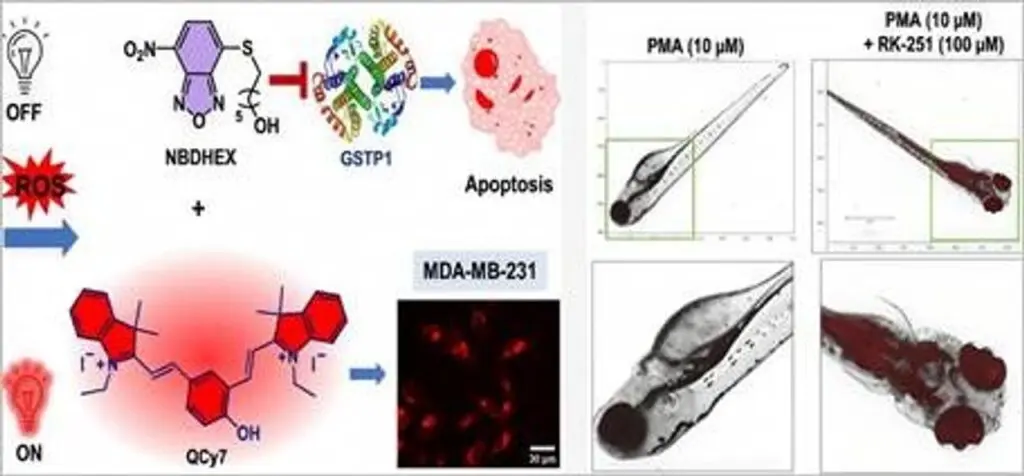
The collaborative research led by Dr. Asis Bala of the Institute of Advanced Study in Science and Technology (IASST) and Dr. K.P. Bhabak of the Indian Institute of Technology Guwahati has been published in the Journal of Medicinal Chemistry. In preclinical studies, RK-251 showed strong activity against aggressive triple-negative breast cancer cells with minimal effect on healthy cells. Tests in zebrafish embryos showed no obvious toxicity and confirmed the drug's ROS-responsive activation.
Both greaterkashmir.com and Times Now report that the Department of Science and Technology has described RK-251 as having potential to replace chemotherapy. However, Times Now stresses that RK-251 is still an experimental candidate, with evidence only from laboratory and preclinical models, and has not been tested in human clinical trials. More studies are needed before the drug can be used in patients.
Indian Opinion Analysis
Greater Kashmir leads with the drug's potential to replace chemotherapy, echoing the government science department's framing, while Times Now emphasises the gap between early-stage promise and clinical reality, repeatedly stating RK-251 is not a proven treatment. The measured middle ground: RK-251 is a genuine scientific advance published in a peer-reviewed journal, but replacing chemotherapy requires years of clinical trials still ahead. Readers should watch for human trial announcements, which are the next concrete milestone for this drug candidate.
Coverage: 2 sources, 1 pro-government, 1 neutral
Sources (2): greaterkashmir.com (pro government), timesnownews.com (neutral report)
This story was synthesised by AI from the 2 sources linked above. Methodology and corrections.
Updated: this story now draws on 2 sources.