







Now Reading: Bhubaneswar doctors save 29-year-old from deadly aortic emergency
-
01
Bhubaneswar doctors save 29-year-old from deadly aortic emergency

Bhubaneswar doctors save 29-year-old from deadly aortic emergency

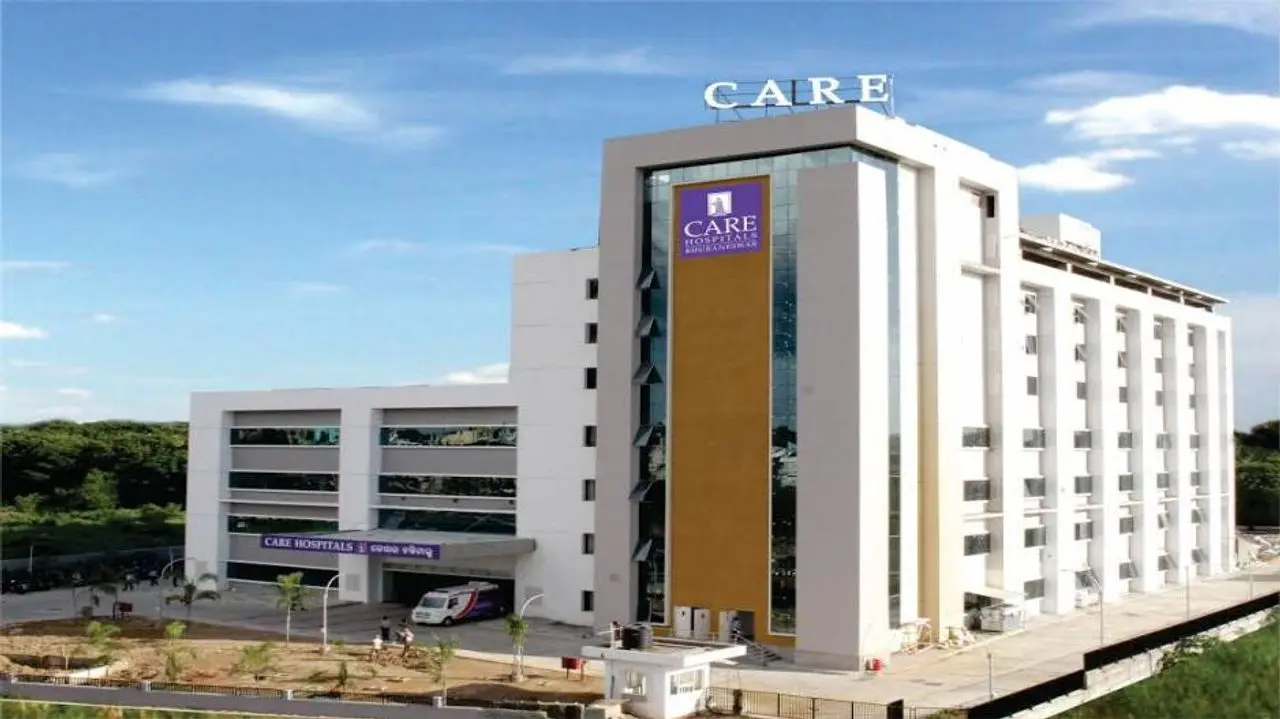
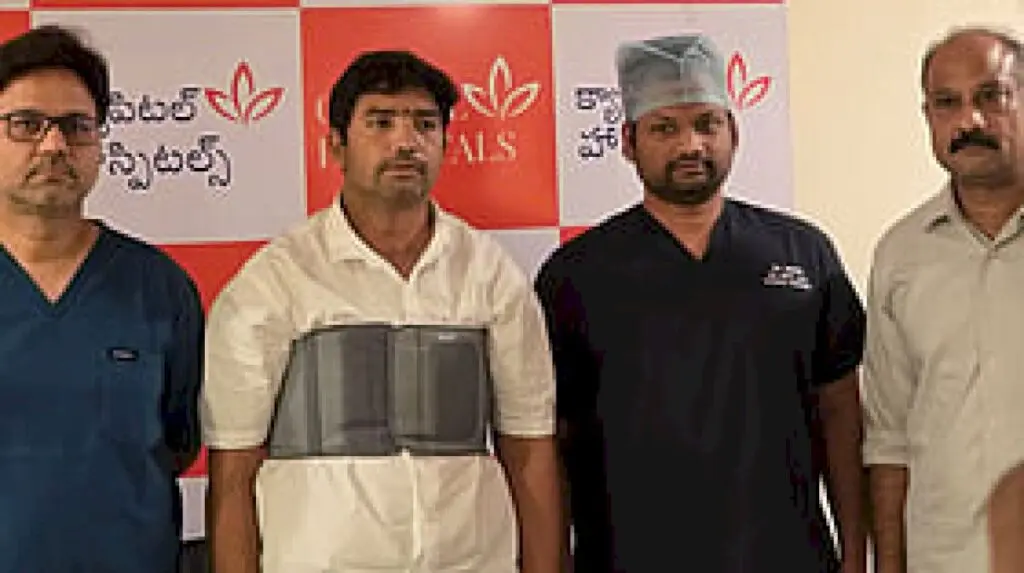
Doctors at CARE Hospitals in Bhubaneswar performed an emergency open-heart surgery on a 29-year-old man suffering from Type-1 Acute Aortic Dissection, one of the most fatal cardiovascular emergencies. The patient was rushed with sudden, severe chest pain and was diagnosed promptly by cardiologist Dr. Giridhari Jena, allowing the team to mobilise within minutes.
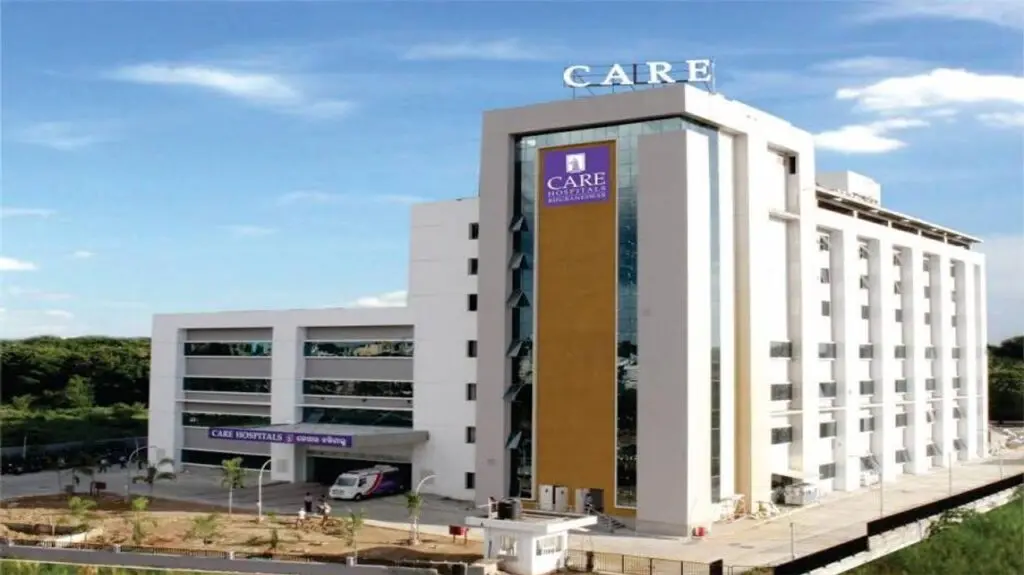
The complex procedure was led by Dr. Suvakanta Biswal, Senior Consultant in Cardiothoracic and Vascular Surgery, along with Dr. Somen, and was supported by the cardiac anaesthesia team, ICU nursing staff, perfusionists and OT technicians. The patient recovered well under intensive monitoring and was discharged in stable condition on the fifth day after surgery.
Type-1 Acute Aortic Dissection involves a tear in the main artery, the aorta, causing internal bleeding and disruption of blood flow to vital organs. Delayed treatment can be rapidly fatal, making early diagnosis and immediate specialised surgical care critical for survival.
Indian Opinion Analysis
Type-1 Acute Aortic Dissection has a mortality rate of 1-2% per hour in the first 48 hours if untreated. In India, aortic dissections remain underdiagnosed, especially in younger patients, because symptoms mimic a heart attack. The survival of this patient underscores the importance of hospitals having round-the-clock cardiothoracic surgical teams, something still concentrated in a few cities. For Odisha, where tertiary cardiac care is limited, this case highlights the need for more centres equipped to handle such emergencies. The next step for public health policy would be expanding emergency cardiac surgery capacity to district hospitals.
Source: odishatv.in
This story was synthesised by AI from the source linked above. Methodology and corrections.