






Now Reading: BJP hits back at Rahul Gandhi over Hoysaleshwara temple post
-
01
BJP hits back at Rahul Gandhi over Hoysaleshwara temple post



The Story in Brief
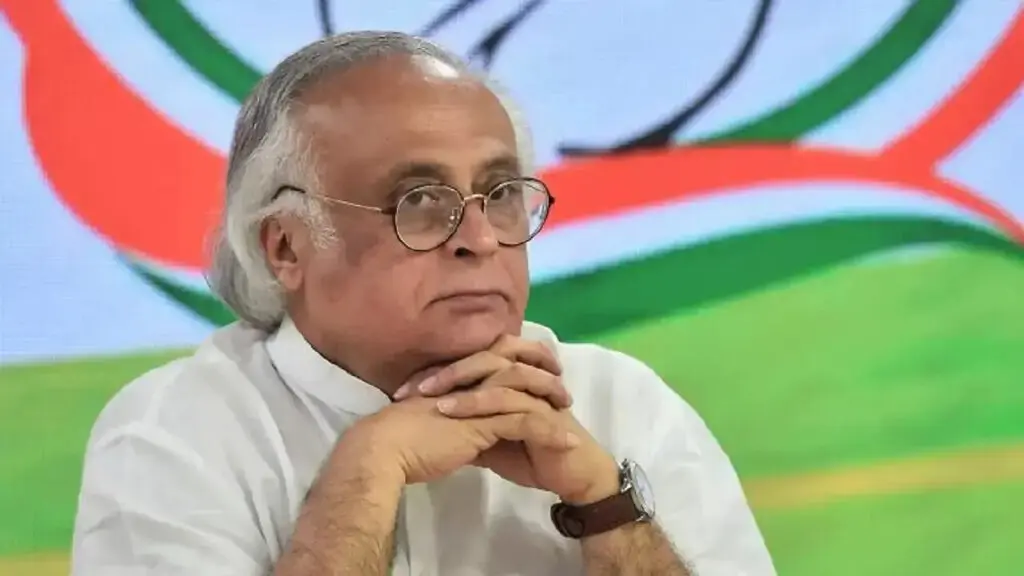
The BJP on Tuesday, 17 November, hit back at Congress leader Rahul Gandhi over his social media post that said fear, anger and hatred had created a web in the hearts of BJP and RSS supporters. The BJP retweeted Gandhi’s post, which featured a 12th-century Hoysala sculpture from the Hoysaleshwara temple in Halebidu, Karnataka, and asked him who ransacked the historic city.
The party named Alauddin Khalji’s general Malik Kafur in 1311 and Muhammad bin Tughlaq’s army in 1326-27 as the forces that destroyed the Hoysala capital of Dwarasamudra, later called Halebidu or ‘old capital’. The BJP also questioned who broke the faces and hands of idols at the temple complex. Assam Chief Minister Himanta Biswa Sarma separately criticised Gandhi for equating mortals with God in his post. The exchange follows Gandhi’s remarks about his parents’ relationship that sparked the controversy.
Indian Opinion Analysis
Both outlets report the same political exchange between Rahul Gandhi and the BJP over a Hoysala sculpture and Gandhi's remarks on love and belonging. Times of India provides the fuller context, including Gandhi’s original post, the BJP’s historical references, and a separate criticism from Assam Chief Minister Himanta Biswa Sarma. The Federal’s report is briefer and is sourced from a PTI wire copy, lacking the additional detail on Gandhi’s family remarks or Sarma’s response. The coverage is substantively identical in its core reporting of the BJP’s questions, the difference is one of length and inclusion of peripheral reactions. The article ends with a concrete opening: the BJP’s query on historical destruction remains unanswered by Gandhi.
Coverage: 2 sources, 2 neutral
Sources (2): timesofindia.indiatimes.com (neutral report), thefederal.com (neutral report)
This brief was synthesised by AI from the 2 sources linked above, so one read covers every framing they carry. Methodology and corrections.