



Now Reading: Blinkit denies using phone data for marketing or surveillance
-
01
Blinkit denies using phone data for marketing or surveillance


The Story in Brief
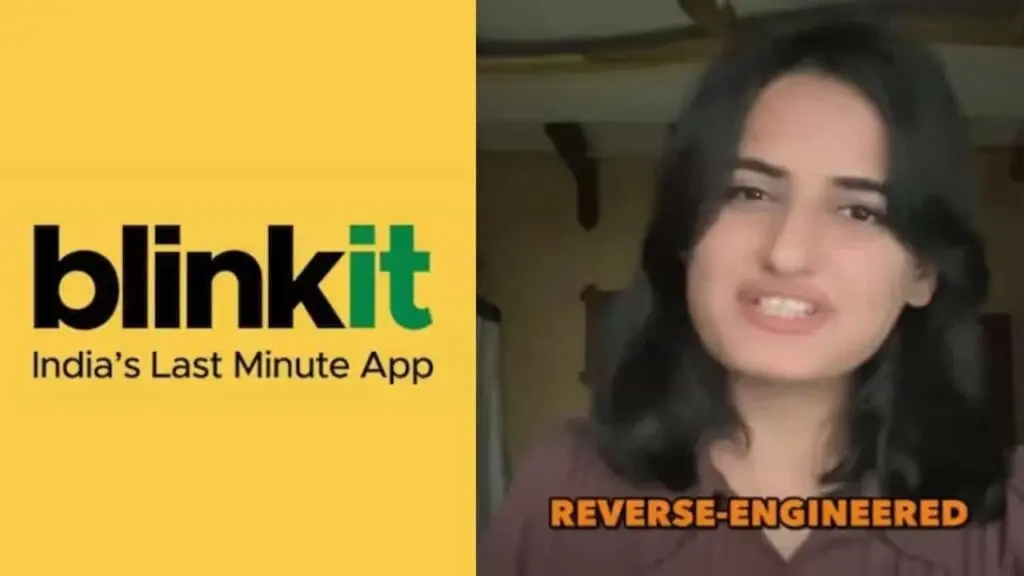
Content creator Anika Beri says she reverse-engineered Blinkit’s Android app and found it can check information such as other installed apps, Wi-Fi network name, location, battery level and accessibility settings. She claims these signals could help infer a user’s age, household and urgency when ordering. Beri also said the app checks about 21 other applications, including Instagram and Zomato.
Blinkit’s Android team said the data is used to make the app work better, not for marketing or surveillance. It said checks for Zomato and District support login features, while WhatsApp and Instagram checks enable sharing features. The company said Wi-Fi details help cache location so the app need not wait for GPS, and battery and CPU data help limit unnecessary features on less capable phones. Aaj Tak reports that no firm data was presented to support claims about inferring age from accessibility settings.
Indian Opinion Analysis
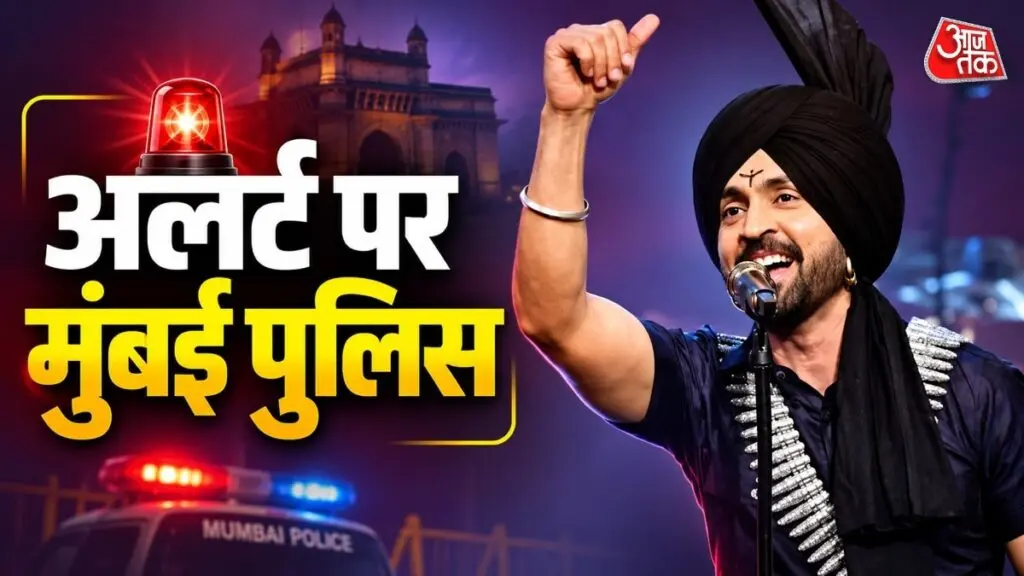
Aaj Tak’s headline foregrounds the possibility of higher prices for users with low battery, while TV9 Hindi frames the allegations as a spying controversy. Both report Beri’s claims, but TV9 gives more space to Blinkit’s explanations of specific app functions, including login and sharing features, Wi-Fi location caching and device optimisation. Aaj Tak also notes that the age inference claim lacks firm supporting data, though its headline leaves the battery-pricing concern prominent. The coverage therefore sets out a clear dispute between possible inferences from collected signals and the company’s stated performance and accessibility purposes. The sources do not establish that the app uses these signals to change prices or identify household members.
Coverage: 2 sources, 2 sensationalist
Sources (2): aajtak.in (sensationalist), tv9hindi.com (sensationalist)
This brief was synthesised by AI from the 2 sources linked above, so one read covers every framing they carry. Methodology and corrections.