
Now Reading: Delhi High Court rejects omnibus personality rights claim in Abhishek Sharma case
-
01
Delhi High Court rejects omnibus personality rights claim in Abhishek Sharma case

Delhi High Court rejects omnibus personality rights claim in Abhishek Sharma case

The Story in Brief
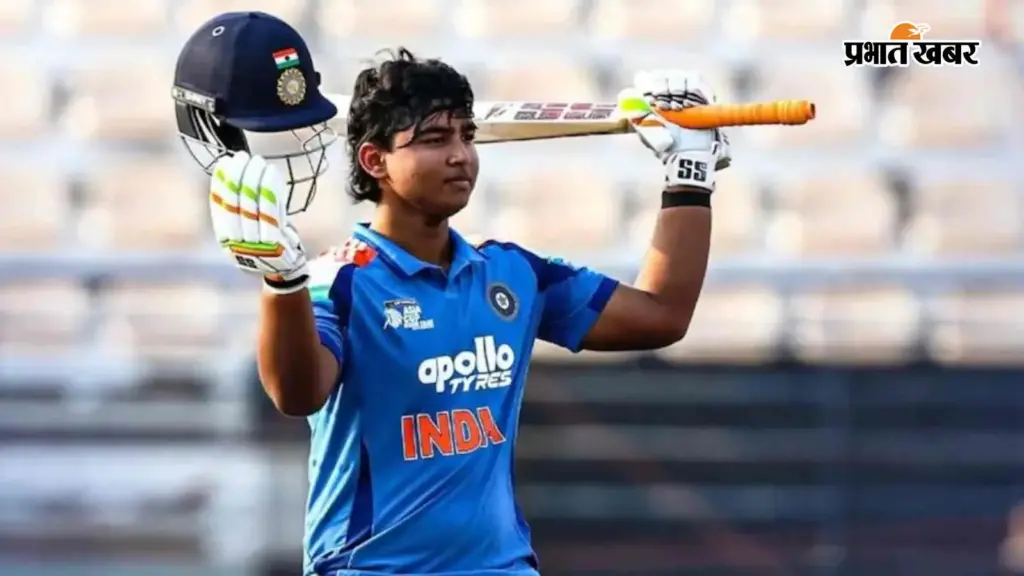
The Delhi High Court has decreed cricketer Abhishek Sharma’s suit in terms of its 9 July interim order, restraining fake, obscene and morphed content depicting him and the unauthorised sale of merchandise. Justice Purushaindra Kumar Kaurav passed the judgment on 23 November in Abhishek Sharma v Ashok Kumar.
The court said reputation, privacy, dignity, commercial identity, passing off and publicity involve different legal interests and cannot be combined into one collective personality-rights claim. It said fame alone does not create a cause of action, and that news, criticism, satire, parody, caricature and qualifying fan expression remain outside the decree. The order was issued after Sharma’s counsel said the content had been removed. The court said the decree was not a ruling on the merits and gave Sharma liberty to approach intermediaries and sellers over later offending content.
Indian Opinion Analysis
Bar and Bench and LawChakra present the judgment as a limit on omnibus personality-rights suits, stressing that the decree followed removal of the disputed content rather than a merits ruling. LiveLaw places the decision within a wider 2026 pattern of celebrity claims and the absence of overarching personality-rights legislation, while also stressing separate statutory and common-law routes. The shared account leaves less room for a single celebrity veto than for claim-specific remedies, but the sources do not resolve how overlapping reputation and identity claims should be heard. The court’s stated next step is case-by-case consideration, with Sharma able to return over later content covered by the 9 July order.
Coverage: 3 sources, 3 neutral
Sources (3): livelaw.in (neutral report), barandbench.com (neutral report), lawchakra.in (neutral report)
This brief was synthesised by AI from the 3 sources linked above, so one read covers every framing they carry. Methodology and corrections.