
















Now Reading: Bombay HC suggests amending Aadhaar Act to deport infiltrators
-
01
Bombay HC suggests amending Aadhaar Act to deport infiltrators


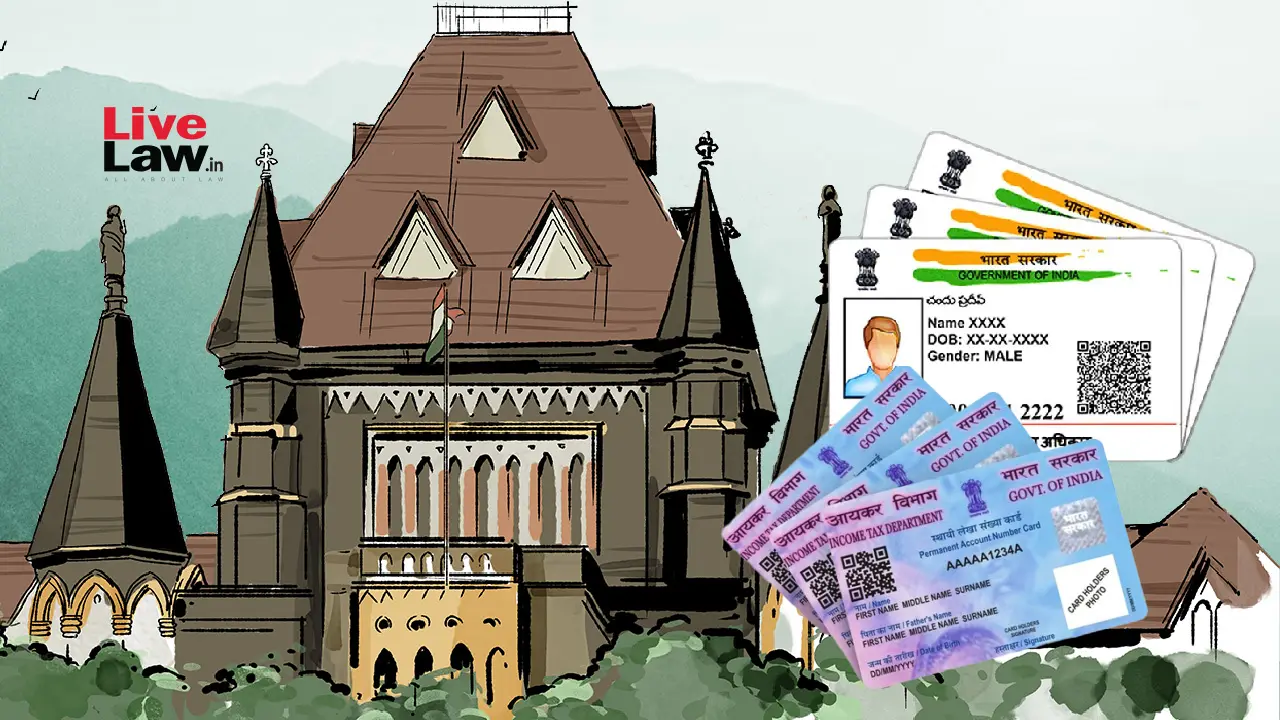
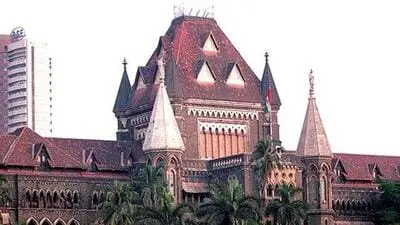
The Bombay High Court has asked the Centre and the Unique Identification Authority of India to consider amending the Aadhaar Act, 2016 to help agencies trace and deport foreign nationals who fraudulently obtain Aadhaar cards. A division bench of Justices Ajay Gadkari and Kamal Khata noted a 'concerning pattern' of foreigners infiltrating India's borders and using fake documents to claim Indian identity.
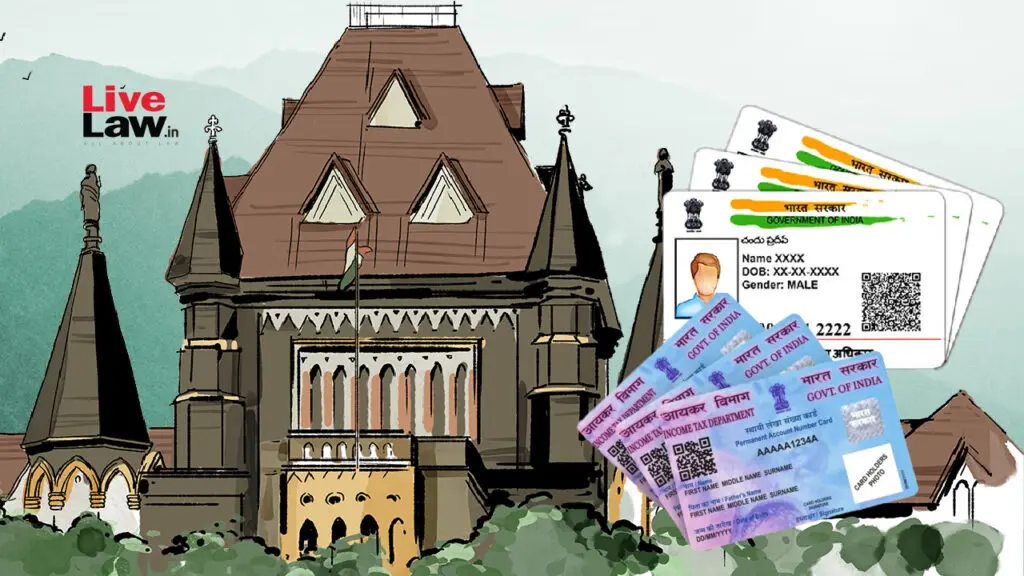
LiveLaw reports the court observed a 'critical gap' in inter-agency coordination and document verification procedures. It said the continued stay of such individuals encourages further infiltration and document forgery. The Times of India adds that the court urged Maharashtra and central agencies to make a 'concerted effort' to verify documents promptly when investigators suspect a person has infiltrated the border and procured an Aadhaar card using bogus papers.
The order came on a police plea seeking Aadhaar details of an alleged Afghan national who overstayed his visa. UIDAI had cited Section 29 of the Aadhaar Act, which bars disclosure without a court order. The court said the Act needs exceptions for national security cases and directed the government to consider amendments.
Indian Opinion Analysis
Both LiveLaw and The Times of India present the court's observations without challenge, producing neutral-report coverage. LiveLaw quotes the bench's language on 'infiltrators' and 'anti-national activities' directly, giving more weight to the security framing. The Times of India focuses on the procedural request for inter-agency coordination. Neither source questions the factual basis of the court's concern or the number of such cases. The gap remains between judicial urgency and the existing legal barrier under Section 29 of the Aadhaar Act, which the government must now decide how to address.
Coverage: 2 sources, 2 neutral
Sources (2): livelaw.in (neutral report), timesofindia.indiatimes.com (neutral report)
This brief was synthesised by AI from the 2 sources linked above, so one read covers every framing they carry. Methodology and corrections.
Updated: this story now draws on 2 sources.