















Now Reading: Malayalam minority status of TN college upheld by Madras High Court
-
01
Malayalam minority status of TN college upheld by Madras High Court


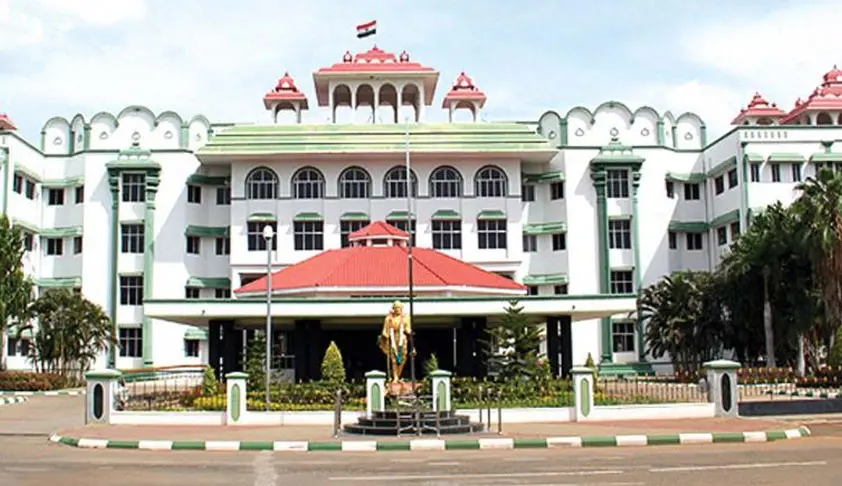
The Madras High Court has ruled that a college in Tamil Nadu run by members of the Nair community, a majority community in Kerala, can retain its Malayalam linguistic minority status. The court held that as long as Malayalam speakers are less than 50% of Tamil Nadu's population, the language qualifies as a minority language under Article 30 of the Constitution. The court noted that less than 5% of Tamil Nadu's population speaks Malayalam.
The court was hearing a PIL that sought cancellation of the minority status of Sree Ayyappa College for Women in Kanyakumari. The petitioner argued that the college was effectively controlled by the Nair Service Society (NSS) of Kerala and displayed photos of NSS founder Mannathu Padmanabhan. The college denied the allegations, stating that any Malayalee over 21 can apply for membership and that admissions are open to all castes and creeds.
The bench of Justice CV Karthikeyan and Justice R Sakthivel dismissed the plea, observing that the minority status is based on language, not the community of the administrators. The court added that if the petitioner suspects maladministration, he may approach the government or the National Commission for Minority Institutions.
Indian Opinion Analysis
Article 30 of the Constitution protects the right of linguistic and religious minorities to establish and administer educational institutions. The test for linguistic minority status is state-level population share, not national demographics. In this case, Malayalam speakers in Tamil Nadu fall below 5%, well under the 50% threshold. The ruling clarifies that the personal background of the management, even if from a community that is a majority elsewhere, does not alter minority status, as long as the institution serves the minority language group. This precedent could affect other minority-status challenges in states where a linguistic group is a minority locally but its members belong to a dominant community in a neighbouring state. The petitioner can still approach the National Commission for Minority Educational Institutions if he has evidence of misuse.
Source: livelaw.in
This brief was synthesised by AI from the source linked above. Methodology and corrections.