







Now Reading: Botticelli masterpiece debuts in Bengaluru alongside rare Indian art
-
01
Botticelli masterpiece debuts in Bengaluru alongside rare Indian art

Botticelli masterpiece debuts in Bengaluru alongside rare Indian art


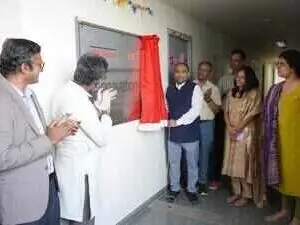
An exhibition opening at Bengaluru’s National Gallery of Modern Art (NGMA) on Wednesday places Sandro Botticelli’s ‘Madonna and Child’ (1490) in direct dialogue with an 11th-12th century Indian sculpture of the mother goddess Chamunda, exploring contrasting visions of motherhood across cultures.
Curated by Naman Ahuja, ‘One Mother, Many Mother Tongues’ brings together 26 artworks from India and Italy, including rare Kushan, Gupta, and Etruscan pieces, in a basilica-style hall. It is the first time the Botticelli oil painting is displayed in Bengaluru after a Delhi stop.
The exhibition, open until September 20, is also billed as a precursor to the India-Italy Year of Culture and Tourism 2027. Museum educators will conduct guided sessions for visitors.
Indian Opinion Analysis
Both outlets report the same facts neutrally, with Times of India foregrounding the artistic and curatorial narrative, the dialogue between a Botticelli Madonna and an Indian sculpture of a fierce mother, while Deccan Herald leads with the tourism minister’s speech and the exhibition’s economic framing. ToI gives curator Naman Ahuja’s broader argument about global access without travel, while DH emphasises Karnataka’s cultural tourism strategy and a 2027 bilateral year. Neither carries an editorial slant, the difference is purely topical emphasis. A careful reader should note the parallel themes, cultural exchange and accessibility, that both versions affirm, and watch for the September 20 closing date as a concrete event.
Coverage: 2 sources, 1 pro-government, 1 neutral
Sources (2): timesofindia.indiatimes.com (neutral report), deccanherald.com (pro government)
This story was synthesised by AI from the 2 sources linked above. Methodology and corrections.
Updated: this story now draws on 2 sources.