


















Now Reading: Calcutta HC: stray sex after separation does not condone cruelty
-
01
Calcutta HC: stray sex after separation does not condone cruelty


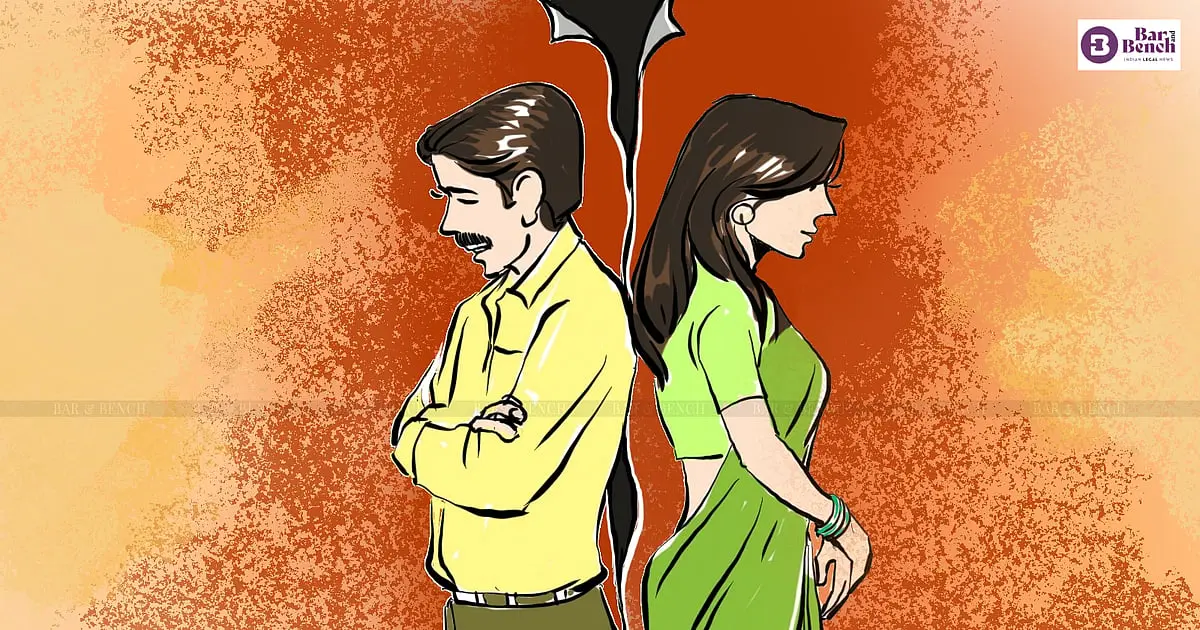
The Calcutta High Court has ruled that stray instances of sexual intercourse between separated spouses do not, by themselves, establish that earlier matrimonial cruelty was condoned. A division bench of Justices Sabyasachi Bhattacharyya and Supratim Bhattacharya upheld a family court's December 2021 divorce decree granted to a husband on grounds of mental cruelty.
The couple married in June 2009 under the Special Marriage Act and had a child in 2013. They separated in 2014 after disputes arose. The husband alleged his wife made repeated false accusations against him and his family, filed criminal complaints, and insisted he live apart from his dependent widowed mother. The wife argued she returned to the matrimonial home several times after separation, living with her husband for 7-8 days each time, claiming this showed forgiveness. The court rejected this, stating: 'Stray incidents of living together as husband and wife do not amount to condonation.'
The bench found the wife had made serious but unsubstantiated allegations including dowry demands, forcible abortion, and that her mother-in-law had molested their minor son, with no document or witness supporting the latter claim. The court clarified the wife could independently seek permanent alimony. The bench also noted the marriage had broken down irretrievably after 11 years of separation.
Indian Opinion Analysis
Both barandbench.com and telanganatoday.com reported the same legal ruling without editorial slant, providing neutral straight reporting. The key divergence is emphasis: barandbench.com led with the court's specific legal reasoning on condonation and included the judges' full quote on conditional forgiveness, while telanganatoday.com led with the headline 'occasional cohabitation does not erase cruelty' and added the detail of a failed court-referred mediation. Neither source overstates or omits material facts. The uniform coverage reflects the ruling's straightforward legal point rather than any political dimension. The wife's option to seek permanent alimony remains the open procedural step.
Coverage: 2 sources, 2 neutral
Sources (2): barandbench.com (neutral report), telanganatoday.com (neutral report)
This story was synthesised by AI from the 2 sources linked above. Methodology and corrections.
Updated: this story now draws on 2 sources.