













Now Reading: California teen’s Lego Braille printer led to Intel funding
-
01
California teen’s Lego Braille printer led to Intel funding


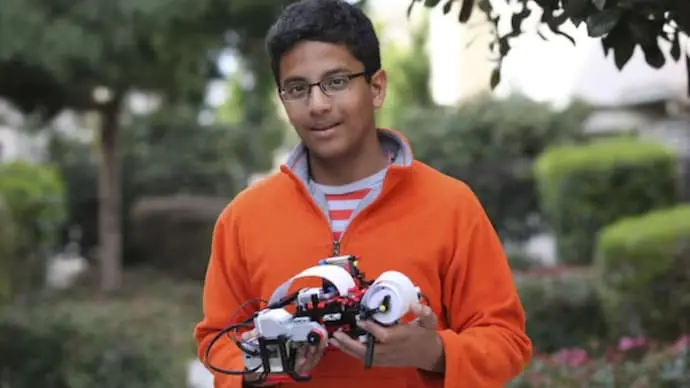
Shubham Banerjee, then 13, built a working Braille printer from a Lego Mindstorms EV3 kit in 2014 after learning that commercial Braille embossers cost $2,000 or more. His prototype cost about $350 and used three motors to move paper and create raised-dot patterns. It took seven attempts to get a working version.
Banerjee won the Outreach Foundation n+1 Prize at a Santa Clara County science fair and later founded Braigo Labs, combining "Braille" and "Lego". Intel Capital invested in the company in 2014, making Banerjee the youngest entrepreneur to receive venture funding from Intel at that time. The original Lego machine was never intended for commercial sale, it served as a proof-of-concept. Braigo Labs moved on to develop a quieter, faster custom-built printer.
Indian Opinion Analysis
Braille literacy has declined globally as screen-reader software became cheaper, but UNESCO data still shows fewer than 10% of blind children in low-income countries have access to braille materials. A $2,000 embosser is out of reach for most schools and families in India, where the National Programme for Control of Blindness estimates 3.5 crore people have visual impairment. Banerjee's prototype proved concept-stage hardware could be built for Rs 30,000, which is within the budget of many district resource centres. Braigo Labs later licensed its design to manufacturers in developing countries. The project's real test is whether any of those licenses resulted in a production printer sold at that target price.
Source: indiatoday.in
This brief was synthesised by AI from the source linked above. Methodology and corrections.