












Now Reading: Technology Helps Deaf-Blind Man Travel and Work Independently
-
01
Technology Helps Deaf-Blind Man Travel and Work Independently


T Prabhakaran, who has deafblindness, travelled alone to Delhi for a meeting using Google Maps, Google Translate and other smartphone tools. He used technology to find his boarding gate, communicate, navigate unfamiliar…
The Story in Brief
T Prabhakaran, who has deafblindness, travelled alone to Delhi for a meeting using Google Maps, Google Translate and other smartphone tools. He used technology to find his boarding gate, communicate, navigate unfamiliar places and return home without an interpreter or family member. He now works as a project field worker and uses screen readers, speech tools, OCR, GPS apps, ZoomText and WhatsApp.
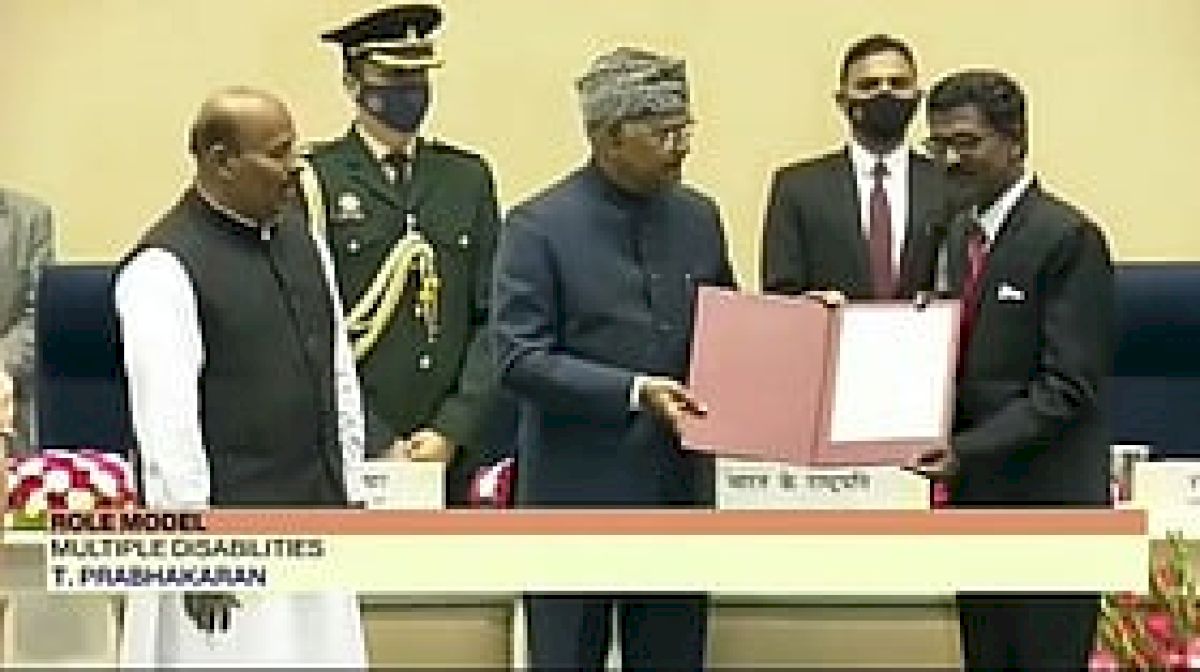
Born in Andhra Pradesh, Prabhakaran joined a rehabilitation programme after a community worker connected his family with Sense International India. His communication and confidence improved over time. Eye surgery also improved his long-distance vision. The Government of India gave him the National Award for Role Model for Persons with Multiple Disabilities in 2021. He says assistive technology and training should be available to all people with deafblindness.
The Indian Opinion
Prabhakaran’s experience shows how accessible technology can support independence, communication and employment. It does not mean technology removes every barrier, since training, affordable devices, accessible services and human support remain important. Claims that technology alone can overcome disability would be too broad. The account also offers limited information about the wider availability of these tools for other people with deafblindness.
Source: deccanherald.com
This story was synthesised by AI from the source linked above.