










Now Reading: CBN, PHARMEXCIL sign MoU to boost pharma exports, prevent diversion
-
01
CBN, PHARMEXCIL sign MoU to boost pharma exports, prevent diversion



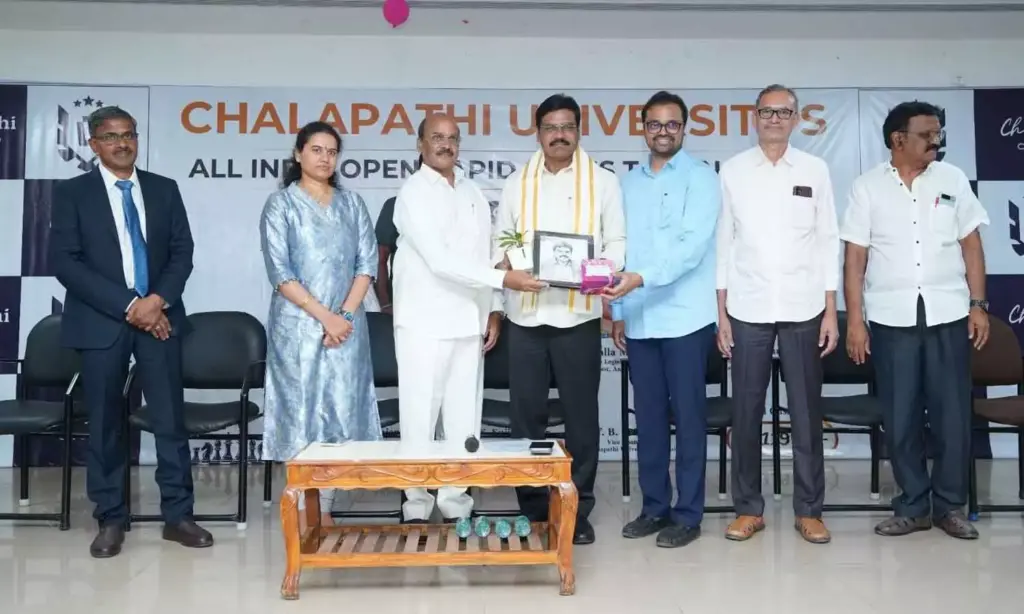
The Central Bureau of Narcotics (CBN) and the Pharmaceuticals Export Promotion Council of India (PHARMEXCIL) signed an MoU on Monday to facilitate legitimate pharma exports while preventing diversion of products. The agreement aims to balance India's role as a leading global supplier of active pharmaceutical ingredients and formulations with effective regulatory oversight.

Under the MoU, the government will develop a voluntary code of conduct for the industry in consultation with PHARMEXCIL. The partnership will identify operational bottlenecks and recommend measures to streamline export procedures for compliant exporters. PHARMEXCIL member companies will nominate contact persons to coordinate matters related to the voluntary code. CBN administers the Narcotic Drugs and Psychotropic Substances Act, 1985, overseeing licit opium cultivation and issuing import-export authorisations for controlled substances.
Indian Opinion Analysis
This is the first formal pact between India's narcotics regulator and its pharma export body, merging two domains that rarely coordinate. India supplies roughly 20% of the world's generic drugs by volume, making any loophole in NDPS-controlled substances a global supply-chain risk. The voluntary code of conduct the MoU promises will be tricky to enforce, because diversion often happens after products leave Indian jurisdiction. The CBN's existing mandate covers opium, morphine and codeine precursors, the expansion to other pharmaceutical inputs widens its scope without new legislation. How many companies voluntarily nominate contact persons and whether the code carries penalties for non-compliance will determine whether this remains a paper exercise or becomes a working gatekeeper.
Source: thehindubusinessline.com
This story was synthesised by AI from the source linked above. Methodology and corrections.