


















Now Reading: CCMB study finds women key in ancient migrations shaping Konkani ancestry
-
01
CCMB study finds women key in ancient migrations shaping Konkani ancestry

CCMB study finds women key in ancient migrations shaping Konkani ancestry

The Story in Brief
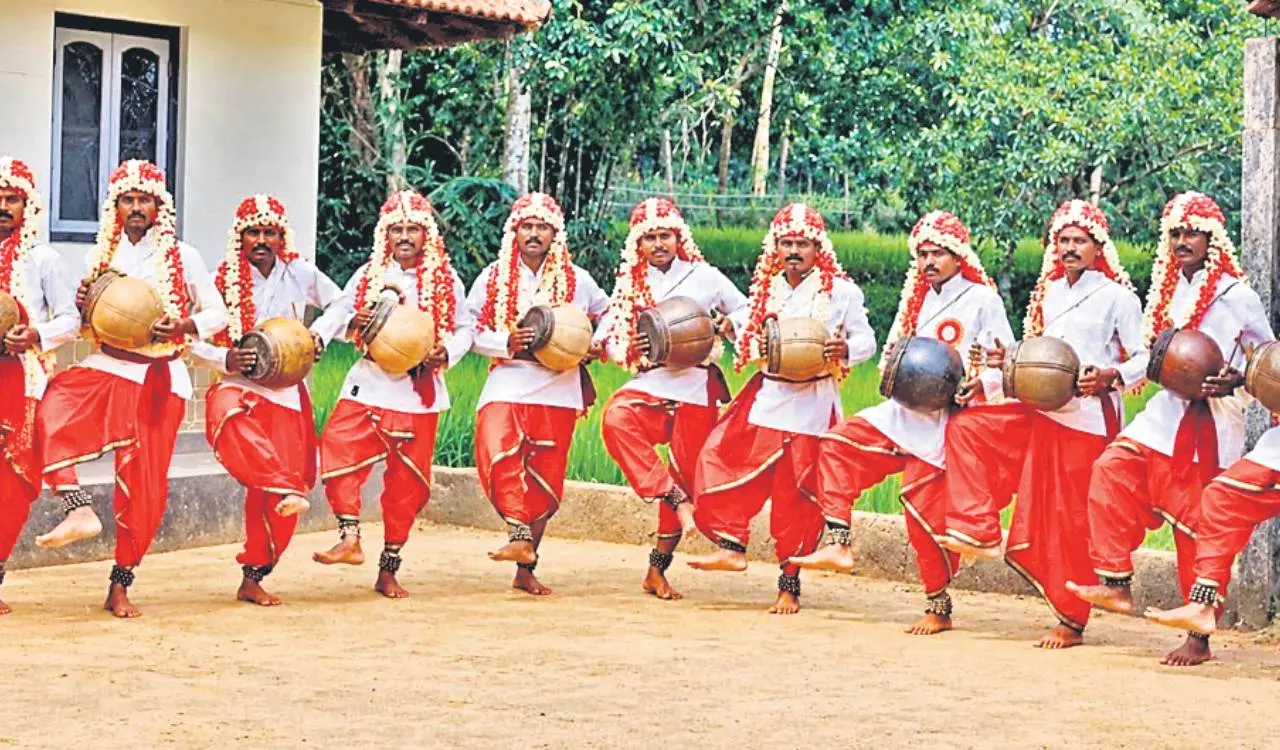
A genetic study by the Centre for Cellular and Molecular Biology (CCMB) and Mangalore University has found that Konkani-speaking populations along India's west coast have predominantly South Asian maternal ancestry, alongside genetic signatures from Bronze Age migrations and ancient West Eurasian lineages. Published in the journal Heredity on 23 October, the analysis of complete mitochondrial genomes from 295 Konkani individuals challenges the assumption that prehistoric Bronze Age migrations into South Asia were exclusively male-mediated.
The Times of India reports that the study, led by K Thangaraj of CCMB and Professor MS Mustak of Mangalore University, found that Sarasvata groups show higher affinities to West Eurasian and Steppe-linked maternal lineages than non-Sarasvata groups. Telangana Today notes that a significant proportion of maternal diversity traces to source populations from the Near East during the Last Glacial Maximum, assimilated during post-glacial recovery and Holocene movements.
Both outlets report that occupational communities like the Kharvi and Kudubi show pronounced genetic drift from founder events and long-term endogamy, while Gauda Sarasvata Brahmins and Roman Catholics exhibited higher genetic diversity. The study also involved linguist Prof George van Driem of the University of Bern and Lomou Kumar of the Birbal Sahni Institute of Palaeosciences.
Indian Opinion Analysis
Both Telangana Today and the Times of India present the CCMB study as straight news, with no discernible slant. Telangana Today leads with the finding that Konkani groups show South Asian roots and ancient West Eurasian lineages, while the Times of India emphasises the role of women in migrations. The uniform coverage reflects a consensus on the scientific significance of the discovery. The study's finding that maternal lineages entered South Asia during the warming period 19,000 to 11,000 years ago, and later through the Holocene, is reported identically by both outlets. No next step is named, the research bridges a gap in population genetics along India's western coastline.
Coverage: 2 sources, 2 neutral
Sources (2): telanganatoday.com (neutral report), timesofindia.indiatimes.com (neutral report)
This brief was synthesised by AI from the 2 sources linked above, so one read covers every framing they carry. Methodology and corrections.