















Now Reading: Centre unveils Aravalli restoration plan for Gurugram
-
01
Centre unveils Aravalli restoration plan for Gurugram


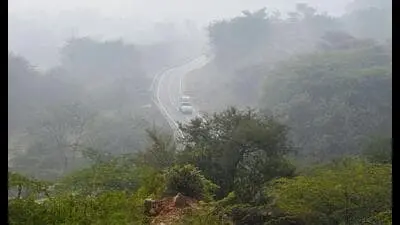
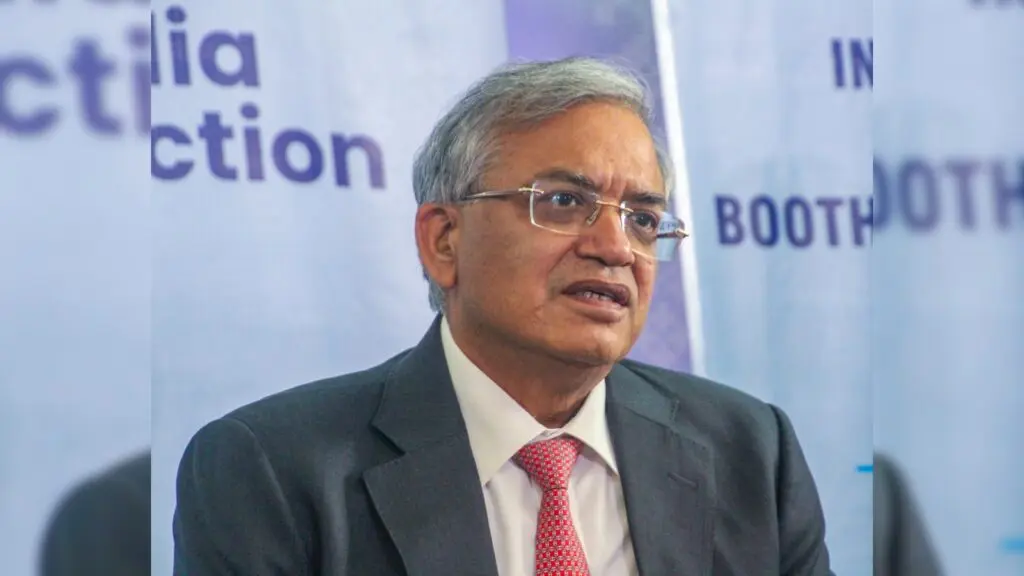
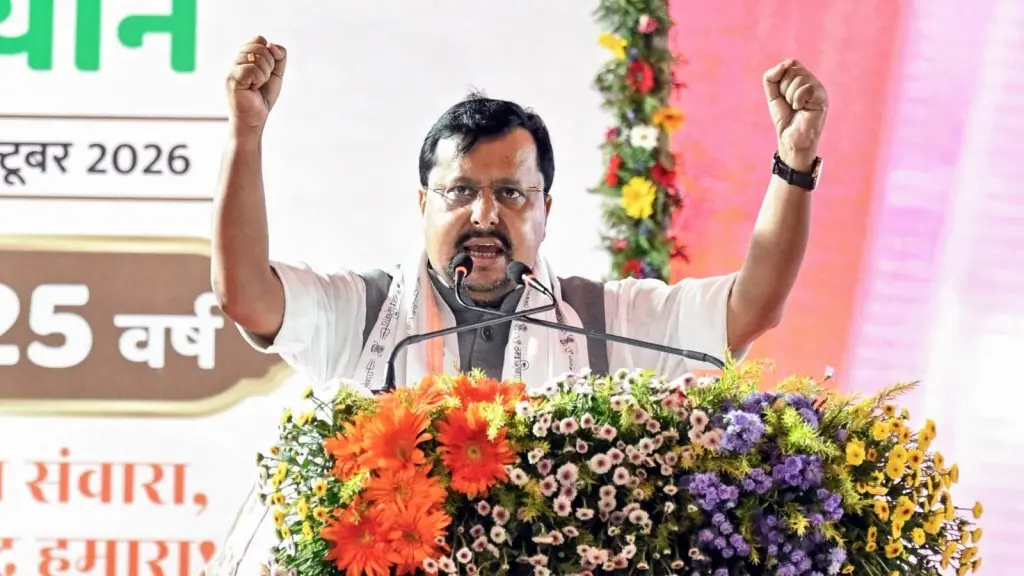
The Centre on Thursday announced a comprehensive roadmap for the ecological restoration of the Aravalli range in the Gurugram region, focusing on native vegetation revival and hydrological assessment. Union environment minister Bhupender Yadav said the Indian Council of Forestry Research and Education has been tasked with studying the region's hydrology and flora, including identifying native species such as dhak, ber, baheda, neem, peepal and banyan, along with over 25 varieties of local grasses.
The plan includes planting indigenous species on nearly 10,000 acres of forest land notified by the Haryana government. A consolidated boundary wall along urban-forest fringes is proposed to reduce human-wildlife conflict, especially leopard incursions. The roadmap also adheres to Supreme Court directions on Aravalli protection, including a freeze on new mining leases until a sustainable mining plan is prepared. The estimated cost and start date for the study have not been announced.
Indian Opinion Analysis
The Aravallis are a 670-km ancient mountain range that acts as a natural barrier against desertification and recharges groundwater for the NCR region. Unchecked mining and construction have degraded large swathes, especially in Haryana, where lower hills below 100 meters were previously excluded from protection. The Supreme Court's stay on its November 2025 judgment and the freeze on new mining leases signal a shift toward stricter oversight. The hydrological study by ICFRE will be critical: it can identify recharge zones and degraded catchments, directly affecting water availability for Gurugram's rapid urbanisation. The next milestone is the completion of that study and the sustainable mining plan, which will determine how much of the 10,000 acres can actually be restored.
Source: hindustantimes.com
This story was synthesised by AI from the source linked above. Methodology and corrections.