














Now Reading: Assam project uses biochar from invasive plants to restore elephant habitat
-
01
Assam project uses biochar from invasive plants to restore elephant habitat

Assam project uses biochar from invasive plants to restore elephant habitat

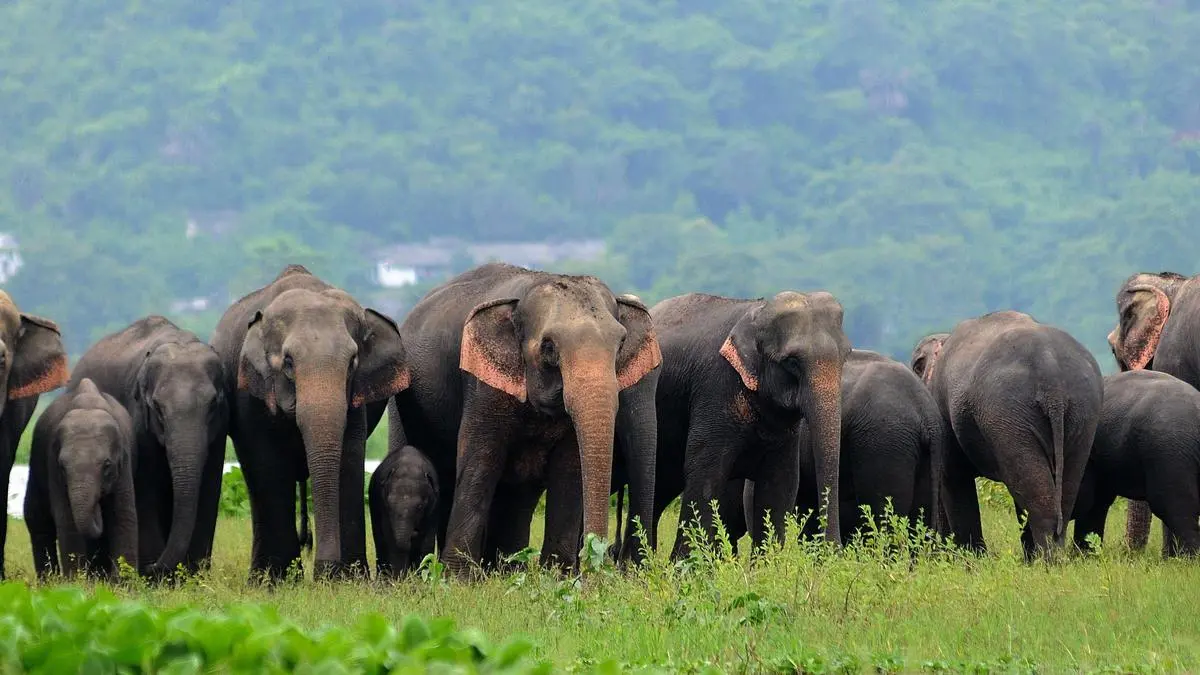
A project in Assam's Khalingduar Reserve Forest aims to restore elephant habitat by turning invasive alien plants into biochar. The two-hectare pilot, supported by the International Elephant Foundation and implemented by Aaranyak, targets three invasive species: Lantana camara, Chromolaena odorata, and Mikania micrantha. These plants have been choking native vegetation and reducing food options for herbivores.

The project involves manually uprooting the invasives, using seed balls to regenerate native plants, and converting the cleared biomass into biochar. Biochar is a stable form of carbon that can improve soil quality and remain in the ground for millennia. The area will be monitored for regrowth to ensure native vegetation recovery.
Sonali Ghosh, the Additional Principal Chief Conservator of Forests, called the project a potential game-changer for invasive species management. The initiative addresses a decades-long problem for Assam's Forest Department, which has struggled to control half a dozen invasive alien plants that constrict local vegetation.
Indian Opinion Analysis
The Khalingduar Reserve Forest sits in the Bodoland Territorial Region, a landscape that is part of a larger transboundary elephant corridor between India and Bhutan. Elephants in this area face shrinking forage because invasive plants like Lantana camara form impenetrable thickets that replace native grasses and herbs. Biochar production offers a dual benefit: it removes the invasive biomass and creates a soil amendment that can lock carbon for centuries. The pilot's success could provide a scalable model for other Indian forests grappling with similar invasions. The next milestone is the monitoring phase, which will track vegetation recovery over the coming seasons.
Source: thehindu.com
This story was synthesised by AI from the source linked above. Methodology and corrections.