





Now Reading: Chandigarh, Surat Fire Services Handle Diwali Emergencies
-
01
Chandigarh, Surat Fire Services Handle Diwali Emergencies


The Story in Brief
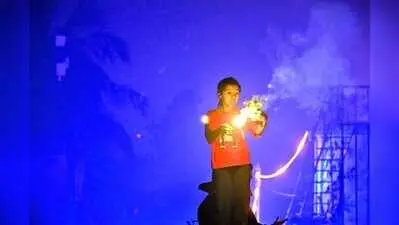
Chandigarh Fire & Rescue Services managed 29 emergency calls on Diwali night (Sunday, 8 November 2026) with zero casualties or injuries, reporting an average response time of 4.34 minutes. Most incidents involved minor fires in garbage heaps and dry grass, plus one cat rescue. The department divided the city into seven zones and stationed vehicles at markets and all 13 cracker-selling sites.
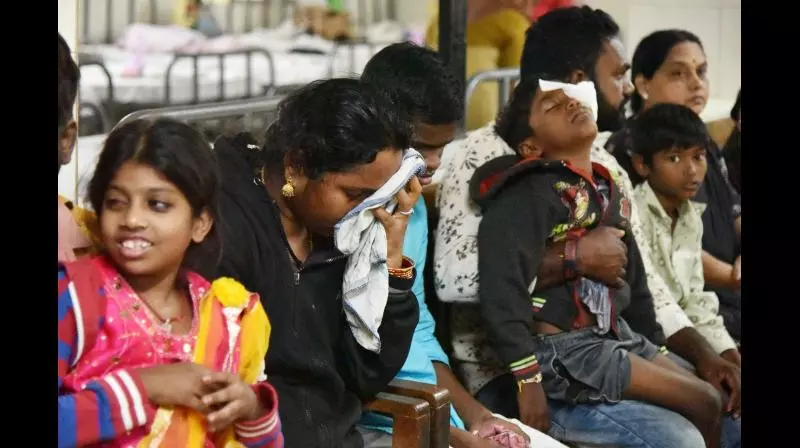
In Surat, the Fire & Emergency Services handled over 200 fire and rescue calls on Sunday and Monday (9 November 2026), with two persons suffering minor burn injuries in a Vesu fire. Garbage fires accounted for 86 calls, and there were 28 house fires and 11 electric short-circuits. Chief fire officer Basant Pareek said 88 vehicles were deployed and duty hours were temporarily extended from eight to 12 to keep maximum staff available during the festival.
Indian Opinion Analysis
The two reports frame Diwali emergency management very differently. Indianewscalling.com leads with zero casualties and a 4.34-minute response time, presenting the Chandigarh department’s preparedness as flawless and crediting the municipal commissioner by name. Times of India reports on Surat, leading with two burn injuries and the 12-hour duty extension, which implies strain despite the large deployment of 88 vehicles. The Chandigarh piece omits any injury figure, while the Surat piece omits a precise response-time metric. A balanced reading is that both cities faced high call volumes, Chandigarh’s 29 calls and Surat’s 200-plus, but the human cost differed sharply. The key concrete point both sources state is the deployment: Chandigarh used zone-based stationing and Surat used extended shifts, neither source reports a fatality.
Coverage: 2 sources, 1 pro-government, 1 neutral
Sources (2): indianewscalling.com (pro government), timesofindia.indiatimes.com (neutral report)
This brief was synthesised by AI from the 2 sources linked above, so one read covers every framing they carry. Methodology and corrections.
Update, 10 November 2026: this story now draws on 2 sources.