






Now Reading: Chandrachud says AI must not make judicial decisions
-
01
Chandrachud says AI must not make judicial decisions


The Story in Brief
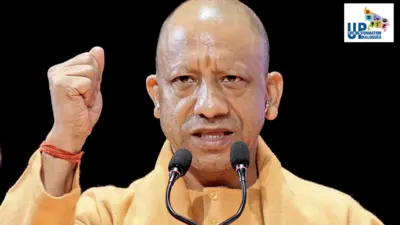
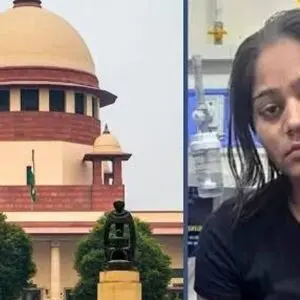
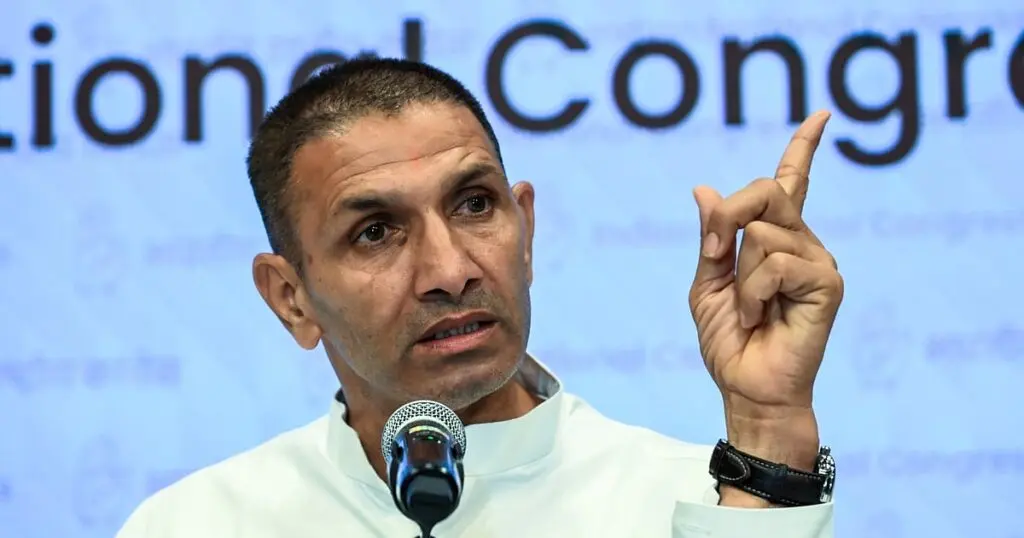
Former Chief Justice of India D Y Chandrachud said artificial intelligence can assist courts with routine work such as transcription, translation, case listing and checking procedural defects, but judges must make and sign every decision and give its reasons. He spoke at an event on AI and judicial access on Saturday, 28 November.
Chandrachud cited cases involving non-existent judgments and fabricated passages attributed to genuine Supreme Court rulings. He said people must verify AI-generated citations and translations and keep a record of each use. The Supreme Court’s AI Committee published draft regulations on 3 June 2026. They allow AI for case management, transcription, translation and research, but bar its use to assess bail risk or a witness’s credibility.
Chandrachud called for litigants to be able to challenge AI-related errors, training for district judges and independent audits before the regulations are finalised. The Hans India also reported his call for sovereign legal databases and India-developed AI models.
Update, 29 November 2026: Business Standard and Economic Times report that a trial court in Andhra Pradesh relied on four non-existent Supreme Court judgments, and that the Supreme Court later called a decision based on them misconduct. They also report a separate case in which tribunal orders attributed fabricated passages to genuine Supreme Court judgments.
Indian Opinion Analysis
Coverage of Chandrachud’s remarks is largely straight reporting, with Business Standard and Economic Times giving more detail on the fabricated-citation cases than The Hans India does. The Hans India adds his calls for sovereign legal databases and India-developed AI models, while the previous version also included his proposals for litigant challenges, judge training and independent audits. These accounts establish both the permitted administrative uses in the draft and the safeguards Chandrachud wants considered, without indicating that the draft has been finalised. The unresolved point is whether those proposed safeguards will be included when the regulations are finalised.
Coverage: 5 sources, 5 neutral
Sources (5): barandbench.com (neutral report), Syndicated copy (carried by business-standard.com, economictimes.indiatimes.com), thehansindia.com (neutral report), timesofindia.indiatimes.com (neutral report), deccanchronicle.com (neutral report)
This brief was synthesised by AI from the 5 sources linked above, so one read covers every framing they carry. Methodology and corrections.