












Now Reading: CJI: AI detectors cannot brand students cheats
-
01
CJI: AI detectors cannot brand students cheats


The Story in Brief
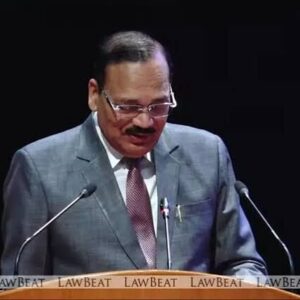
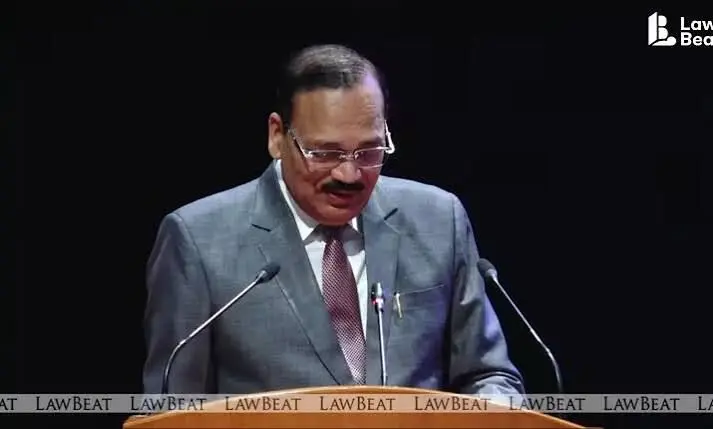
Chief Justice of India Surya Kant on Saturday, 21 November, said students should not be held guilty of academic misconduct solely on the basis of AI detection software. Citing a 2023 study, he noted that seven widely used detectors incorrectly flagged more than three in five essays by non-native English speakers as machine-generated. 'No student should therefore be held guilty of misconduct on the word of a machine alone,' he said.
Speaking at the Commonwealth Legal Education Association conference in Hyderabad, the CJI rejected a blanket ban on generative AI in legal education, calling it 'neither practicable nor wise'. He called for clear rules on permitted AI use, and suggested assessments evolve to include oral explanations or error-spotting exercises. He also proposed making a minimum period of legal aid work compulsory for graduation.
Indian Opinion Analysis
Both barandbench.com and lawbeat.in report the CJI's address factually, with near-identical quotes and context. Barandbench leads with the AI-detector warning, while lawbeat adds more detail on the CJI's five-question structure for the conference and his example of a young advocate in court. Neither outlet adds editorial slant. The core warning, that AI detectors are unreliable for non-native speakers, is consistent across both. The CJI also called for compulsory legal aid work for graduation, a point both sources cover. The next step is for law schools to implement clearer AI-use policies and revised assessments.
Coverage: 2 sources, 2 neutral
Sources (2): barandbench.com (neutral report), lawbeat.in (neutral report)
This brief was synthesised by AI from the 2 sources linked above, so one read covers every framing they carry. Methodology and corrections.