








Now Reading: Chennai Corporation relaxes road tender rules to break cartel
-
01
Chennai Corporation relaxes road tender rules to break cartel


The Story in Brief
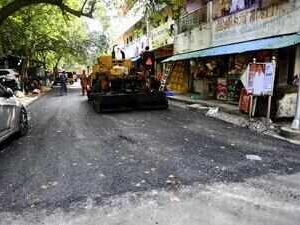
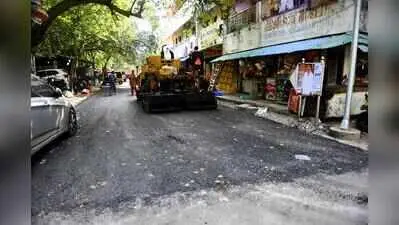
The Greater Chennai Corporation (GCC) has relaxed conditions for its 2026-27 road relaying contracts, valued at Rs 149.12 crore, in an effort to widen contractor participation and break a cartel of bidders. Under the new rules, bidders may use registered leased hot mix plants, only the lowest bidder must furnish an additional security deposit, and work orders will be generated online through the state e-procurement portal for the first time.
The Times of India reports that seven contractors who own hot mix plants have long dominated contracts by bidding through benami firms. A GCC official said the changes would make tendering transparent. The work covers 753 roads across all 15 zones, spanning 167.55 km, including 66 bus route roads. Contractors' association president R Ramarao cautioned that bids 15 to 20% below estimates could lead to poor-quality roads. Tenders close on 27 November, 3 December and 7 December 2026.
Indian Opinion Analysis
Both outlets report the same GCC rule changes as a bid to break a contractor cartel, with The Times of India naming the seven dominant contractors and the cartel allegation explicitly, while The Hindu avoids naming the seven and attributes the cartel claim to a generic official. The Times of India adds direct quotes from an urban planner and a contractor association president that raise quality and margin concerns, a framing absent from The Hindu, which hews closer to the official account. The uniform factual core, the e-procurement portal, lease rule, and ASD change, is identical. The divergent coverage creates a gap: The Times of India's additional voices invite scrutiny of bid quality, while The Hindu's narrower framing leaves the competitive risks unexamined. Tenders close on 27 November, 3 December and 7 December 2026.
Coverage: 2 sources, 2 neutral
Sources (2): thehindu.com (neutral report), timesofindia.indiatimes.com (neutral report)
This brief was synthesised by AI from the 2 sources linked above, so one read covers every framing they carry. Methodology and corrections.