












Now Reading: Chhattisgarh High Court quashes FIR over cartoon on Governor after apology
-
01
Chhattisgarh High Court quashes FIR over cartoon on Governor after apology

Chhattisgarh High Court quashes FIR over cartoon on Governor after apology

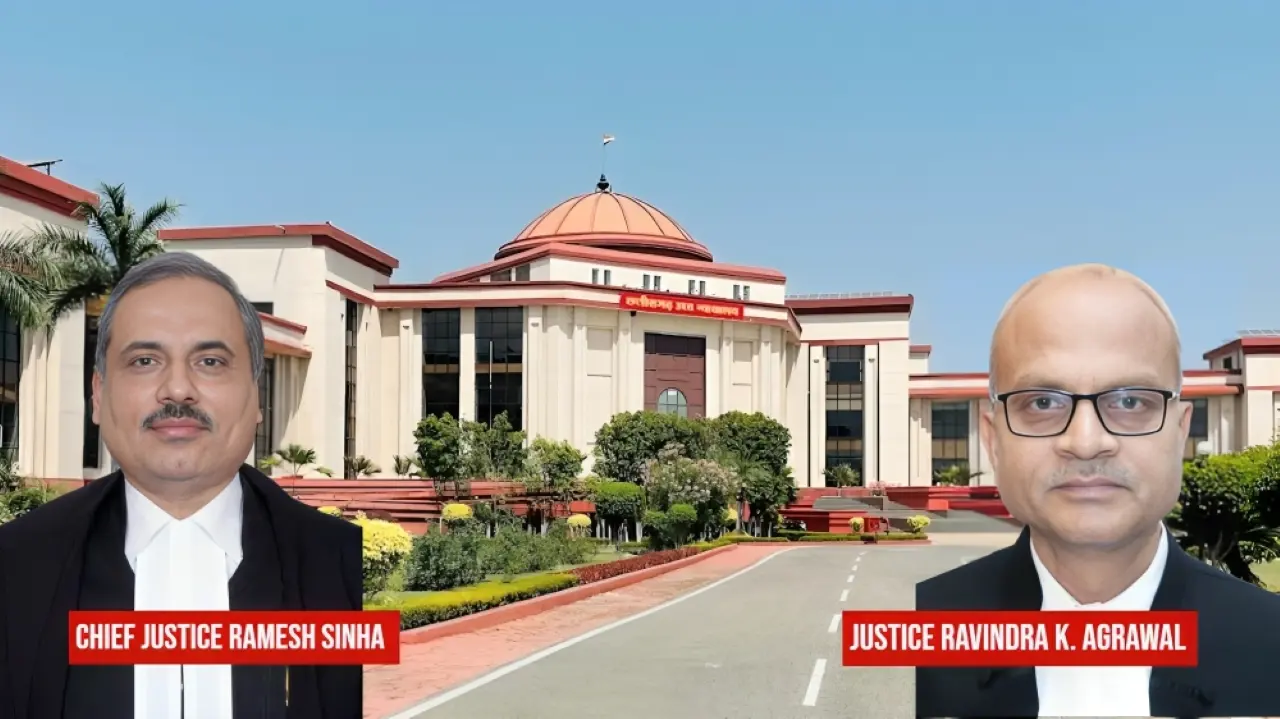
The Chhattisgarh High Court quashed an FIR against two men who shared a Facebook cartoon about the state's Governor, after they filed an unconditional apology and removed the post. The court noted the petitioners had expressed remorse and undertaken never to repeat such conduct. The FIR was lodged under Sections 352, 353(1), 353(2) of the Bharatiya Nyaya Sanhita and Section 66 of the Information Technology Act.
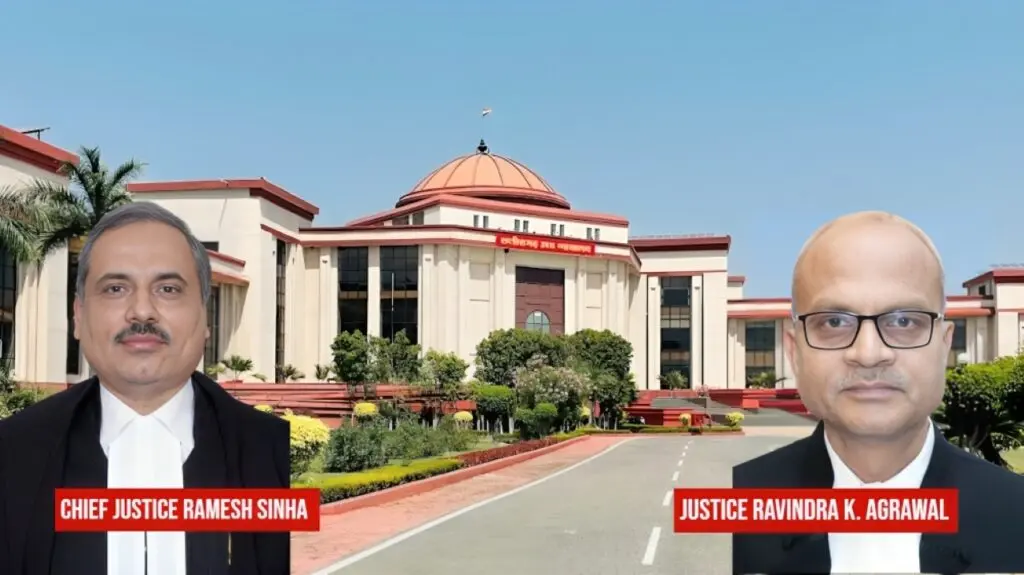
A division bench of Chief Justice Ramesh Sinha and Justice Ravindra Kumar Agrawal said the allegations arose from sharing a social media post, not any act of physical violence. The state government conveyed its consent for settlement after the petitioners complied with conditions including publishing an apology in newspapers. The court ruled that continuing prosecution after the settlement would not further justice and quashed the FIR.
Indian Opinion Analysis
The case is another instance of courts weighing free expression against the dignity of constitutional offices. Section 352 of the Bharatiya Nyaya Sanhita, used here, replaced the colonial-era Section 504 of the Indian Penal Code but carries a similar intent requirement. The High Court's emphasis on the state's consent after the petitioners' apology signals that when no physical violence or public disorder is alleged, prosecutions for online satirical content can be settled through acceptance of remorse and removal of material. The key signal from this order is the court's willingness to close proceedings once the government itself agrees there is no further public interest in prosecution, setting a benchmark for similar social media cases in the state. The next test for this approach will come when petitioners do not offer an unconditional apology or when the state continues to oppose quashing.
Source: livelaw.in
This story was synthesised by AI from the source linked above. Methodology and corrections.