


















Now Reading: China oil shippers abandon Hormuz, Bab al-Mandab
-
01
China oil shippers abandon Hormuz, Bab al-Mandab


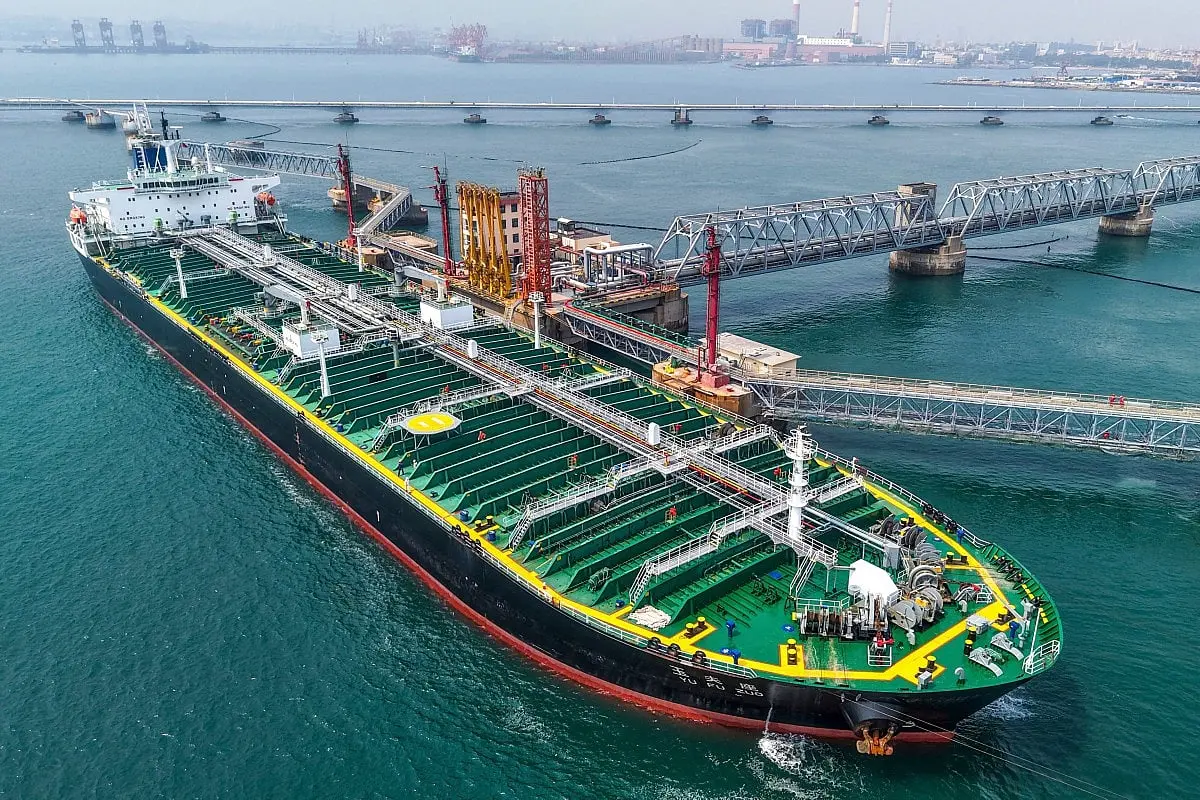
China's largest oil shipping companies have stopped using the Strait of Hormuz and the Bab al-Mandab strait, according to a Gulf News report. The shift is driven by the escalating U.S.-Iran conflict, which has severely disrupted both chokepoints. The companies are instead routing vessels via a new Arctic sea route.

The alternative route starts from the Shanghai/Ningbo area, goes north through the Bering Strait, along Russia's Arctic coast past the North Pole region, and then south into the North Sea toward Hamburg and other European ports. This path completely avoids the Indian Ocean, Red Sea, Suez Canal, and all Middle Eastern waters.
Indian Opinion Analysis
The Arctic route, known as the Northern Sea Route, cuts transit time by up to 30% compared to the Suez Canal for China-Europe trade, but is ice-free for only a few months each year. China's pivot away from Hormuz and Bab al-Mandab signals a long-term hedging strategy against Middle East instability. For India, this could mean reduced Chinese competition for energy shipments from the Gulf, but also a strategic loss of leverage as Beijing bypasses Indian Ocean chokepoints. Russia gains a new revenue stream from transit fees and a stronger economic partnership with China. The key number to watch is the volume of crude oil China moves through the Arctic in 2025's ice-free window.
Source: gulfnews.com
This story was synthesised by AI from the source linked above. Methodology and corrections.