

















Now Reading: Climate-smart design key to India’s housing future
-
01
Climate-smart design key to India’s housing future


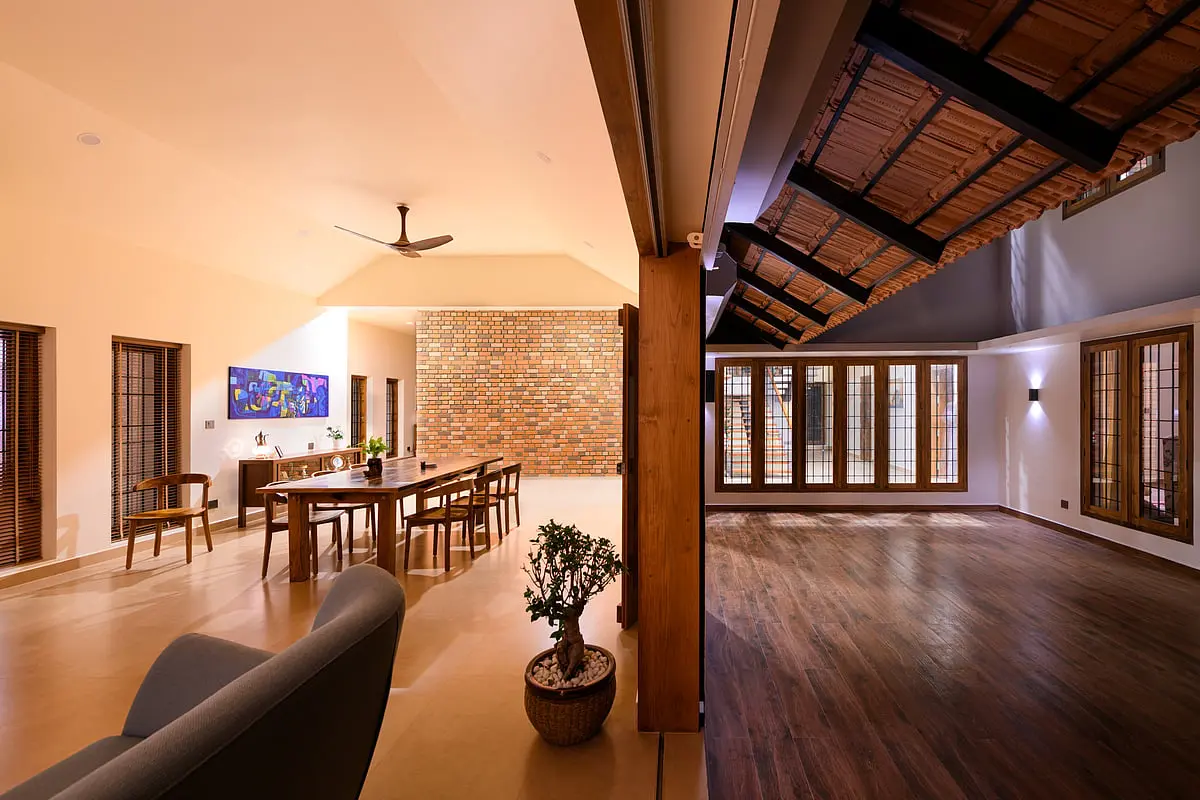
Architects in India are reviving traditional building principles with modern engineering to create climate-responsive homes that reduce reliance on mechanical cooling. This approach, rooted in Critical Regionalism, combines contemporary design with local climate and cultural wisdom. Architects like Amrutha are incorporating features such as wind towers, shaded courtyards, and jalis, adapting them for modern lifestyles.
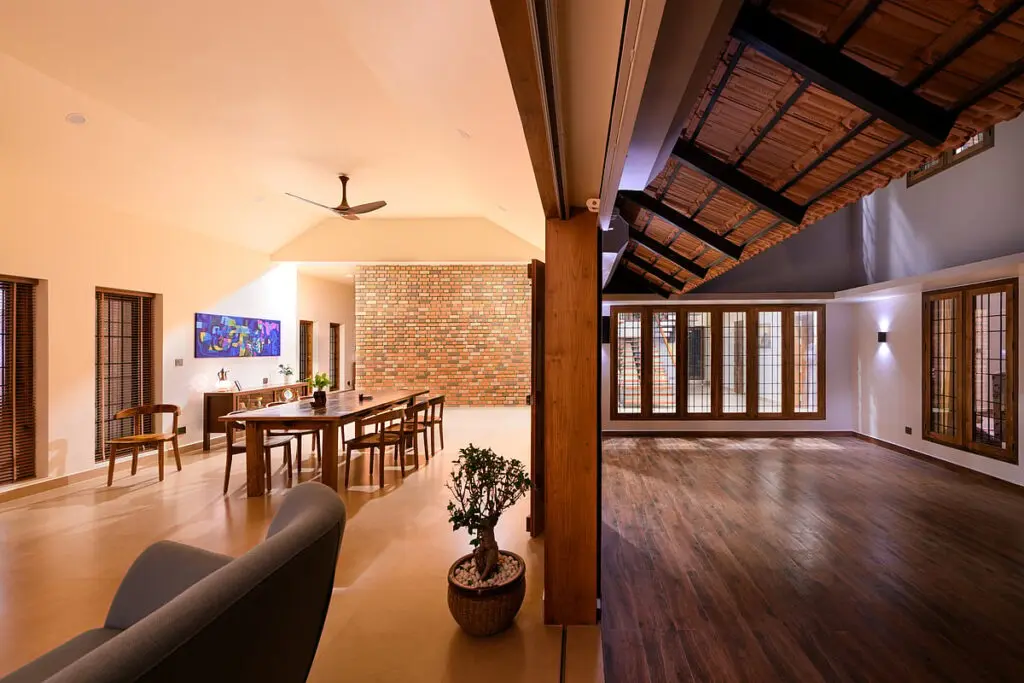
The philosophy focuses on preserving environmental wisdom from vernacular architecture rather than copying old structures. For instance, burnt clay bricks replace concrete, and white interiors maximize daylight without heat gain. Developers are also seeing a commercial advantage, with India now among the world's largest markets for LEED-certified buildings outside the United States.
Indian Opinion Analysis
This trend addresses India's dual challenge of rapid urbanisation and rising energy demand from cooling. The building sector accounts for over a third of India's electricity consumption, and passive design could cut that significantly. The Reserve Bank of India and SEBI do not regulate this directly, but green building certifications like GRIHA and LEED are gaining traction in real estate financing. A key signal to watch is whether state governments mandate climate-responsive design in building bylaws, as Kerala and Rajasthan have begun exploring.
Source: gulfnews.com
This story was synthesised by AI from the source linked above. Methodology and corrections.