













Now Reading: Mohali design studio revives pre-colonial floor-based furniture
-
01
Mohali design studio revives pre-colonial floor-based furniture


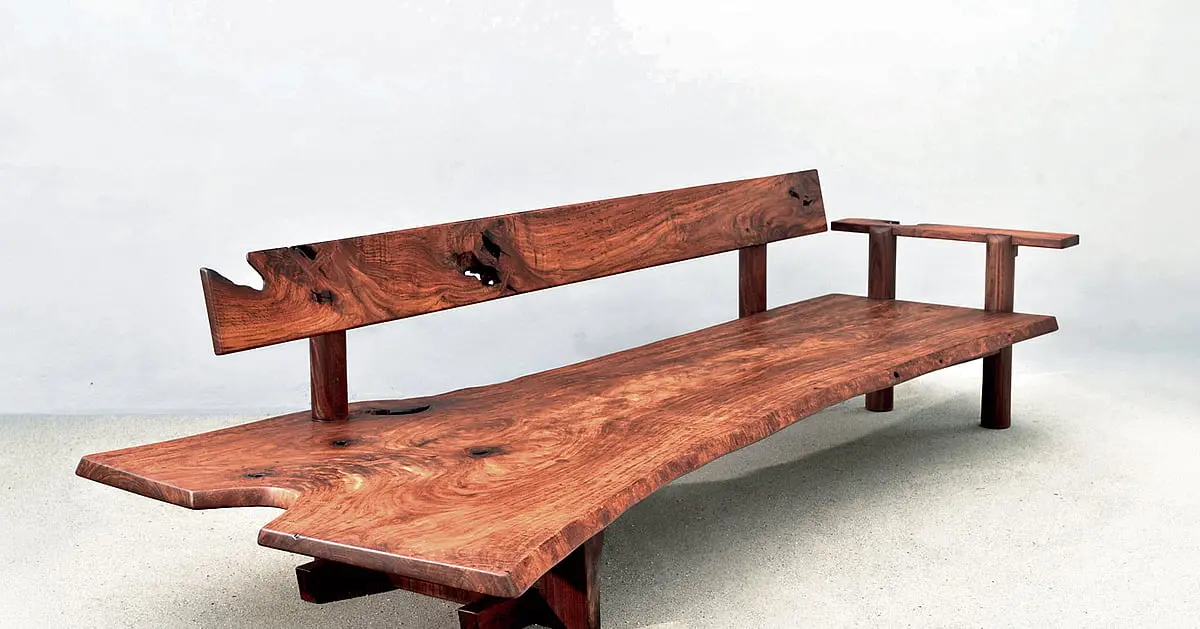
A Mohali-based design practice, Studio PALLAVI, is reimagining Indian furniture by drawing from pre-colonial, floor-based traditions. Founded by Srishti and Pamaljeet, the studio creates pedestals and platforms of varying heights that deliberately resist fixed labels, a piece can serve as a chair one moment and a table the next, depending on how the user chooses to use it. The founders say the aim is to dismantle the consumerist habit of separating objects by function, returning to a minimalist Indian lifestyle where one object served multiple purposes.
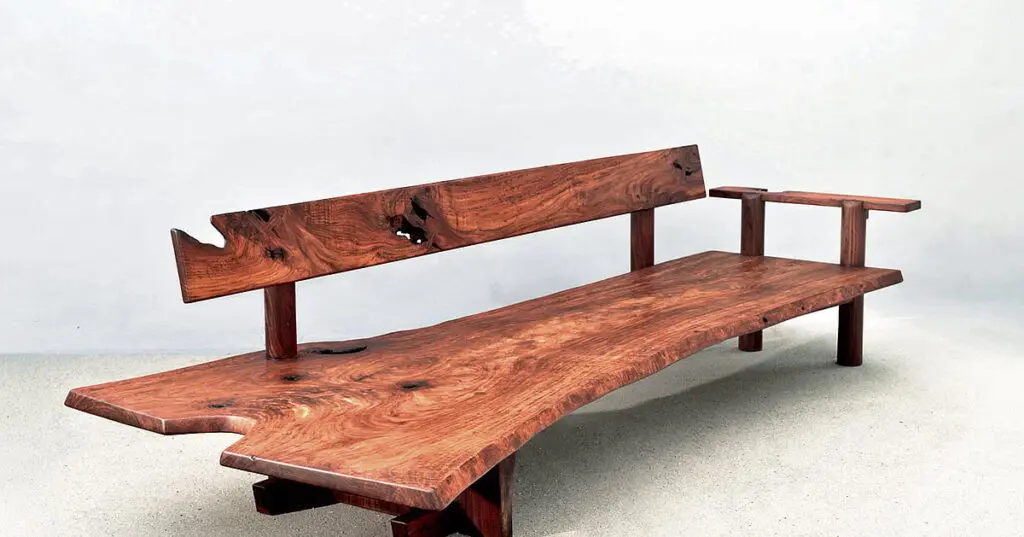
The studio's latest collection uses North Indian rosewood, or sheesham, sourced from Punjab's Malwa region. The century-old trees were seasoned for more than two years before being carved. The low heights of the pieces are designed to encourage movement and engagement rather than locking the body into a prescribed posture. "Since the pieces are low-height, they make the entire body move and help posture," Srishti explained.
Indian Opinion Analysis
Studio PALLAVI's approach echoes a broader shift in Indian design discourse that questions the wholesale adoption of Western ergonomics. Pre-colonial Indian homes used multifunctional, low-seating furniture, charpais, takhts, and floor cushions, that allowed flexible use of space. The studio's choice of sheesham from Malwa is significant: the region's rosewood forests have been depleted by commercial logging, making seasoned century-old timber rare and costly. The real test for Studio PALLAVI will be whether its philosophy can scale beyond bespoke pieces to influence mainstream furniture manufacturing, where cost and standardisation dominate. Watch for design awards or museum acquisitions as signals of institutional validation.
Source: newindianexpress.com
This story was synthesised by AI from the source linked above. Methodology and corrections.