


















Now Reading: Cockroach Movement highlights India’s youth unemployment crisis
-
01
Cockroach Movement highlights India’s youth unemployment crisis


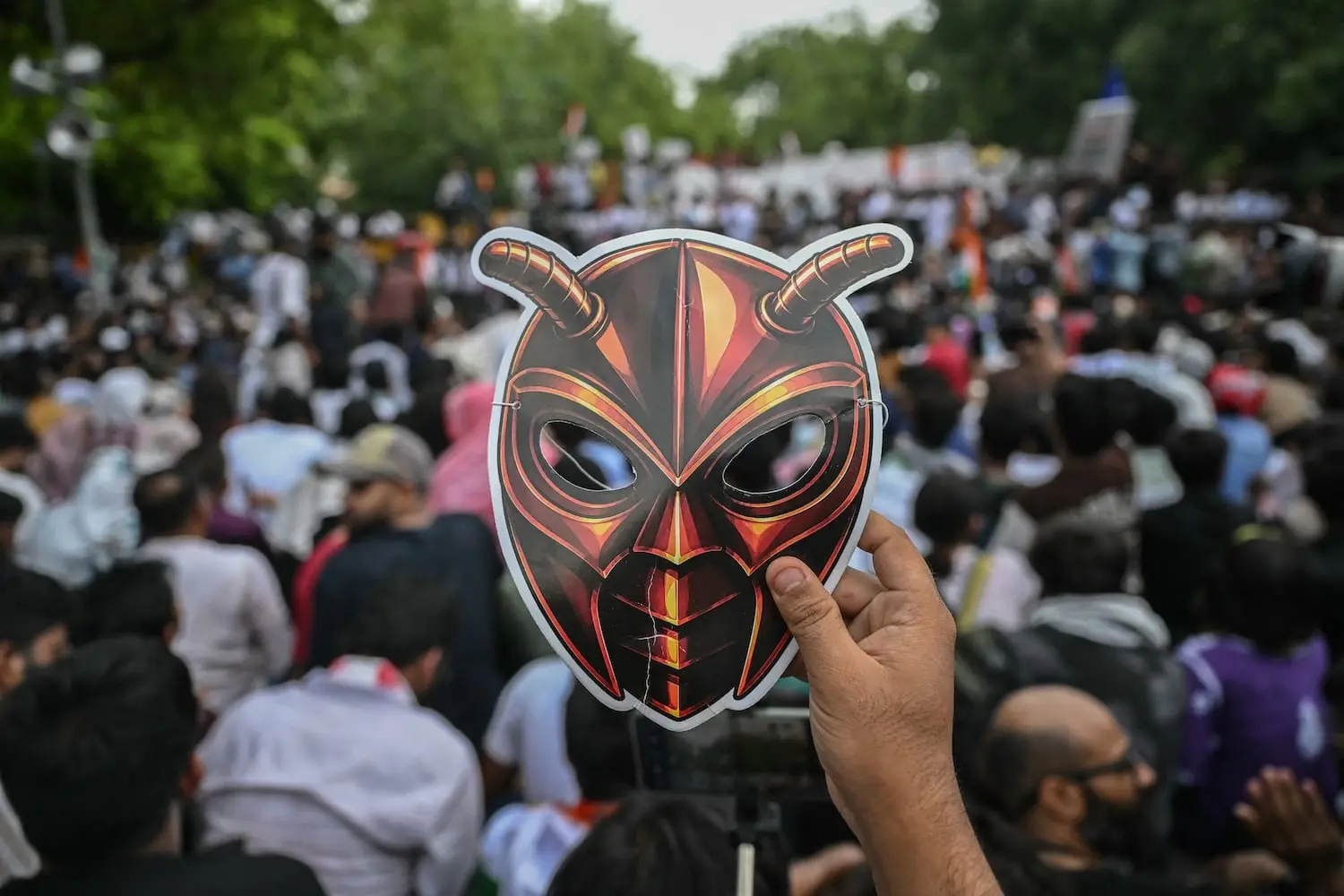
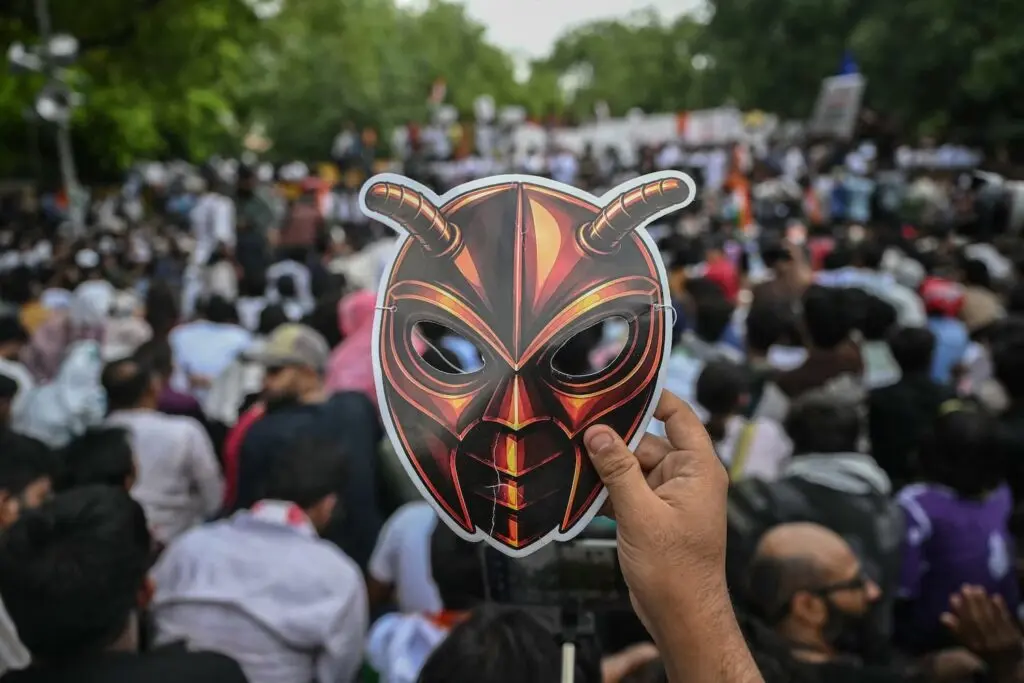
A new political movement in India, the Cockroach Janta Party, has emerged after the chief justice referred to unemployed youth as cockroaches. Young Indians, frustrated with the education system and job market, marched on parliament, facing police crackdowns and internet shutdowns. The protests led to the education minister's resignation, but the underlying economic challenges persist.
Foreign Policy reports that India has 367 million people aged 15-29. The economy added 83 million jobs after the pandemic, but half are in farming. Only 23% of workers have formal employment with regular contracts. Economist Adam Tooze says GDP growth has not produced structural change or enough jobs for graduates. Top-tier institutions like IIT Delhi rank 118th globally, while China dominates the top 10. The informal sector still employs over 75% of the workforce.
Indian Opinion Analysis
The 'Cockroach Movement' is not merely a protest about jobs, it exposes a structural mismatch between India's demographic dividend and its economic model. With 367 million people aged 15-29, the economy has grown but failed to shift workers from agriculture to formal manufacturing or services. The informal sector, where over 75% of workers remain, offers no social security or stable contracts. This mirrors a broader Asian challenge: growth without structural transformation. The education system, despite expanding from 1,600 to 70,000 institutions, still produces graduates the job market cannot absorb. The next signal to watch is whether the government introduces a new employment-linked incentive scheme in the upcoming budget to address this.
Source: foreignpolicy.com
This story was synthesised by AI from the source linked above. Methodology and corrections.