





















Now Reading: Delhi exempts five tree species from felling permission on private land
-
01
Delhi exempts five tree species from felling permission on private land

Delhi exempts five tree species from felling permission on private land

The Story in Brief
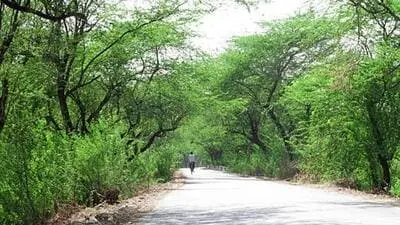
The Delhi government has exempted five fast-growing tree species from prior permission for felling on private agricultural land, through the Delhi Preservation of Trees (Agro-forestry and Exempted Plantation Species) Rules, 2026, notified on 18 November. The species are poplar, safeda (eucalyptus), sejhana, gamari and Malabar neem.
Owners must register plantations on the forest department’s e-Forest portal. For up to ten trees, permission follows within seven working days if no objection is raised, for more than ten, a site inspection is due within 14 working days and permission within three weeks. The exemption does not apply to forests, Ridge areas, deemed forests or land where felling is restricted by law or court order. Timber from these species may be transported without a separate transit permit.
The government said the move aims to encourage agro-forestry, increase green cover, support livelihoods and reduce pressure on natural forests. The Times of India quoted tree activist Bhavreen Kandhari as saying the exemption is ‘concerning’ at a time Delhi is ‘gasping for clean air’ and questioned how authorities will independently verify species and numbers.
Indian Opinion Analysis
Hindustan Times leads with the government’s argument, that the rules aim to encourage agro-forestry, increase green cover and support livelihoods, and includes an official explaining the registration process. The Times of India also carries that reasoning, but closes with a critical quote from a tree activist who calls the exemption ‘concerning’ at a time when Delhi is ‘gasping for clean air.’ The activist’s question about verification is the only note of dissent in either report. Hindustan Times names no critic, so its framing is uniformly pro-government justification, while the Times of India adds the counter-voice, making its stance marginally more balanced. Both report the same notification, the same species list and the same exemption details. The concrete point to watch is whether the random verification mechanism the rules provide for will deter misuse, a concern the activist explicitly raises.
Coverage: 2 sources, 1 pro-government, 1 neutral
Sources (2): hindustantimes.com (pro government), timesofindia.indiatimes.com (neutral report)
This brief was synthesised by AI from the 2 sources linked above, so one read covers every framing they carry. Methodology and corrections.