





















Now Reading: Delhi notifies right to time-bound services Act, 2026
-
01
Delhi notifies right to time-bound services Act, 2026


The Story in Brief
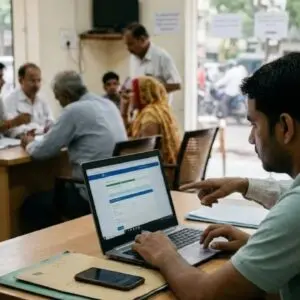
The Delhi government has notified the Delhi (Right of Citizens to Time-Bound and Ease of Delivery of Services) Act, 2026, which gives citizens a legal right to notified government services within prescribed deadlines. The Times of India reports the law replaces the 2011 legislation and will cover services such as new electricity connections, net-metering approvals, factory registration, building plan approvals and liquor licences, likely in phases.

Three-tier accountability is set up: a designated officer, a senior officer as Grievance Redressal Authority, and the Delhi Right to Service Commission, which hears second appeals and imposes penalties. Unjustified delay will carry a penalty of Rs 250 per day, capped at Rs 25,000 per case, with recovery from the official's salary. The penalty can shift to another officer if an inquiry establishes their role.
Applications get a unique tracking number, and unresolved cases escalate automatically to the Citizen Grievance Redressal Authority. The Open notes challenges such as technology gaps and multi-department services. The Act comes into force on a date appointed by the government, with Rules notified on 10 November.
Indian Opinion Analysis
Both outlets deliver straight reporting, though their emphases differ. The Times of India focuses on the mechanics: covered services, the three-tier appeal mechanism, the exact penalty amounts, and what it calls 'where the buck will stop'. It includes supportive expert commentary on ease of living. Open frames the law more cautiously, stressing that it does not automatically cover every service, that a notified list will decide eligibility, and that impact depends on implementation. Both flag similar concerns about technology and awareness. The balanced reading is of a reform that establishes penalties and a commission but whose practical effect rests on the services actually notified and the date the government appoints for the Act to take force.
Coverage: 2 sources, 2 neutral
Sources (2): timesofindia.indiatimes.com (neutral report), openthemagazine.com (neutral report)
This brief was synthesised by AI from the 2 sources linked above, so one read covers every framing they carry. Methodology and corrections.