



















Now Reading: Delhi HC questions right to be forgotten in India Kanoon appeal
-
01
Delhi HC questions right to be forgotten in India Kanoon appeal



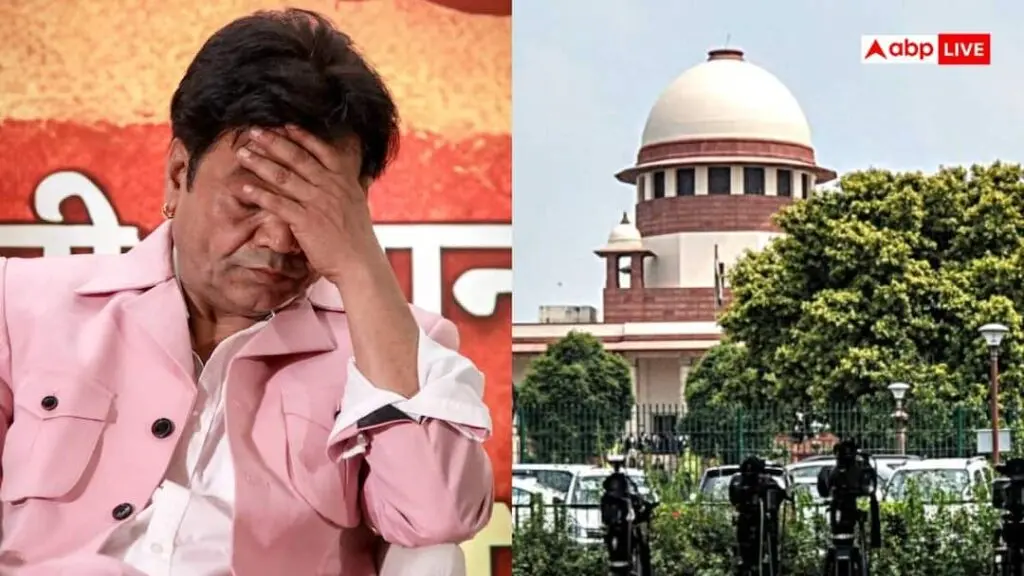
The Delhi High Court on Wednesday set September 2 as the hearing date for appeals by legal database India Kanoon against a single-judge order that directed it to de-index and disable name-based search for certain judicial records to protect the 'right to be forgotten.' A division bench of Justices C Hari Shankar and Vinod Kumar orally observed that public interest favours access to judicial records, asking why one should not be able to search by a party's name, citing the example of Harshad Mehta. The court noted that disabling name-based searches across legal databases would make judgments inaccessible to lawyers and the public.

Senior advocate Arvind Datar, appearing for India Kanoon, argued that the platform hosts court of record judgments that cannot be tampered with, unlike newspaper reports. He highlighted that the May 29 directive only affects India Kanoon, while judgments remain accessible on other platforms like SCC Online and Manupatra. The Bar and Bench report notes that the May 29 single-judge ruling had laid down guidelines for masking personal details in judgments to protect privacy, but the division bench is now examining whether such directives unduly restrict access and single out India Kanoon. Senior advocate Akhil Sibal, opposing the appeal, argued that de-indexed judgments remain accessible via case numbers.
The appeals challenge the single-judge's May 29 order, which recognised a 'right to be forgotten' for litigants discharged or acquitted, and directed search engines and India Kanoon to disable name-based searches. India Kanoon's plea states the order violates its right to freedom of trade under Article 19 and misreads the Supreme Court's Puttaswamy judgment on privacy. The Delhi High Court will hear the matter on September 2.
Indian Opinion Analysis
The Bar and Bench article provides the most detailed legal analysis, emphasising a recent Delhi High Court order that refused to mask the name of a real estate developer in commercial disputes, drawing a distinction between personal privacy and business dealings. The Hindustan Times report focuses on the court's oral observations favouring public access, framing the issue as a clash between privacy and open justice. The second Bar and Bench article highlights India Kanoon's argument that it is unfairly singled out. The pro-privacy stance, represented by Sibal's argument, emphasises stigma from outdated records. A measured reading suggests the court is balancing competing rights: the right to be forgotten for individuals versus the public's right to access judicial records, with a key test being the nature of the information (personal vs. commercial). The outcome of the September 2 hearing will clarify the scope of this right for commercial entities and legal databases.
Coverage: 3 sources, 3 neutral
Sources (3): barandbench.com (neutral report), hindustantimes.com (neutral report), barandbench.com (2) (neutral report)
This story was synthesised by AI from the 3 sources linked above. Methodology and corrections.
Updated: this story now draws on 3 sources.