



Now Reading: Delhi Master Plan 2047 proposes solar power from canals, drains
-
01
Delhi Master Plan 2047 proposes solar power from canals, drains


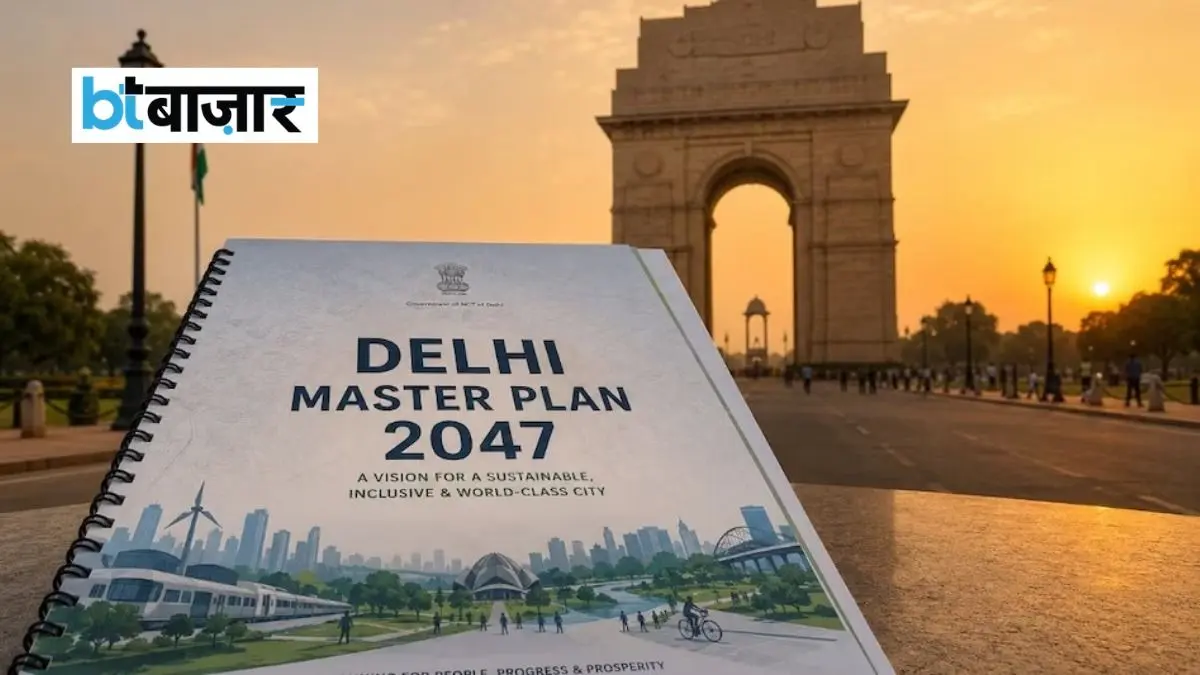
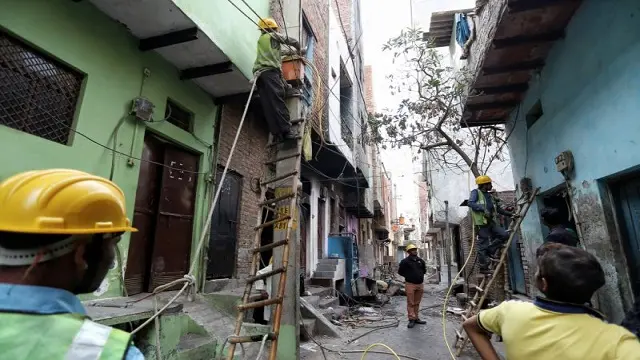
Delhi’s Master Plan 2047, approved by the Delhi Development Authority (DDA), proposes using the city’s canals and drains for solar and hydro power generation. The draft plan also includes an Agriculture-cum-Solar Farm Scheme for greenfield areas, where land can be used for both farming and renewable energy production.
The plan recommends that bus depots and metro stations meet their electricity needs through solar power. These proposals aim to reduce reliance on traditional energy sources by leveraging existing infrastructure. The plan has been sent to the central government for final approval.
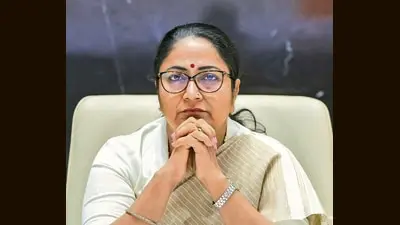
Chief Minister Rekha Gupta had highlighted solar expansion in her green budget last year. If approved, the plan would allow Delhi to boost clean energy production without depending solely on large-scale solar projects. The draft calls for identifying technically and economically viable sites for implementation.
Indian Opinion Analysis
Delhi’s Master Plan 2047 officially integrates renewable energy into urban planning, a first for the city’s long-term blueprint. The proposal exploits existing canal and drain infrastructure, which faces chronic siltation and flooding, raising questions about technical feasibility and maintenance costs. The Agriculture-cum-Solar Farm scheme mirrors the Centre’s PM-KUSUM model, which has seen slow adoption in other states due to land-use conflicts. Bus depots and metro stations are state utility BSES and DMRC’s largest power consumers, retrofitting them for solar could cut the city’s peak demand by an estimated 2-3%. The key number to watch is the Centre’s approval timeline, typically six to 12 months for master plan modifications, and whether DDA budgets separately for feasibility studies.
Source: bazaar.businesstoday.in
This story was synthesised by AI from the source linked above. Methodology and corrections.