












Now Reading: Delhi Master Plan 2047 unveiled, 40 lakh affordable homes planned
-
01
Delhi Master Plan 2047 unveiled, 40 lakh affordable homes planned


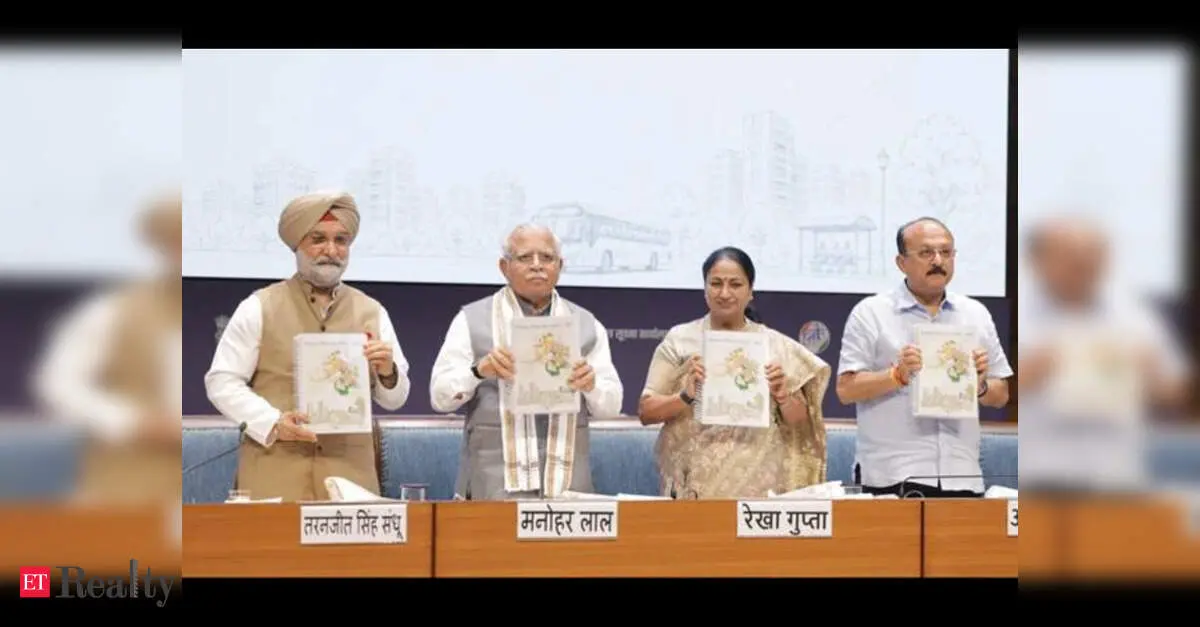
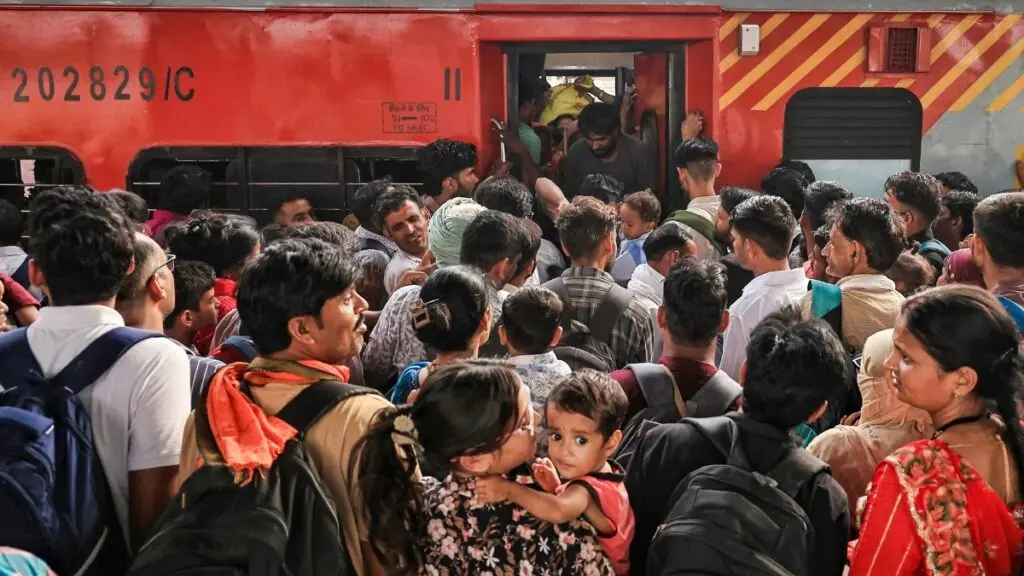
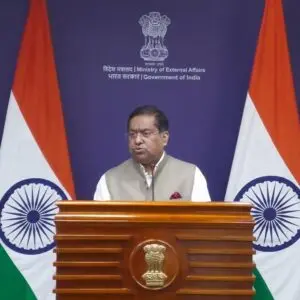
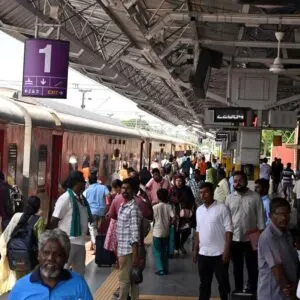
Union minister Manohar Lal unveiled the Delhi Master Plan 2047 on August 20, 2026, envisaging about 40 lakh new affordable housing units. The plan includes transit-oriented development along metro corridors to generate around 18 lakh affordable homes, redevelopment of old colonies by reducing minimum area requirements from 40,000 sq m to 3,000 sq m, and regularisation of unauthorised colonies benefiting about 45 lakh residents.
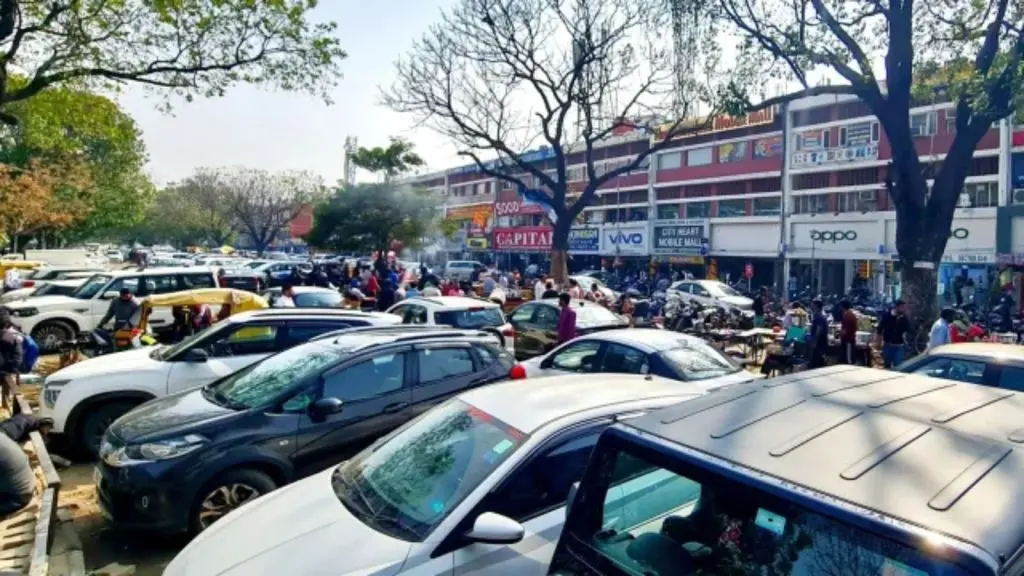
The plan proposes dynamic parking charges during peak hours in congested areas and suggests exploring Bus Rapid Transit System (BRTS) on identified routes, as reported by India Today. It also includes heritage conservation of around 1,500 assets, ecological restoration of 1,700 hectares of Yamuna floodplains, and development of Narela as an education hub and Dwarka as an investment hub. Implementation will use town planning schemes and land pooling policy for planned urban expansion.
Indian Opinion Analysis
The three sources largely report the same facts, but with different emphasis. ET Realty leads with housing numbers and quotes industry praise, framing the plan as growth-oriented. NDTV summarises key proposals neutrally. India Today focuses on the transport proposals, dynamic parking charges and possible BRTS return, which were contentious in the past, giving its report a more critical tone about implementation challenges. A careful reader should note the plan is ambitious but implementation details and local body actions will determine outcomes. Watch for local body parking plans and the fate of any BRTS proposal.
Coverage: 3 sources, 1 pro-government, 1 neutral, 1 sensationalist
Sources (3): realty.economictimes.indiatimes.com (pro government), ndtv.com (neutral report), indiatoday.in (sensationalist)
This story was synthesised by AI from the 3 sources linked above. Methodology and corrections.
Updated: this story now draws on 3 sources.