





Now Reading: Delhi Police defends plainclothes ‘spotters’ at CJP protest in Supreme Court
-
01
Delhi Police defends plainclothes ‘spotters’ at CJP protest in Supreme Court

Delhi Police defends plainclothes ‘spotters’ at CJP protest in Supreme Court

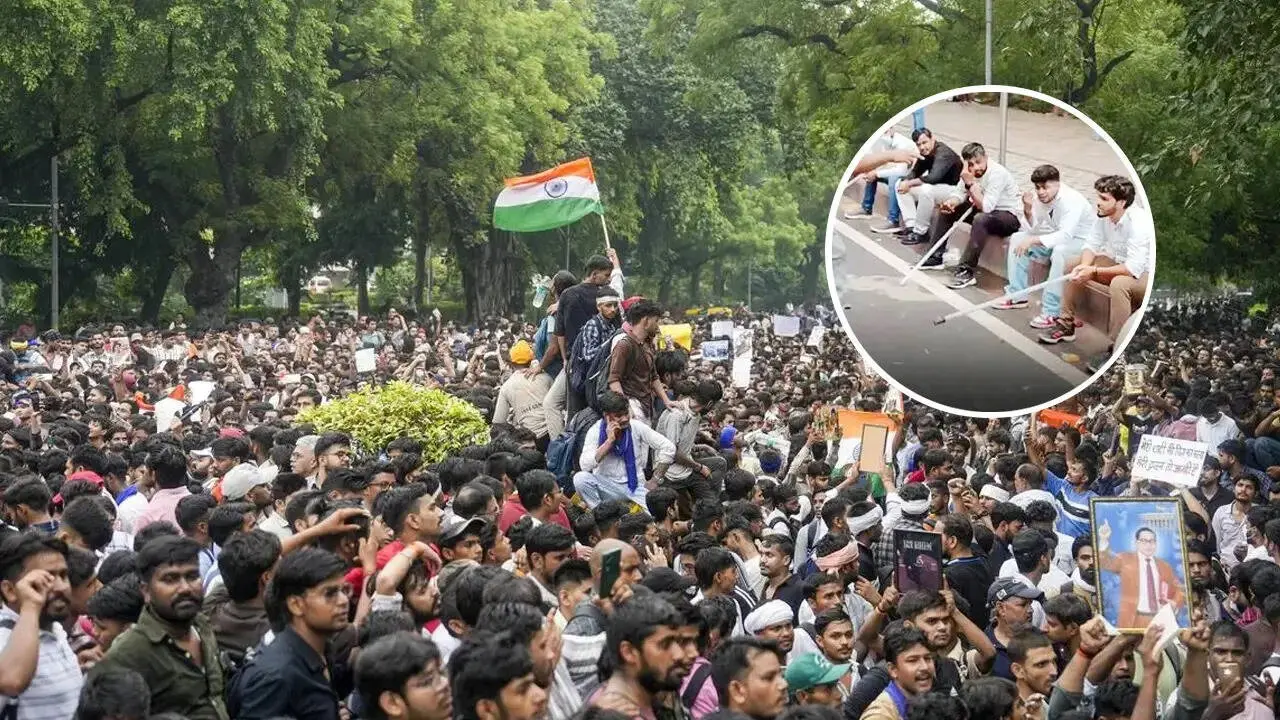
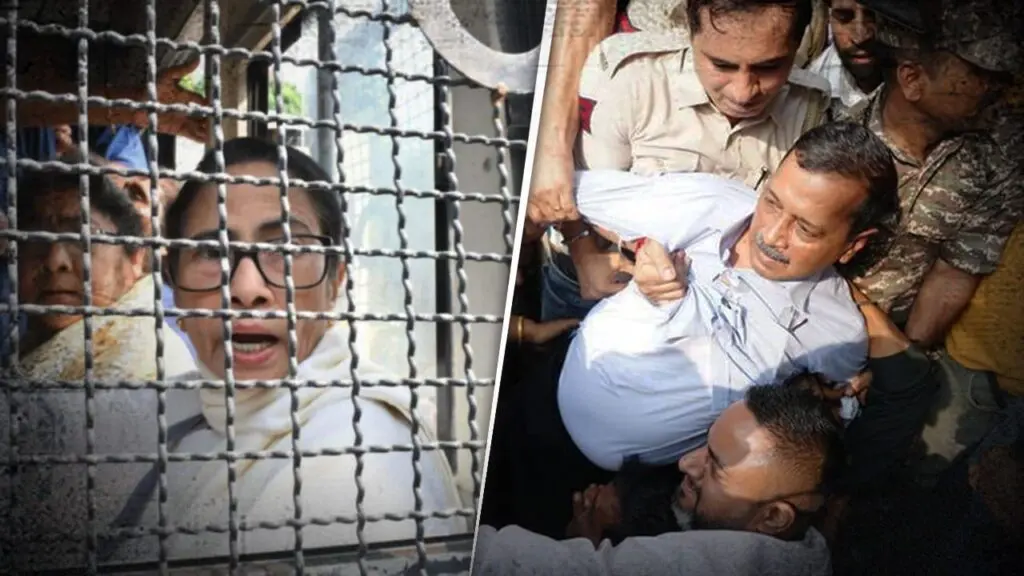
Delhi Police has told the Supreme Court that plainclothes personnel deployed during the July 20 Cockroach Janta Party (CJP) protest were 'spotters' drawn from Special Branch, Special Cell, Crime Branch and local police. In a counter-affidavit filed by Deputy Commissioner of Police Sachin Sharma, the police said the deployment was neither illegal nor unusual, comparing it to crowd-control tactics used at Independence Day and Republic Day events. The police denied allegations of excessive force, claiming footage of plainclothes officers with lathis had been presented out of context.
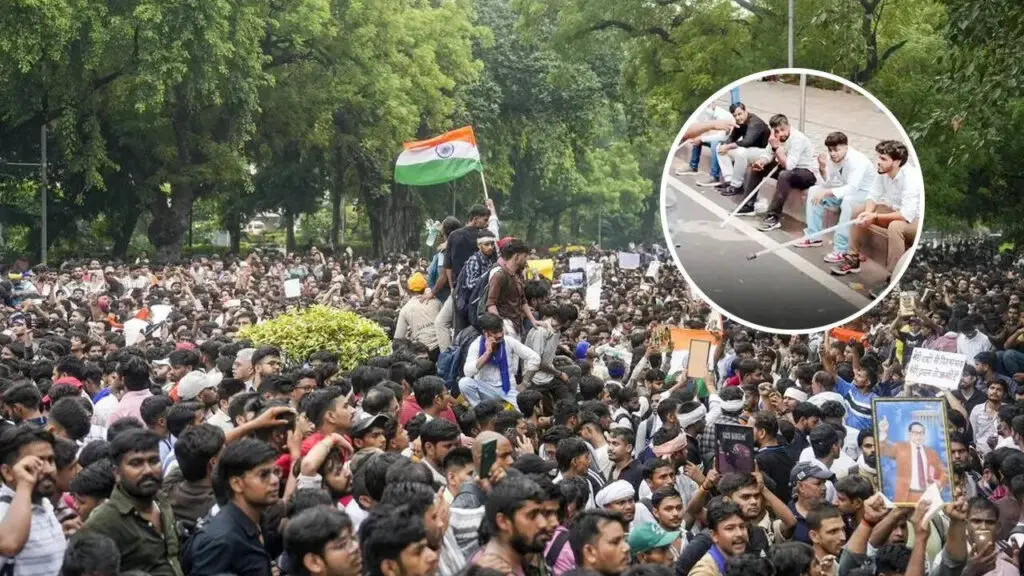
The police said the protest turned violent after sections of the crowd breached barricades and attempted to march towards Parliament. Around 5,000 police personnel were deployed for over 30,000 protesters spread across 3 km. More than 240 police and 200 members of the public were injured. The police argued that anti-social elements and history-sheeters had infiltrated the protest, and said around 2,873 people at the site had criminal records, including charges of murder and rape.
The Supreme Court said on Tuesday it would constitute a high-powered committee comprising retired apex court and high court judges, a former DGP, and an ex-CBI director to examine allegations of police excesses and violence against police personnel. The committee will conduct fact-finding. The court also heard arguments on the use of facial recognition technology, which police said was used only to match faces against criminal databases. The court said it would decide the legal questions itself. An order on the committee is expected on Wednesday.
Delhi Police has told the Supreme Court that plainclothes officers deployed during the July 20 Cockroach Janta Party (CJP) protest were 'spotters' and the deployment was legal. The police denied excessive force, saying the protest turned violent after barricades were breached. Over 240 police and 200 protesters were injured. The Supreme Court will set up a high-powered committee to probe police excesses and violence against police. The court will decide separately on the legality of facial recognition technology used at the site.
Indian Opinion Analysis
The coverage of Delhi Police's Supreme Court affidavit is nearly uniform straight reporting across the three outlets. ABP Live and Times Now both lead with the plainclothes 'spotters' defence and reproduce the police's own framing: the protest turned violent, barricades were breached, anti-social elements infiltrated. Bar & Bench focuses on facial recognition technology, adding legal arguments from petitioners Menaka Guruswamy and N Hariharan that the court's analysis of this issue is absent from the other outlets. No source questions the police account of events or gives significant weight to petitioners' allegations of excess. The measured takeaway: the Supreme Court has reserved legal questions on facial recognition for itself while tasking a committee with fact-finding on the violence. Watch for the committee's composition and terms of reference, expected Wednesday.
Coverage: 3 sources, 3 neutral
Sources (3): news.abplive.com (neutral report), timesnownews.com (neutral report), barandbench.com (neutral report)
This story was synthesised by AI from the 3 sources linked above. Methodology and corrections.
Updated: this story now draws on 3 sources.