







Now Reading: Delhi Police opposes fresh bail pleas by Umar Khalid, Sharjeel Imam
-
01
Delhi Police opposes fresh bail pleas by Umar Khalid, Sharjeel Imam


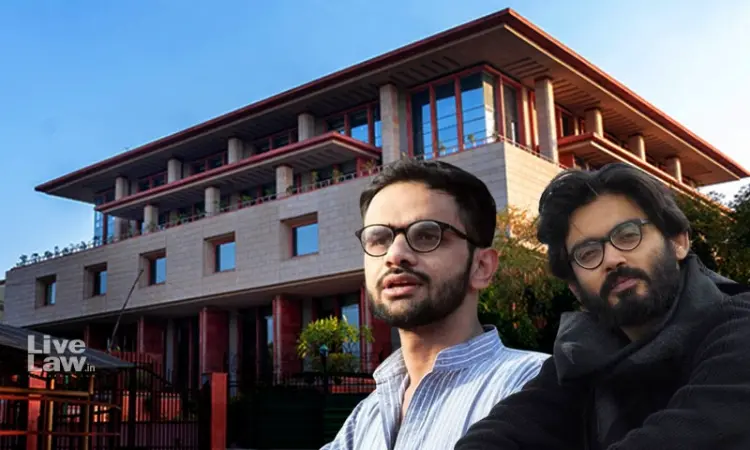
Delhi Police has opposed fresh bail pleas by Umar Khalid and Sharjeel Imam in the 2020 Delhi riots larger conspiracy case, calling them 'illegal' and an attempt to mislead the court. In affidavits filed before the Delhi High Court, the police said there has been no change in circumstances since the Supreme Court's January order denied bail to both under the Unlawful Activities (Prevention) Act (UAPA). The police cited the apex court's ruling in the Gulfisha Fatima case, which granted bail to five co-accused but refused Khalid and Imam, describing them as 'masterminds' of the riots.
The police argued that the accused cannot rely on a subsequent Supreme Court judgment in the Syed Iftikhar Andrabi case, which they claim is unrelated to the Delhi riots. The trial court had earlier rejected their third bail applications, noting that the Supreme Court's January order had put an 'embargo' against granting bail to Khalid and Imam unless protected witnesses are examined or one year elapses. The High Court issued notice on the pleas last month and will hear the matter along with pending bail petitions.
Indian Opinion Analysis
Both sources offer straight reporting on the police's opposition, with no discernible editorial slant. The coverage is uniform: the police argue no change in circumstances, cite the Supreme Court's January order, and dismiss the relevance of the Andrabi judgment. The key difference is that livelaw.in provides more legal background on the trial court's reasoning and the larger bench referral, while Times of India focuses on the police's wording. The balanced reading: the bail battle turns on whether the Supreme Court's own referral of the issue to a larger bench constitutes a material change in circumstance, a question the High Court will now decide.
Coverage: 2 sources, 2 neutral
Sources (2): livelaw.in (neutral report), timesofindia.indiatimes.com (neutral report)
This brief was synthesised by AI from the 2 sources linked above, so one read covers every framing they carry. Methodology and corrections.
Updated: this story now draws on 2 sources.