



















Now Reading: Delhi Jal Board wins Rs 924-crore NMCG nod for two sewage plants
-
01
Delhi Jal Board wins Rs 924-crore NMCG nod for two sewage plants


The Story in Brief
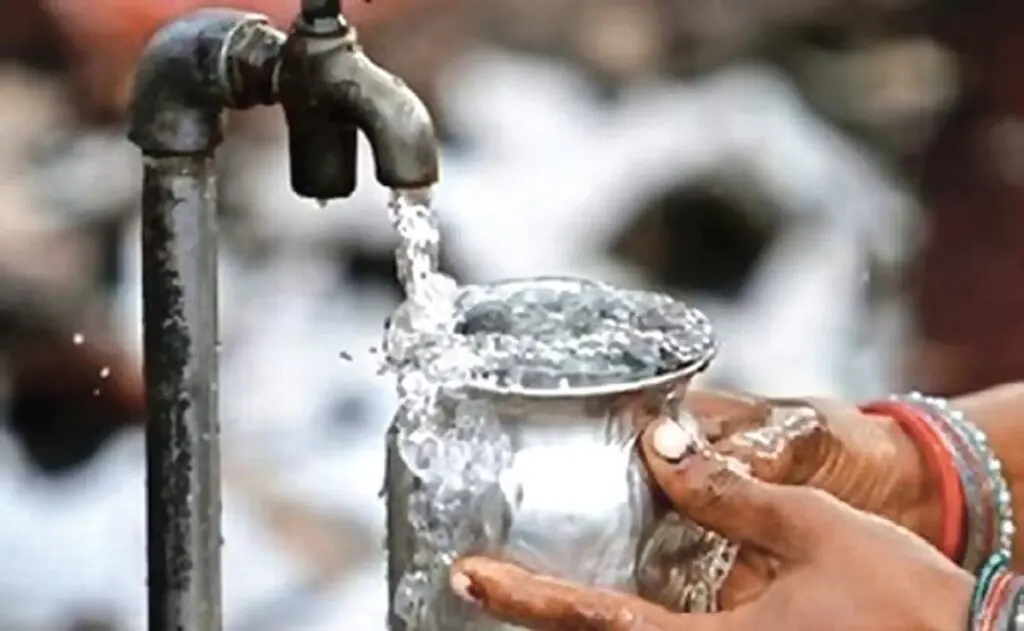
The National Mission for Clean Ganga (NMCG) has approved two Delhi Jal Board (DJB) sewage treatment projects worth Rs 924 crore, officials said. The projects will add 49 million gallons per day (MGD) of capacity at Rohini (35 MGD, Rs 642.43 crore) and Pappankalan (14 MGD, Rs 281.61 crore).
The Rohini plant will intercept sewage from 21 drains, reducing untreated discharge into the Supplementary Drain and Yamuna. The Pappankalan plant, serving about 4.5 lakh people by 2043, will address only part of the problem: it treats seven MGD from the Palam drain, with 11.7 MGD of untreated sewage from other drains requiring separate schemes.
The approvals are part of DJB's three-pronged sewage management plan: upgrading 37 existing STPs (work on 28 completed), setting up 29 decentralised STPs for outer areas, and building STPs to treat drain sewage. Capex is borne by NMCG under Namami Gange, DJB will pay opex for 15 years. Separately, DJB is replacing 733 km of old pipelines and laying 606 km of new lines under a Rs 6,044-crore South Delhi water supply revamp.
Indian Opinion Analysis
Hindustan Times gives the water-supply project a thorough, neutral engineering-description frame, length, cost, constituencies, smart-meter anti-leak alerts, and the only outlet quoted is DJB. New Indian Express covers a separate but linked story: the NMCG approval of two sewage treatment plants. Its reporting is also straight, but it flags a limitation the DJB does not discuss: the Pappankalan plant will treat only seven MGD of the 18.7 MGD of untreated sewage from seven drains, leaving 11.7 MGD to be handled by separate DSTP schemes yet to be built. Where Hindustan Times stays inside the DJB’s announcement, New Indian Express adds the execution gap. Both are neutral-report, so the uniform reading is that Delhi’s water infrastructure upgrade has substantial approvals, the open point is whether the sewage capacity gap will be closed alongside the network revamp.
Coverage: 2 sources, 2 neutral
Sources (2): hindustantimes.com (neutral report), newindianexpress.com (neutral report)
This brief was synthesised by AI from the 2 sources linked above, so one read covers every framing they carry. Methodology and corrections.
Update, 14 October 2026: this story now draws on 2 sources.