
















Now Reading: Delhi notifies 2026 slum rehab policy, 5 lakh families to get homes
-
01
Delhi notifies 2026 slum rehab policy, 5 lakh families to get homes


The Story in Brief
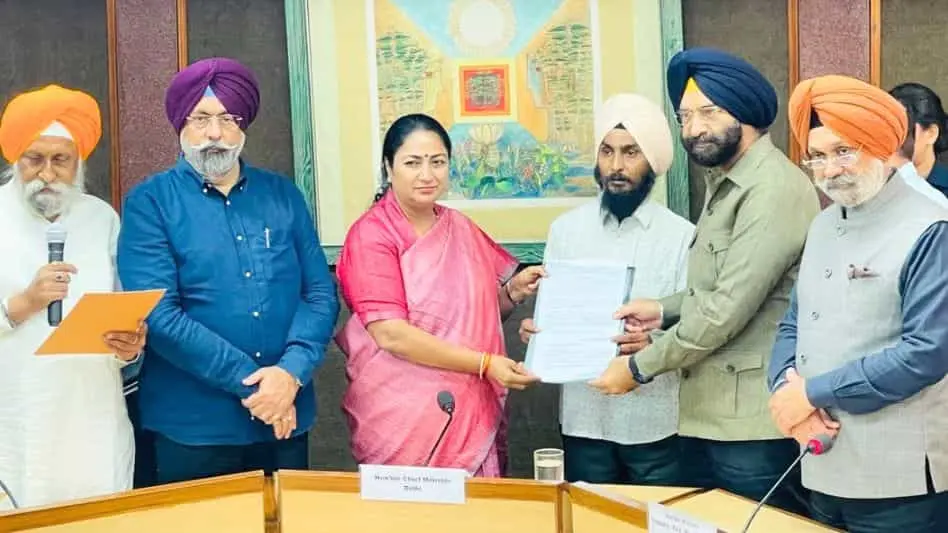
The Delhi government on Thursday, 5 November 2026, notified the Delhi Slum and Jhuggi Jhopri Relocation and Rehabilitation Policy, 2026, which is expected to benefit around four to five lakh families, covering nearly 20 lakh people, according to government officials cited by Indian Express and India Today. Chief Minister Rekha Gupta said the objective was to ensure eligible families could move into permanent homes and lead a life of dignity and security, India Today reports.
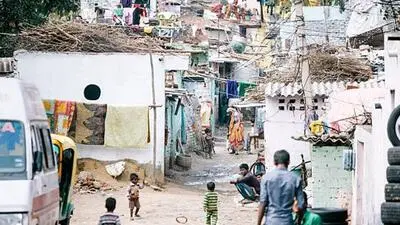
The policy extends eligibility to families living in settlements established before 1 January 2025 and prioritises in-situ rehabilitation at the existing site or within a 3 km radius. Eligible families will receive one-bedroom, hall and kitchen flats in complexes that include schools, anganwadi centres, healthcare facilities and playgrounds. The government will maintain common infrastructure for five years from the first allotment. The Delhi Urban Shelter Improvement Board has invited bids for feasibility studies for redeveloping 17 settlements in Seelampur, Sultanpuri and Lajpat Nagar.
Update, 5 November 2026: The Delhi government formally notified the 2026 slum rehabilitation policy on Thursday, 5 November 2026. Indian Express and India Today report it will benefit up to five lakh families and provide 1-BHK flats. Chief Minister Rekha Gupta said the policy prioritises in-situ rehabilitation within 3 km of existing settlements.
Indian Opinion Analysis
The Hindu's editorial focuses on legal principles and procedural safeguards, arguing for an enforceable in-situ-first rule and citing court judgments, while it does not report the notification or the Chief Minister's statement. In contrast, Indian Express and India Today lead with the notification and Gupta's announcement, emphasising the scale (5 lakh families) and the promise of permanent homes. Hindustan Times provides a detailed breakdown of the PPP model and the 17 settlements. All three news outlets present the policy as a positive development, with Indian Express and India Today quoting Gupta's welfare language, no source carries criticism of the policy itself. The uniform framing suggests a broad consensus on the policy's intent, with The Hindu alone questioning implementation safeguards. The next step is the four-month feasibility study for the first three sites.
Coverage: 4 sources, 1 government-critical, 3 neutral
Sources (4): thehindu.com (government critical), hindustantimes.com (neutral report), indianexpress.com (neutral report), indiatoday.in (neutral report)
This brief was synthesised by AI from the 4 sources linked above, so one read covers every framing they carry. Methodology and corrections.