



















Now Reading: H1N1 cases in Delhi may be six times higher than reported
-
01
H1N1 cases in Delhi may be six times higher than reported



A leading Delhi pulmonologist warns that H1N1 influenza cases in the capital are likely six times the official count because many patients are not tested. Dr GC Khilnani of PSRI Institute of Pulmonary, Critical Care and Sleep Medicine told Times Now that vulnerable groups, such as those above 70 or with diabetes or chronic lung disease, face serious illness and some are already on ventilators.
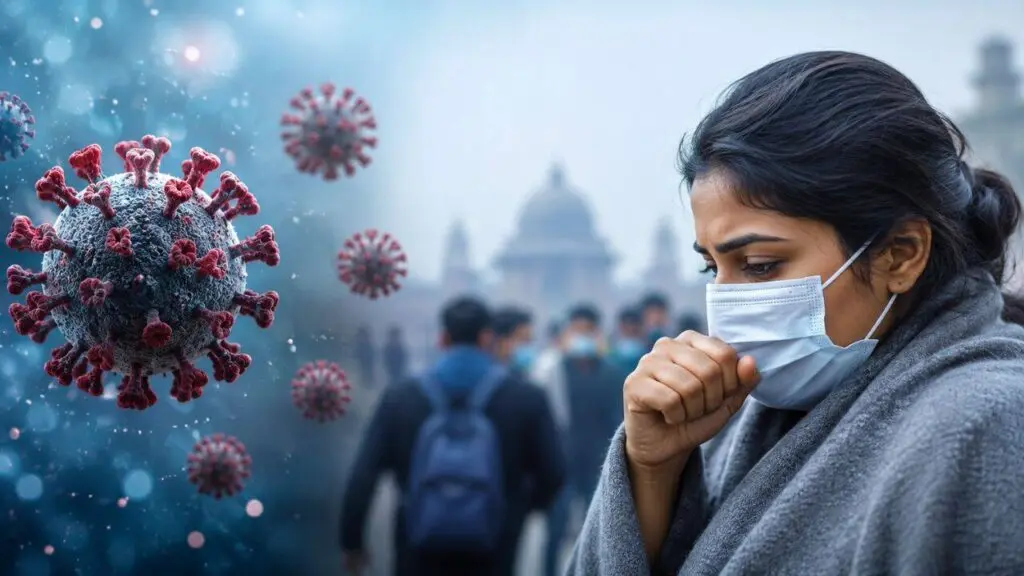
The current H1N1 strain is self-limiting in healthy people, the doctor said, but those with weakened immunity, on long-term steroids or cancer treatment should watch for red flags: breathlessness at rest, oxygen saturation below 92 per cent, drowsiness, or bluish lips. Antiviral oseltamivir must be started within 48 hours of symptoms. NDTV separately quoted other doctors urging workplace hygiene and vaccination, stressing that flu shots available in India protect against H1N1.
Dr Khilnani advised people with warning signs to seek urgent medical care. The World Health Organisation lists older adults, young children, pregnant women, and those with chronic conditions as high-risk for severe flu complications.
Indian Opinion Analysis
Dr. Khilnani estimates true H1N1 cases at six times reported numbers, a gap that matters for resource planning. Both doctors agree on risk groups and the importance of early antivirals, but the framing differs: Times Now highlights a ventilator warning tied to underreporting, while NDTV offers general prevention checklists without citing case gaps. The actual concern is whether under-testing delays treatment for vulnerable patients. Delhi's monitoring data and hospital bed availability will show if the surge strains ICUs.
Coverage: 2 sources, 1 neutral, 1 sensationalist
Sources (2): ndtv.com (neutral report), timesnownews.com (sensationalist)
This brief was synthesised by AI from the 2 sources linked above, so one read covers every framing they carry. Methodology and corrections.
Updated: this story now draws on 2 sources.