
















Now Reading: Delhi H1N1 cases rise, experts say virus not more virulent
-
01
Delhi H1N1 cases rise, experts say virus not more virulent



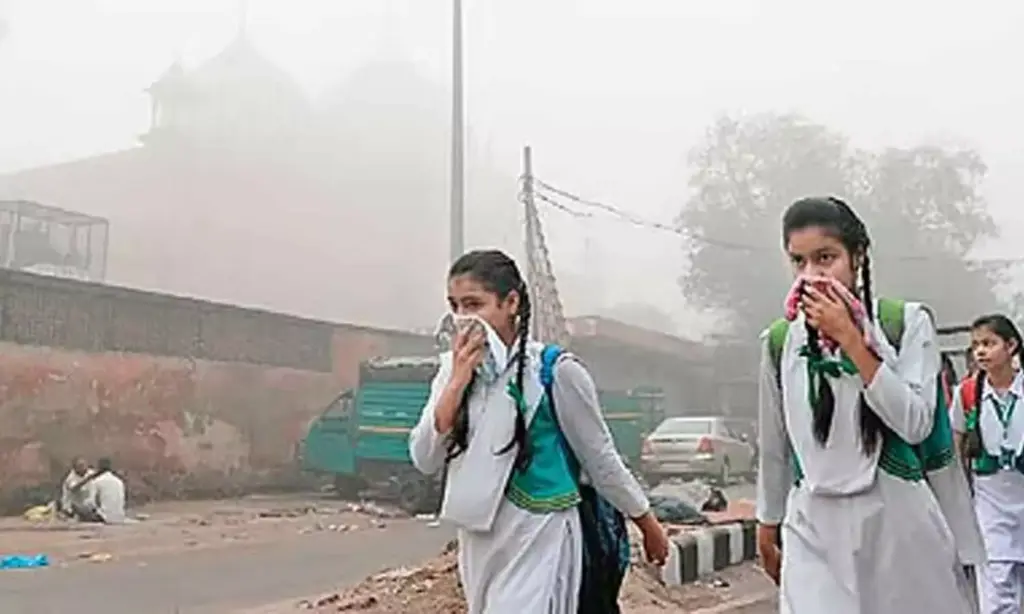
Delhi and parts of North India have seen a rise in H1N1 influenza cases in recent weeks. The Delhi government has issued a public health advisory urging respiratory hygiene measures, while NDTV reports that schools have been advised to keep unwell children at home.

Health experts cited by Rediff.com have confirmed that the circulating H1N1 strain is not new or more virulent. Former WHO chief scientist Dr Soumya Swaminathan stated that the increase is consistent with seasonal flu activity. Most infections are mild and self-limiting, resolving within three to five days with rest and hydration.
High-risk groups, including the elderly, young children, pregnant women, and those with chronic illnesses, are advised to take precautions. Warning signs such as breathlessness warrant immediate medical attention. ICMR sources said no new strain has been identified and the current vaccines are well-matched.
Indian Opinion Analysis
NDTV's advisory-focused coverage emphasises government precautionary messaging, while Rediff.com leads with expert reassurances that the virus is not more dangerous. Both sources agree the strain is known and seasonal, but NDTV omits the detailed expert commentary Rediff provides. The balanced reading is that while cases are rising, there is no evidence of increased virulence, making the public health response proportionate. The key data point is whether hospitalisation rates for severe complications rise in the coming weeks.
Coverage: 2 sources, 2 neutral
Sources (2): ndtv.com (neutral report), rediff.com (neutral report)
This story was synthesised by AI from the 2 sources linked above. Methodology and corrections.
Updated: this story now draws on 2 sources.