













Now Reading: Doctors warn against snakebite myths as monsoon raises risk
-
01
Doctors warn against snakebite myths as monsoon raises risk


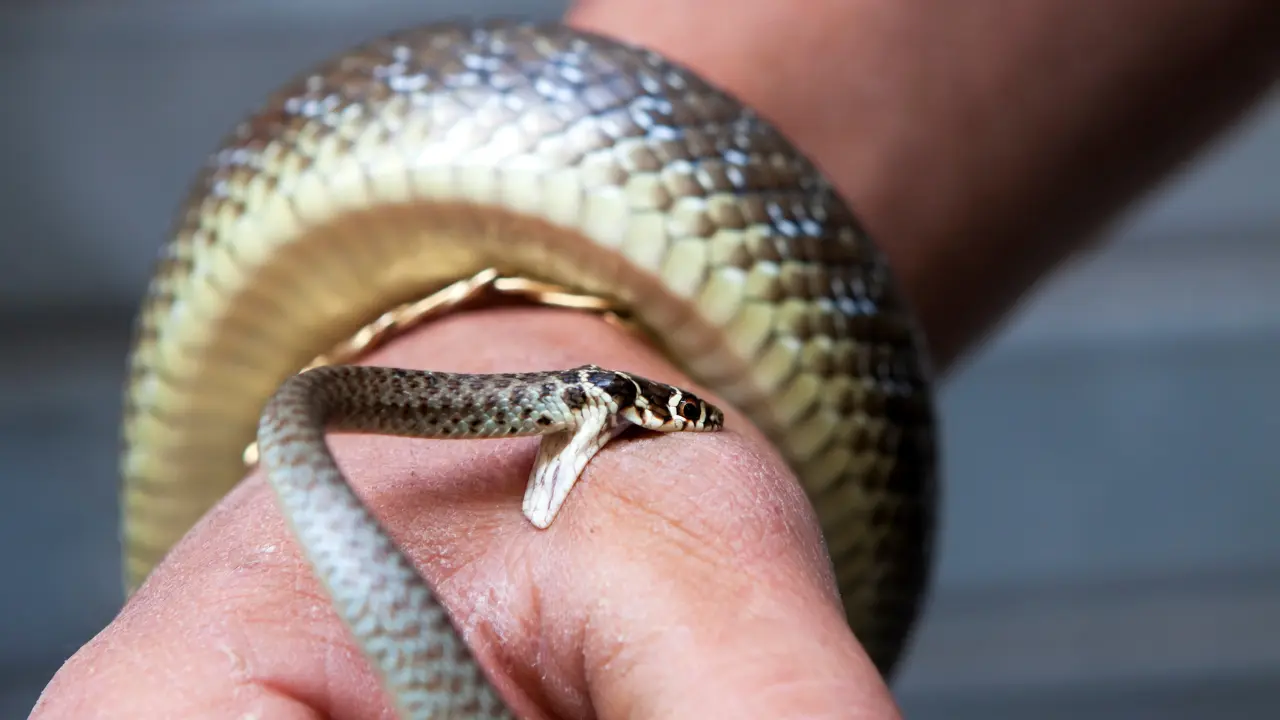
With the monsoon season bringing snakes closer to human settlements, doctors are urging people to treat every suspected snakebite as a medical emergency and avoid traditional home remedies. Dr Gunjan Chanchalani, Director of Critical Care at Wockhardt Hospital in Mumbai Central, said the most important step is to take the victim to a hospital that can provide anti-snake venom when needed, without wasting time on ineffective first-aid practices.
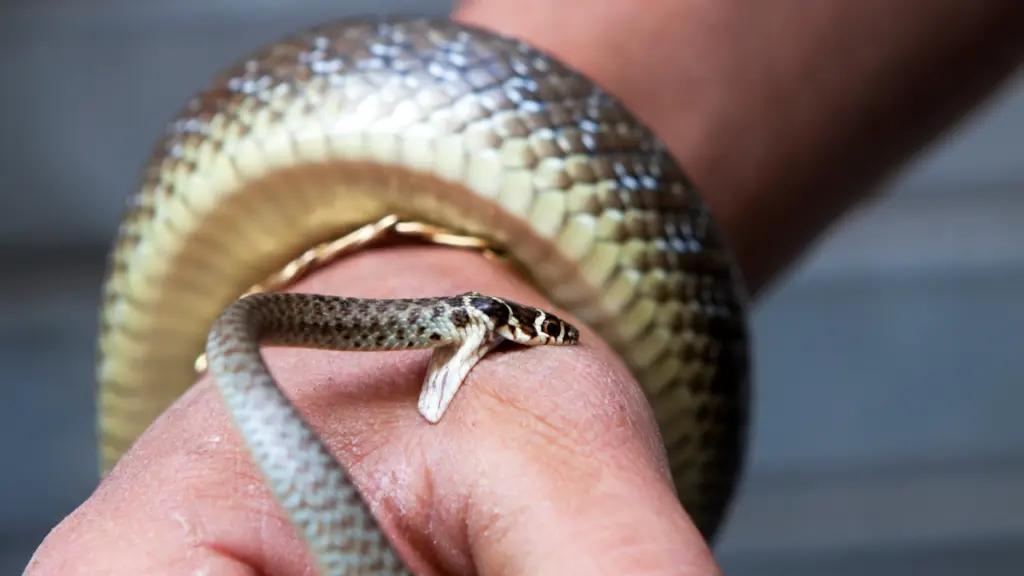
Doctors advise keeping the person calm and still to slow venom spread, immobilising the bitten limb, and removing rings, watches or bangles before swelling worsens. Harmful practices to avoid include cutting the wound, sucking out venom, applying ice or herbs, using a tourniquet, and consuming alcohol. Identifying the snake from a safe distance may help, but should never delay hospital care.
Indian Opinion Analysis
India accounts for nearly half of the world's 1.2 lakh annual snakebite deaths, most occurring in rural areas during monsoon when flooded fields and homes increase encounters. The WHO set a 2030 target to halve snakebite mortality, but lack of awareness about proper first-aid and uneven access to anti-venom remain obstacles. Every year about 5 million bites are recorded in India, timely treatment can cut fatality to below 1%. The next state-level monsoon alerts will signal when cases peak.
Source: timesnownews.com
This story was synthesised by AI from the source linked above. Methodology and corrections.