












Now Reading: Dostoevsky’s wisdom: the clever call themselves fools
-
01
Dostoevsky’s wisdom: the clever call themselves fools


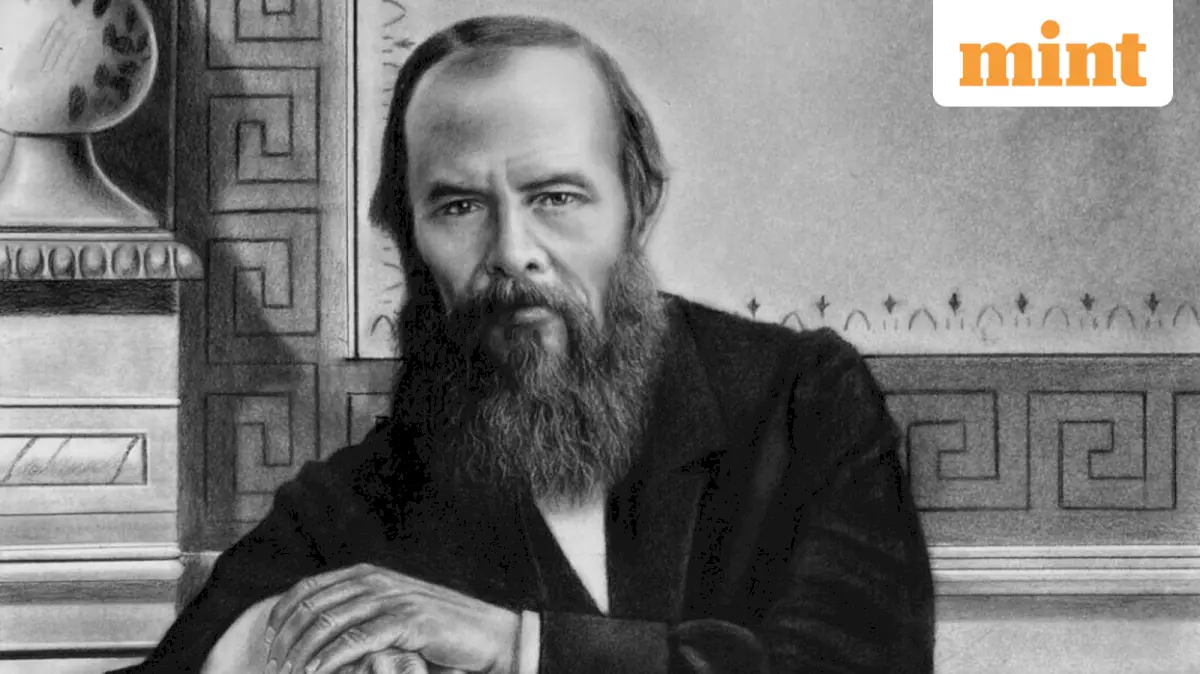
Russian novelist Fyodor Dostoevsky's observation that “the cleverest of all, in my opinion, is the man who calls himself a fool at least once a month” has resurfaced as a viral quote,…
The Story in Brief
Russian novelist Fyodor Dostoevsky's observation that “the cleverest of all, in my opinion, is the man who calls himself a fool at least once a month” has resurfaced as a viral quote, Livemint reports. The line, from his 1873 short story Bobok, endures because it challenges the idea that intelligence means never being wrong. Dostoevsky suggests wisdom lies in intellectual humility: acknowledging one's own mistakes creates room for learning, while certainty traps knowledge inside ego.
The quote resonates in an age of confident public opinion, from boardrooms to social media. Dostoevsky, who survived a mock execution and Siberian exile, repeatedly explored how pride and self-deception corrupt reason. In Crime and Punishment, Raskolnikov's arrogance leads him to rationalise murder, only to be undone by psychological guilt. The danger, as Livemint notes, is not intelligence itself but certainty detached from self-examination.
The Indian Opinion
The internet loves a comforting aphorism, but Dostoevsky's line is sharper than the usual self-help fare. It cuts against the modern cult of confidence, where admitting doubt is treated as weakness. Yet the same quote can be twisted into a pose: performative self-deprecation is just another mask for ego. The real test is whether a person actually changes their mind when confronted with evidence. Watch for that in the next heated argument, online or in Parliament. Will anyone say, 'I was wrong'? That is the measure of wisdom the quote demands.
Source: livemint.com
This story was synthesised by AI from the source linked above.