



















Now Reading: DRDO successfully tests HAPS at 21 km altitude
-
01
DRDO successfully tests HAPS at 21 km altitude


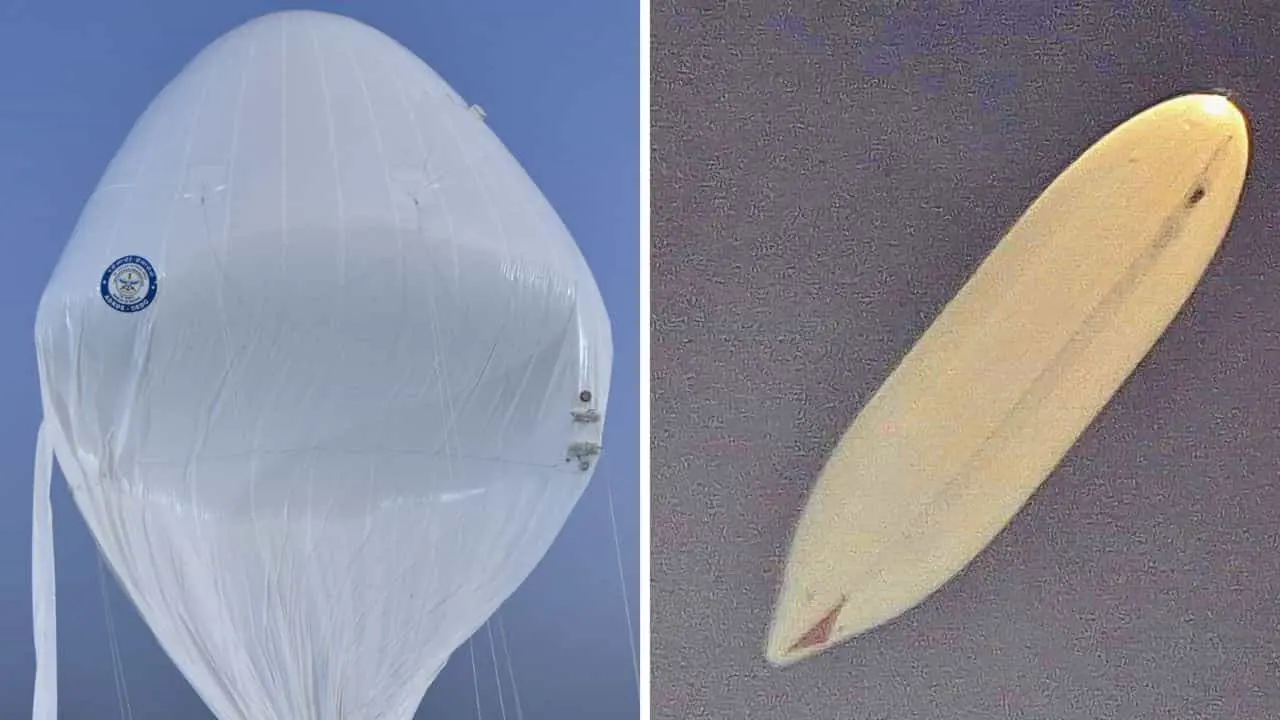
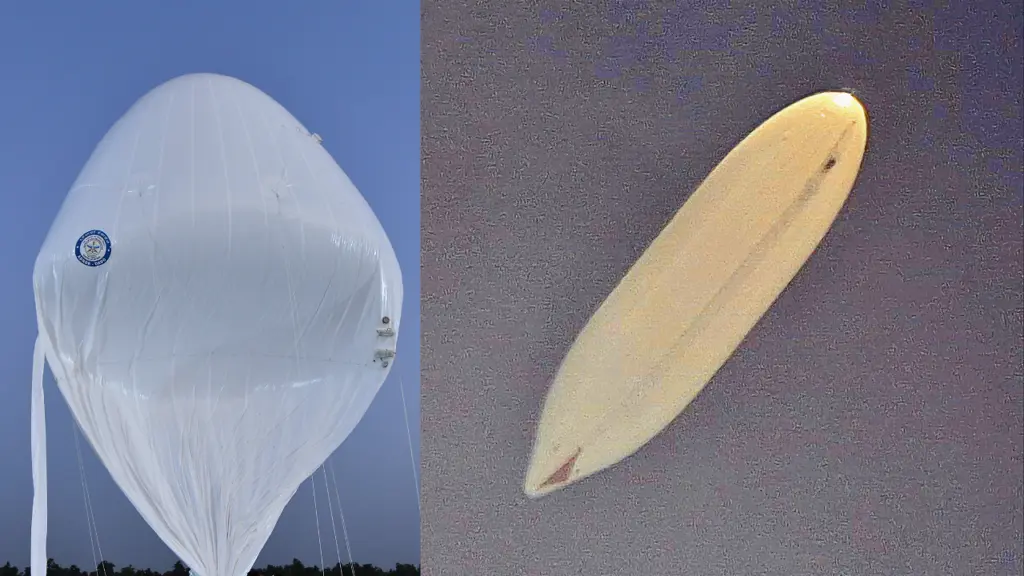
The Defence Research and Development Organisation (DRDO) has successfully flight-tested its indigenously developed High Altitude Platform System (HAPS), reaching 21 km above sea level. During the trial on Tuesday, 6 October, the airship held a stable flight at 20 km for over 30 minutes, continuously transmitting real-time video and data to a ground control station. The test was conducted in collaboration with the Indian Air Force, CEMILAC, DGCA, and the Airports Authority of India.
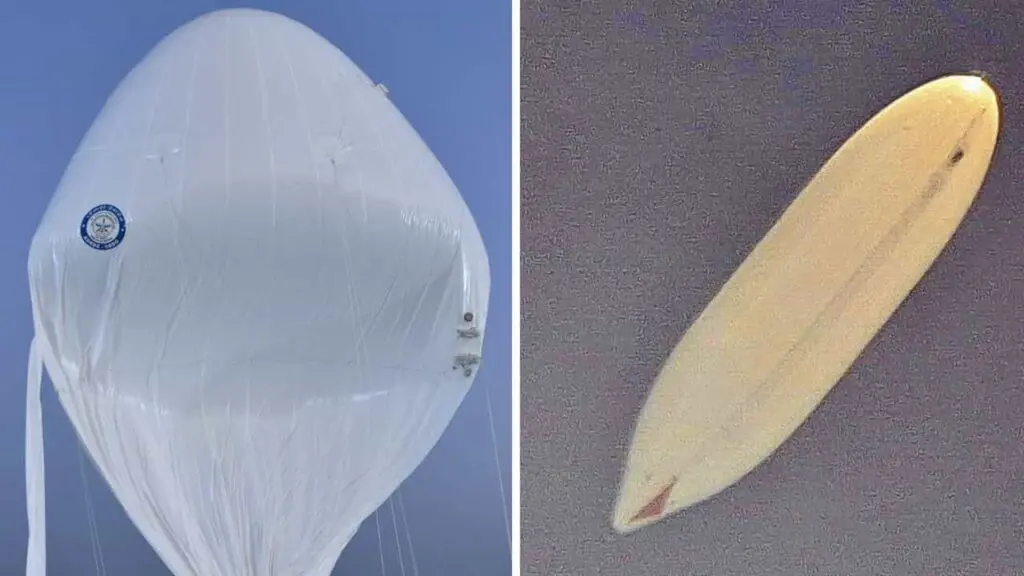
The HAPS, designed by DRDO's Agra-based Aerial Delivery Research and Development Establishment (ADRDE), is a lighter-than-air system intended for long-duration surveillance and monitoring in the stratosphere. Defence Minister Rajnath Singh congratulated DRDO and its partners, calling the test a milestone in India's journey toward self-reliance in advanced aerospace technology. Further tests are planned to refine the system based on flight data collected.
Indian Opinion Analysis
Both TV9 Hindi and Aaj Tak published near-identical factual accounts of the DRDO's HAPS test, focusing on the altitude reached, flight duration, onboard systems, and Rajnath Singh's congratulatory remarks. Neither outlet injected criticism or advocacy, and both attributed all claims to officials. The uniform coverage reflects a straight news agency style with no discernible slant. The next phase will involve further testing to improve the system using the data collected during this flight.
Coverage: 2 sources, 2 neutral
Sources (2): tv9hindi.com (neutral report), aajtak.in (neutral report)
This brief was synthesised by AI from the 2 sources linked above, so one read covers every framing they carry. Methodology and corrections.