






Now Reading: IAF needs 36-40 fighter jets annually, says Air Chief
-
01
IAF needs 36-40 fighter jets annually, says Air Chief


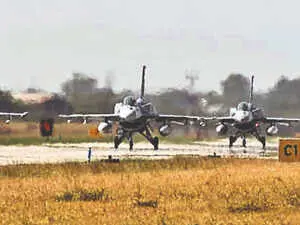
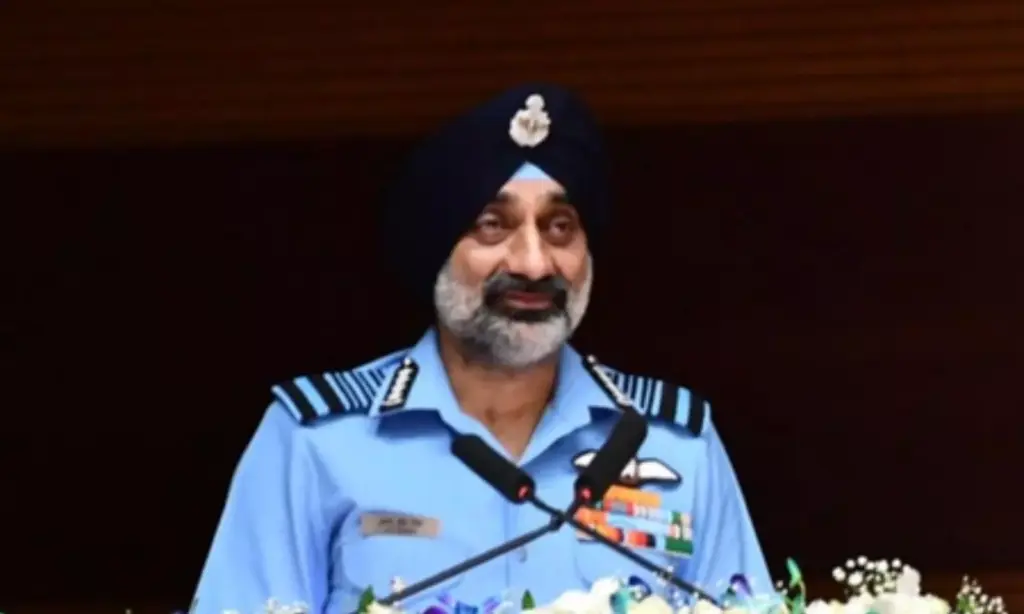
Air Chief Marshal AP Singh said on Saturday, 3 October, that the Indian Air Force needs to induct 36 to 40 fighter jets every year for the next few years to address the decline in its squadron strength. He stated that delays in induction, including of the Tejas Mark-1A, are hurting operational capability. The IAF's fighter squadron count has fallen to 29, against an authorised strength of 42.
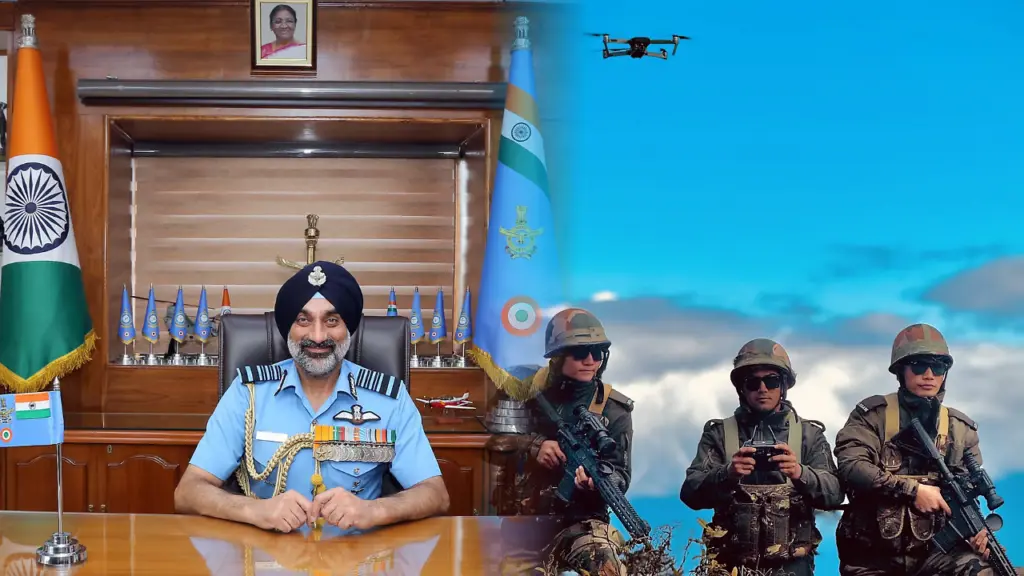
Singh said the MRFA deal for 114 Rafale jets, cleared in February 2026, could be signed within this financial year (FY2026-27) if things proceed as planned. On theatre command, he said the IAF is not opposed to it but that the operational experience from Operation Sindoor has led to a re-evaluation. He also ruled out a separate drone force, saying drones should be integrated into existing structures.
Indian Opinion Analysis
All three outlets cover Air Chief Marshal AP Singh's press conference as straight news, but each leads with a different emphasis. Tv9hindi leads with AI integration and self-reliance, framing the story around modernisation. Bhaskar leads with the Tejas delivery delay and the specific shortfall of 29 squadrons against 42 authorised. Aajtak leads with Singh's warning that technology delays equal technology denial, adopting a more urgent tone on the fighter gap. All three agree on the core facts: the need for 36-40 jets a year, the pending MRFA deal, and the re-evaluation of theatre command after Operation Sindoor. The balanced reading is that the IAF is publicly signalling both its procurement needs and its willingness to adapt, while the key uncertainty remains the signing of the MRFA contract this financial year.
Coverage: 3 sources, 3 neutral
Sources (3): tv9hindi.com (neutral report), bhaskar.com (neutral report), aajtak.in (neutral report)
This brief was synthesised by AI from the 3 sources linked above, so one read covers every framing they carry. Methodology and corrections.