







Now Reading: Drones disrupt but don’t win wars, India needs full arsenal
-
01
Drones disrupt but don’t win wars, India needs full arsenal


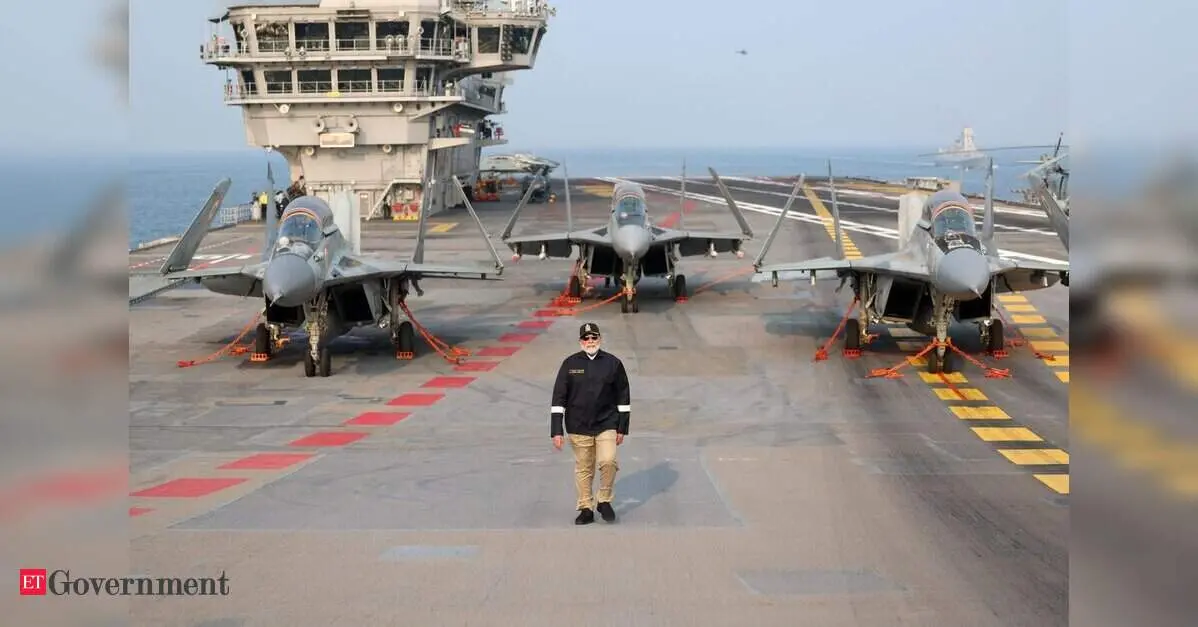
Drones have proven to be effective tactical tools in conflicts like Ukraine and Iran but are not substitutes for conventional military platforms such as fighter aircraft, warships, and missiles, according to an analysis. While unmanned systems have disrupted adversaries and inflicted significant costs, they have not achieved strategic victory, Russia continues its campaign in Ukraine despite persistent drone attacks, and Iran has not matched the comprehensive power of the US and Israel.
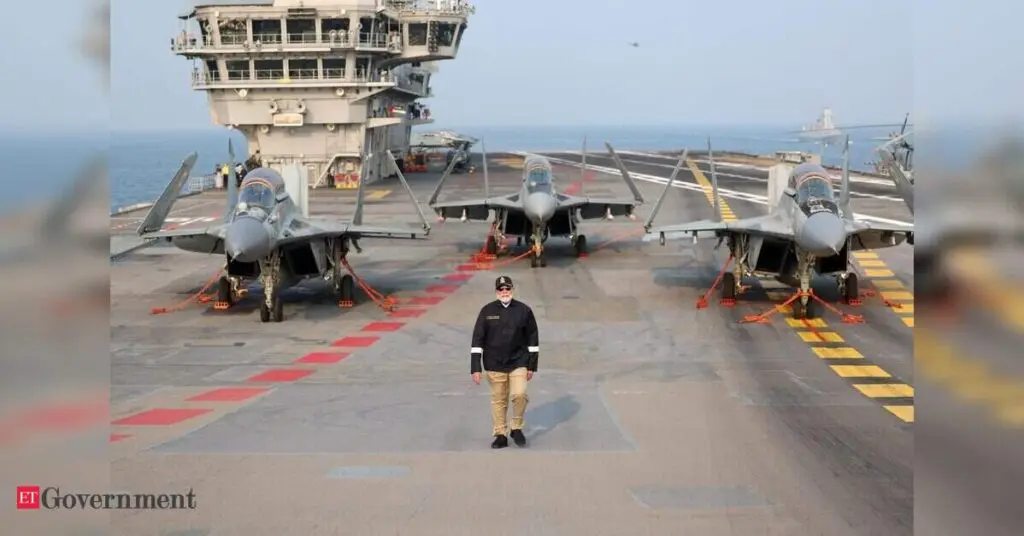
The economic argument for drones, comparing a cheap drone to a costly missile, is misleading because it ignores the costs of jamming, interception, and supporting infrastructure like communications and industrial capacity. Defenders are also evolving with electronic warfare and directed-energy weapons. India, therefore, must maintain a balanced military with both advanced conventional systems and drones.
Indian Opinion Analysis
India's military modernisation has long balanced indigenous platforms like the Tejas fighter and INS Vikrant with imported systems. The drone debate comes as New Delhi weighs a Rs 60,000-crore plan to procure 30 MQ-9B Predator drones from the US while also developing its own unmanned combat aerial vehicle (UCAV). The key question is not whether to buy drones, but how to integrate them into a force structure that must deter both a nuclear-armed Pakistan and a conventionally superior China. The next test of this approach will be the operational deployment of the indigenous Archer-NG drone and the progress of the Ghatak stealth UCAV programme.
Watch for the Defence Acquisition Council's approval timeline for the MQ-9B deal and the first flight of the Ghatak UCAV, expected in the next two years.
Source: government.economictimes.indiatimes.com
This story was synthesised by AI from the source linked above. Methodology and corrections.