












Now Reading: Air power limits tested against China as theatre debate continues
-
01
Air power limits tested against China as theatre debate continues


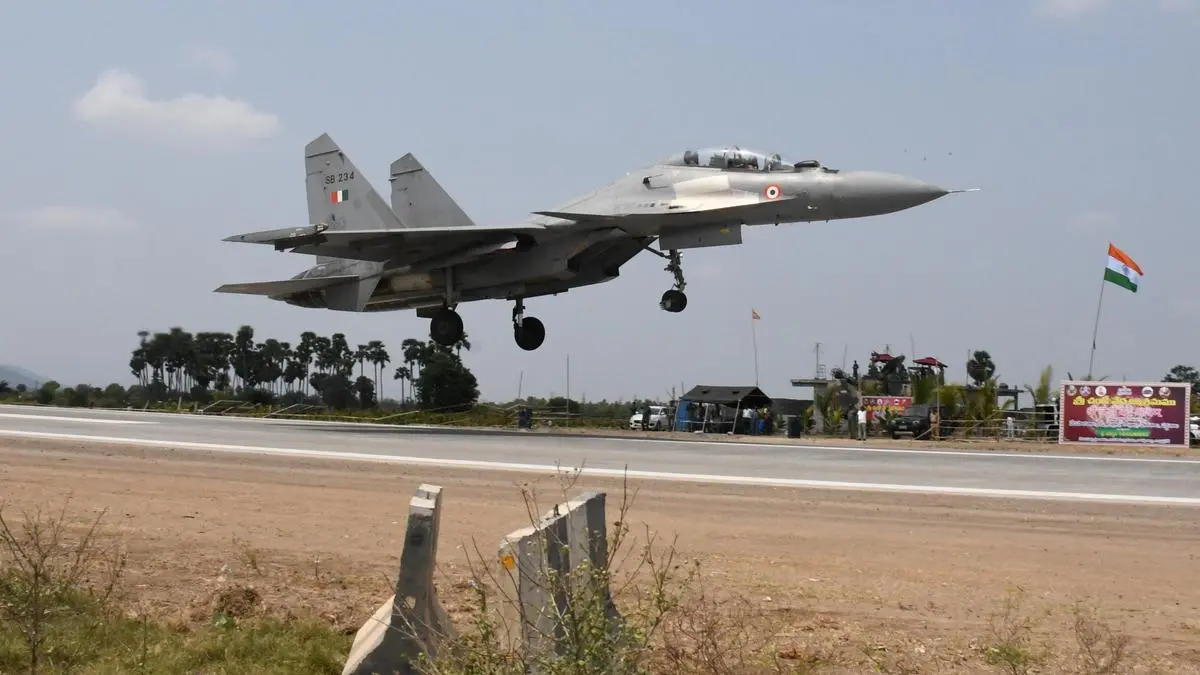
Two wars have exposed the limits of air power: Ukraine denied Russian airspace with networked defences, and allied forces in Iran achieved complete air dominance without ending the war. The same structural challenge now confronts India’s debate over theatre commands, where the Indian Air Force’s proven flexibility against Pakistan remains untested against China’s larger and more resilient air force.
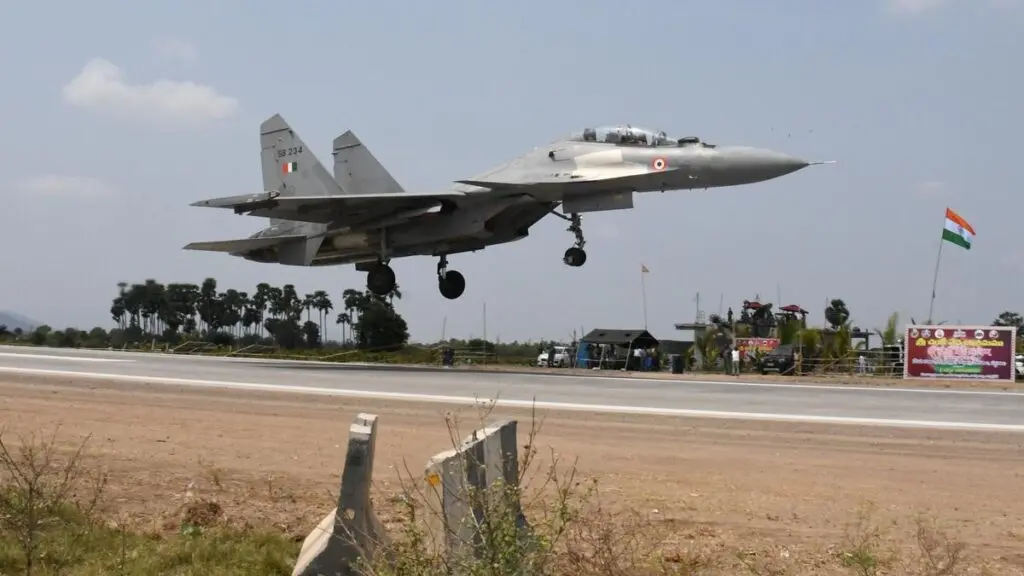
Joint integration remains a deficit exposed by Kargil in 1999 and again in the 2020 Ladakh crisis. The IAF maintains that operational flexibility works, but the terrain and the People’s Liberation Army Air Force’s 65 squadrons put India at a numerical disadvantage. The government must decide whether to retain the IAF’s existing model or adopt theatre commands that place one commander in charge of all three services.
If a conflict on the Siachen Glacier and a Chinese move into Ladakh occurred simultaneously, India’s limited pool of Rafales and S-400 systems would force a real-time choice between fronts. The debate belongs to India’s political leadership, which has the larger stake in the outcome.
Indian Opinion Analysis
The debate over theatre commands dates to the 2016 decision to create the post of Chief of Defence Staff, which became operational only in 2020. The IAF’s resistance is rooted in the fear that its assets, costly and few, would be diverted to ground-force priorities under a joint commander, as happened during the 1999 Kargil War when the IAF was kept out of planning. The three services operate under separate recruitment, career tracks and procurement cycles, so merging command structures would require changes the Ministry of Defence has not yet enforced. The next test is the proposed Air Defence Command, which the government aims to finalise by late 2025: if the IAF insists on leading it and the Army resists, the political leadership will have to break the logjam.
Source: thehindu.com
This brief was synthesised by AI from the source linked above. Methodology and corrections.