



















Now Reading: Farm ponds in Bundelkhand fail as El Nino deepens drought fears
-
01
Farm ponds in Bundelkhand fail as El Nino deepens drought fears


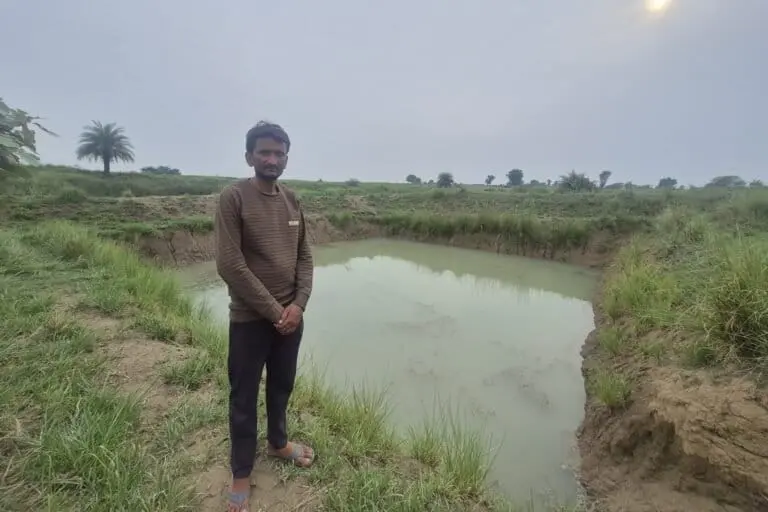
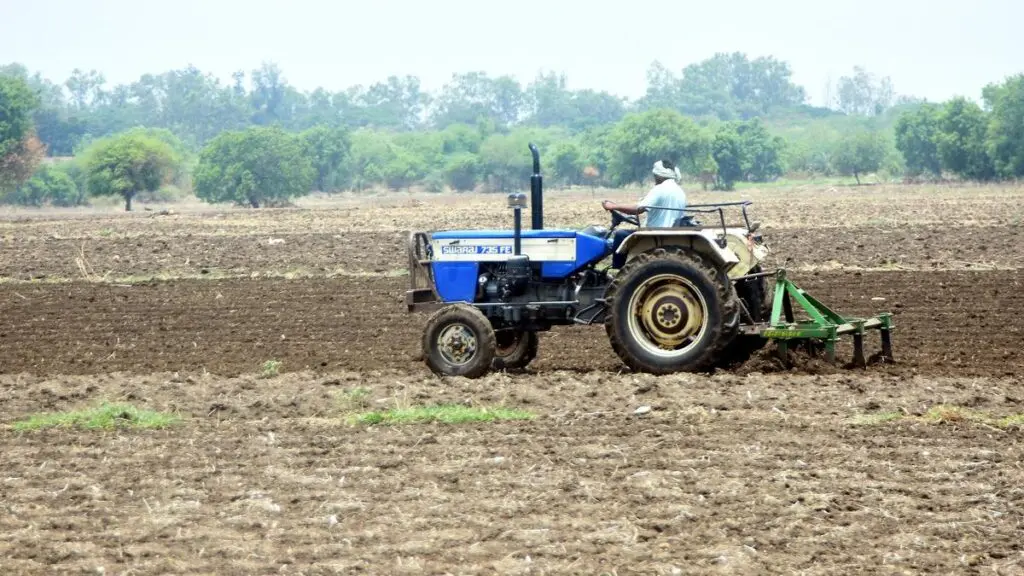
With a strengthening El Nino threatening rainfall, the government has prioritised farm ponds and water conservation. In Bundelkhand, however, many such ponds fail due to seepage, siltation, poor construction and unsuitable sites, limiting their effectiveness for irrigation.
Farmer Vipin Kumar Yadav of Banda district said his 10-foot-deep pond has barely filled to five feet this year, unlike last year when it was full and he used it to double his wheat yield. By August 1, Banda's monsoon rainfall was 26% below normal. His brother Keshav Yadav's pond broke within a year and now holds no water at all.
Experts recommend scientific site selection, crop-specific pond design, seepage control, regular desiltation and community involvement to improve outcomes. The agriculture minister has directed that ponds, check dams and other structures be repaired under rural employment schemes.
Indian Opinion Analysis
Bundelkhand's drought frequency has tripled since 1968, yet the region's farm ponds often fail within a year due to poor construction and lack of maintenance. The Union agriculture ministry's push for repair work under the VB-G RAM G Act addresses only the infrastructure, not the underlying need for hydrogeological surveys to identify sites where water will actually retain. The real test will come this October-December: if El Nino strengthens to very strong as the NOAA projects, even well-built ponds may not capture enough runoff. The next assessment of pond performance under the current scheme is due when the monsoon ends in September.
Source: india.mongabay.com
This brief was synthesised by AI from the source linked above. Methodology and corrections.