
















Now Reading: Bundelkhand farmers show how silt can boost natural farming
-
01
Bundelkhand farmers show how silt can boost natural farming


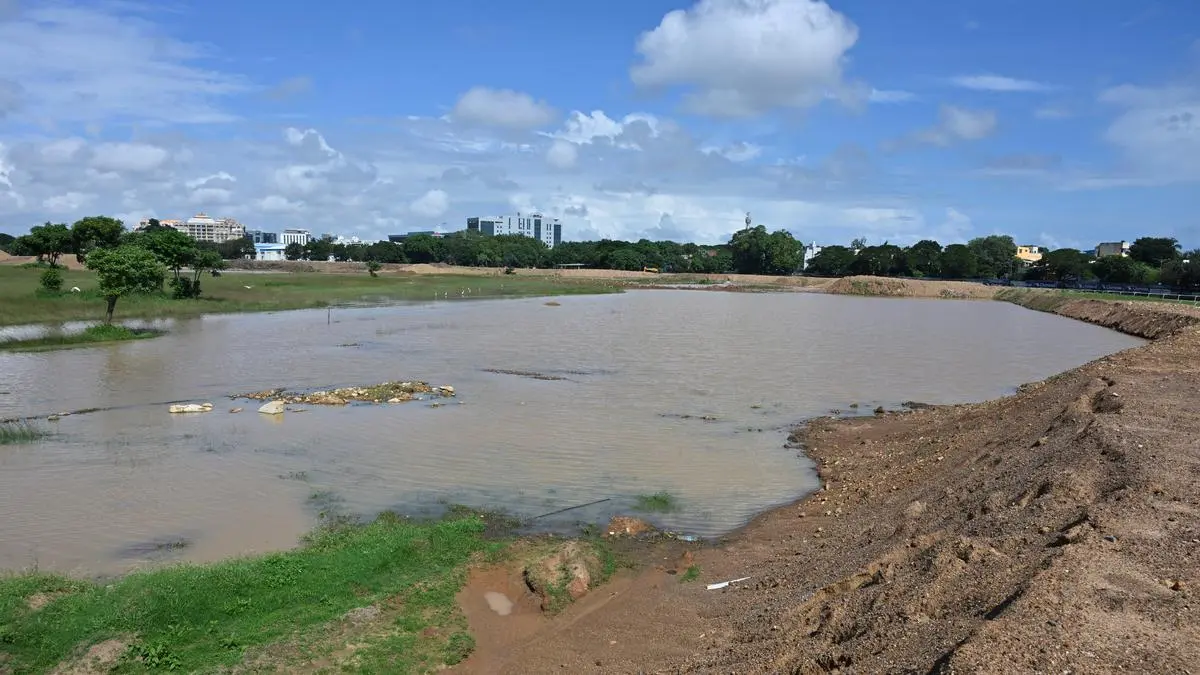
A NITI Aayog project in Bundelkhand has enabled 1,700 farmers to transport silt from rejuvenated waterbodies to their fields, improving soil quality and supporting a shift to natural farming. The silt, called "black gold", is used alongside bio-inputs like Jeevamrut and Beejamrut made by women-led centres, along with indigenous seeds from local seed banks.

The experiment, conducted over three years, shows how waterbody restoration and sustainable agriculture can work together. India has over 24 lakh waterbodies, many neglected, while farm input subsidies are projected to cost Rs 3.5 lakh crore this year. The model reduces public desilting costs and strengthens local enterprises and climate resilience.
The approach suggests linking Mission Amrit Sarovar and the National Mission on Natural Farming could be more effective when combined. Farmers voluntarily transport silt to improve fields, cutting recurring public costs. The authors argue that water security and sustainable farming should not be planned in separate silos.
Indian Opinion Analysis
India's 24 lakh waterbodies are mostly village ponds and tanks under state or community control, not central reservoirs. The Bundelkhand model shows that silt, typically a disposal problem, can become a farm input, reducing the Rs 3.5 lakh crore subsidy burden for chemical fertilisers. The key next step is whether NITI Aayog can scale this from 1,700 farmers to national programmes without creating new bureaucracies. Watch for state-level convergence guidelines between water and agriculture departments in the upcoming budget cycle.
Source: thehindubusinessline.com
This story was synthesised by AI from the source linked above. Methodology and corrections.