










Now Reading: FD, RD interest taxed: 6% return falls to 4.1% for top bracket
-
01
FD, RD interest taxed: 6% return falls to 4.1% for top bracket


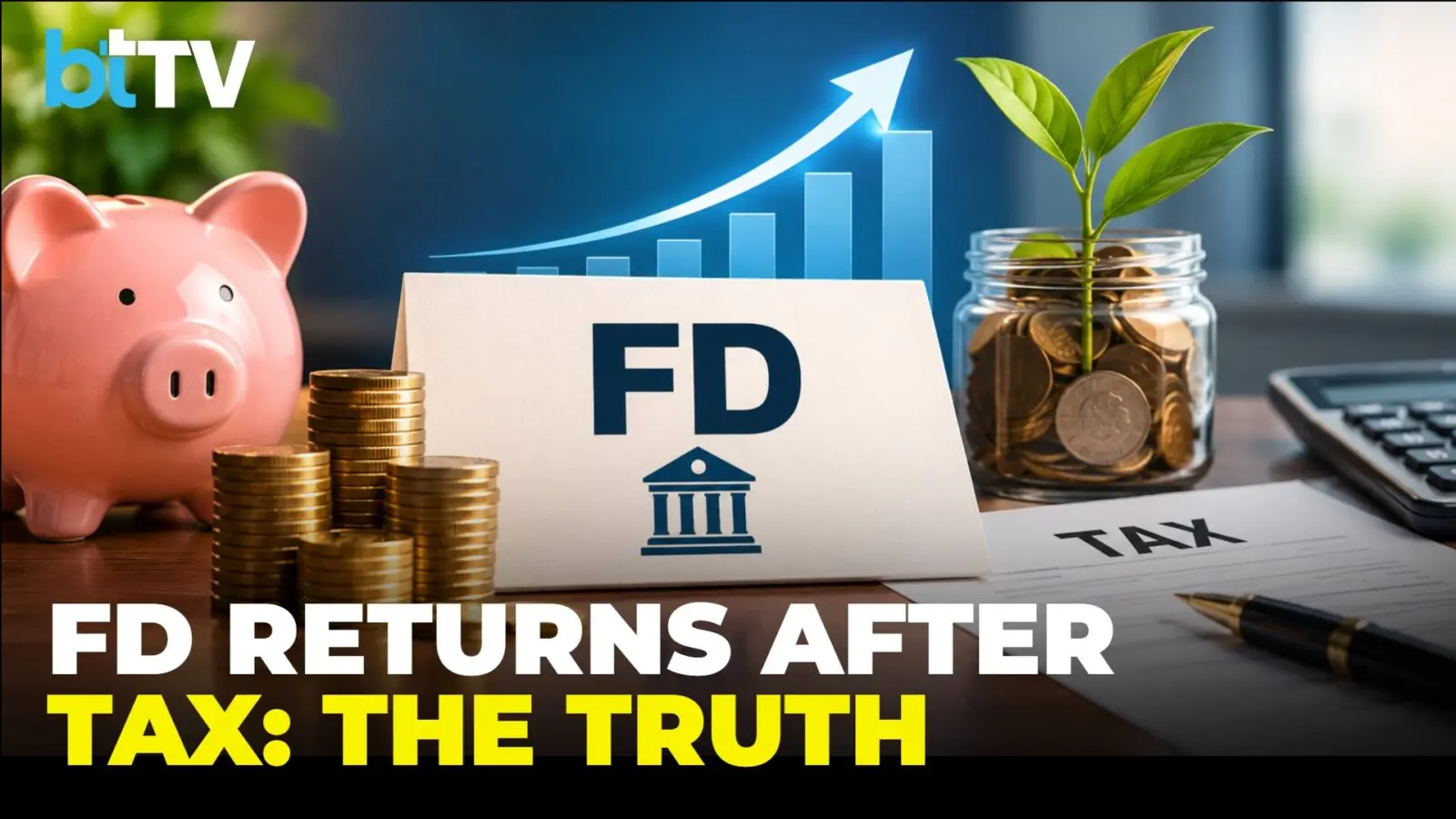
Post-tax returns from fixed deposits, recurring deposits and savings accounts may fall well below inflation for taxpayers in the 30% income slab, according to tax expert Gauri Chadha. A 6% FD return…
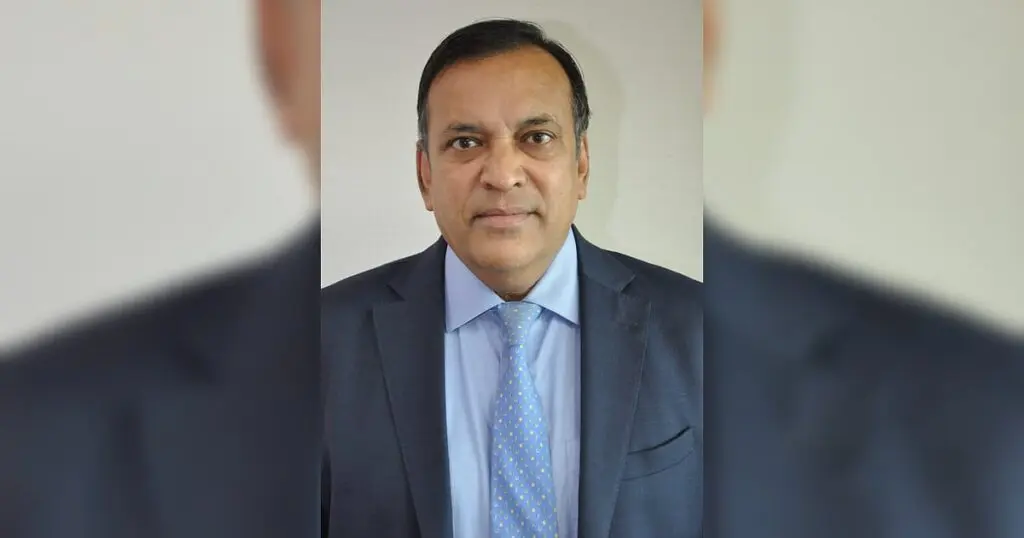
Post-tax returns from fixed deposits, recurring deposits and savings accounts may fall well below inflation for taxpayers in the 30% income slab, according to tax expert Gauri Chadha. A 6% FD return drops to an effective 4.1% after tax, eroding real purchasing power over time.
Gauri Chadha, Tax Expert, noted that while these products keep emergency funds safe and liquid, they should not be treated as long-term investments. The tax treatment of interest, added to total income and taxed at the slab rate, makes them unsuitable for wealth building.
Savers are advised to maintain emergency corpus in these liquid instruments but to look at alternatives such as equity mutual funds or debt funds for long-term growth. Understanding the gap between saving money and building wealth is key to retirement planning.
Indian Opinion Analysis
The tax treatment of passive savings products has been a persistent drag on real returns. Under the Income Tax Act, 1961, interest from FDs, RDs and savings accounts is added to the depositor's total income and taxed at the applicable slab rate, with no indexation benefit. For a salaried individual in the top bracket, this erodes more than a third of the nominal return, as shown. The RBI's latest monetary policy committee meeting held rates at 6.50%, but with inflation at 5.1% in August, real post-tax yields on standard FDs remain negative for most taxpayers. The alternative products, equity-oriented mutual funds, debt funds, and PPF, carry different tax regimes, with long-term capital gains on equity funds taxed at 10% above Rs 1 lakh. The Budget 2024 introduced a simplified tax regime that may shift how individuals weigh these instruments.
Source: businesstoday.in
This brief was synthesised by AI from the source linked above.